
Listen to this podcast in the app for free: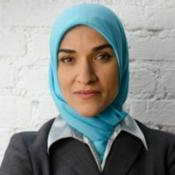 Download for free in the App Store
radio.net
Sleep timer
Save favourites
36 episodes
Moments with The Messenger | Episode 4: Beloved: The Women Who Raised the Prophet ﷺ
22/10/2026 | 45 mins.Beloved: The Women Who Raised the Prophet ﷺSeerah and Sisterhood: Love, Leadership, and GriefIn this gathering, we explore the women who nurtured the Prophet Muhammad ﷺ and the lasting place they held in his heart. Their stories invite us to reflect on caregiving, belonging, leadership, and loss—and to deepen our love for the Messenger ﷺ by getting to know him.Our purpose is both Seerah and sisterhood: learning his story, applying its lessons, and building a community where women know and support one another.In This SessionThe women who nurtured himWe meet his mother, Aminah bint Wahb; his early wet nurse, Thuwaybah; his devoted caregiver, Barakah, known as Umm Ayman; and his wet nurse, Halimah al-Saʿdiyyah. Their care reminds us that the women who raise, nourish, and protect children have a lasting place in our collective story.Milk kinship and the meaning of familyThe discussion introduces milk kinship in Islam and the significance of bonds formed through nursing. These relationships carry enduring family connections and marriage restrictions, giving nursing a meaning far beyond a temporary arrangement of care.Umm Ayman: a lifetime of love and serviceUmm Ayman cared for the Prophet ﷺ from childhood, accompanied him through the loss of his mother, and remained beloved to him throughout his life. Her migration, service, and grief at the ending of revelation reveal a woman of profound faith whose story deserves to be remembered.Zayd and Usamah: belonging, dignity, and leadershipThe stories of Zayd ibn Harithah and his son, Usamah ibn Zayd, show how the Prophet ﷺ put human dignity into practice. His appointment of the young Usamah to lead an expedition challenged assumptions about age, ancestry, and social status.Accountability with a path forwardUsamah’s story also brings together two powerful moments: the Prophet’s ﷺ strong correction of a grave mistake in battle and his later decision to entrust him with leadership. The lesson for parents, teachers, and community leaders is clear: hold young people accountable while allowing them to learn, grow, and earn trust.Halimah and unexpected barakahThe session recounts the Seerah narrative of Halimah welcoming an orphan whom others had passed over, and the blessings her household experienced through his presence. Her story invites us to reconsider where we expect goodness to come from—and whom we might overlook.Aminah’s love and the pain of letting goAminah’s decision to send her infant into another woman’s care opens a reflection on the difficult choices mothers make for their children’s well-being. The discussion follows his early childhood, the account of the opening of his chest, and his return to his mother.A mother’s death and grief across a lifetimeThe gathering closes with Aminah’s death when the Prophet ﷺ was six and his later tears at her grave. His enduring love reminds us that spiritual strength does not erase sorrow.Lessons to Carry With Us* Knowing the Prophet ﷺ deepens our love for him. Seerah invites us to internalize his example and bring it into our daily lives.* Caregiving deserves recognition. The women who nurtured him remain part of the story we tell and honor.* Equality becomes meaningful through decisions. Who we trust, appoint, and welcome reveals the values we live by.* A serious mistake need not define a whole life. Correction and opportunities for growth belong together.* Grief has no fixed timeline. Tears can coexist with patience, faith, and trust in Allah.* Sisterhood requires mutual care. We become a community when we begin helping one another.Life Lessons from my trip to Sudan.
12/10/2026 | 50 mins.Life Lessons from my trip to Sudan
A Conversation between Dalia Mogahed and Imam Mohammed Magid
When my mother passed away in May, Allah yerhamha, my sisters and I wanted to establish a sadaqa jariya for her: something that would continue to benefit others in her name.
We chose a maternity ward in Sudan run by the Sudanese American Physicians Association (SAPA). Our family’s deep friendships with Sudanese brothers and sisters made the choice personal. The need made it urgent.
Sudan is the world’s largest displacement crisis. More than 11 million people remain displaced, and more than 33 million need humanitarian assistance, including 1.1 million pregnant women. (unhcr.org, unfpa.org)
When the opportunity presented itself to join a SAPA delegation to visit the work personally, I jumped at the chance. The experience was transformational. I talk about my experience with Imam Mohamed Magid in this video.
If you would like to support maternal and newborn care in our mother’s memory: https://LaunchGood.com/ForOurMotherMoments with The Messenger | Episode 3: The Birth That Changed the World
24/08/2026 | 38 mins.Before the birth of the Prophet Muhammad ﷺ, Makkah was a society surrounded by spiritual darkness. Yet Allah was already preparing the way for what was to come.In Episode 3 of *Moments with the Messenger*, we journey through the events leading up to the birth of Rasulullah ﷺ, from the rediscovery of Zamzam and the story of Abdul Muttalib to the Year of the Elephant and Allah’s protection of the Ka’bah.We then turn to the birth of the Prophet ﷺ, his family, his orphanhood, and the circumstances Allah placed around him from the very beginning. A life that would come to bring light, mercy and guidance to the world.This is the story of how Makkah was being prepared for the arrival of the Messenger of Allah ﷺ.Moments with the Messenger | Episode 3.Moments with the Messenger | Episode 2
19/07/2026 | 45 mins.Episode 2: The Two Gifts: Hajar, Zamzam and the Founding of Mecca
Having told the story of the Hijra by starting in the middle, DaliaMogahed now goes back to the beginning—to the great-grandfather many generations removed of the Prophet ﷺ, Sayyidina Ibrahim (as). Born into an idolatrous society to a father who manufactured idols, Ibrahim's fitra was clear even as a child, and his story becomes the origin that explains how we arrived at the Hijra in the first place.
This episode follows Ibrahim's unshakable conviction through his hardest tests: silencing a tyrant king with a single argument about the sun, being stripped and catapulted into an inferno that Allah commanded to become "cool and peaceful," and the surrender of walking away from his wife and infant son in a barren valley without knowing how Allah's aid would come. Alongside him stands Hajar—the Egyptian servant gifted in a Pharaoh's chamber who became the mother in whose footsteps millions still walk—whose running between Safa and Marwa Dalia unpacks as one of the most profound acts of worship we perform: striving sourced in tawakkul, effort that never causes the outcome but always precedes it.
From the gushing of Zamzam and the arrival of the Jurhum, to the rebuilding of the Kaaba by father and son, to the dua that Muhammad ﷺ would one day answer, the story finally turns dark—how a single dictator, Amr ibn Luhai, brought idolatry and its accompanying corruptions into a peninsula that had been founded on Tawhid, setting the stage for the world into which the Prophet ﷺ would be born.
Along the way: never judge a person by their family, surrender doesn't mean you stop making dua, and the danger of uncritical followership of anyone who isn't a prophet.Moments with the Messenger | Episode 1
19/06/2026 | 53 mins.Episode 1: The Hijra: The Moment That Stopped and Started Time
Why do Muslims measure time from the Hijra, not the Prophet's birth, not the first revelation, but the night he left everything familiar to step into the unknown? In this episode, Dalia Mogahed takes an unconventional approach to the Seerah: she begins in the middle, with the migration itself, and the treacherous gathering of Quraysh leaders plotting to end the life of a man known never to lie, steal, or cheat.
What follows is the story of that escape, Ali (r) sleeping in the Prophet's bed beneath the green shawl, the trusts returned to the very men planning the assassination, the stillness in the cave of Thawr, the hundred-camel bounty that drew an entire peninsula, and the encounters along the road: Suraqa and the bangles of Kisra, the milk that flowed from a barren goat, Buraydah's cavalry, and two highway bandits the Prophet ﷺ refused to write off.
Along the way, Dalia draws out the lessons that still speak to us today, that our tormentors are not our teachers, that a true leader is the last to drink, and that no one is ever too far gone to be lifted up.
More Islam podcasts
Trending Islam podcasts

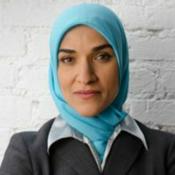
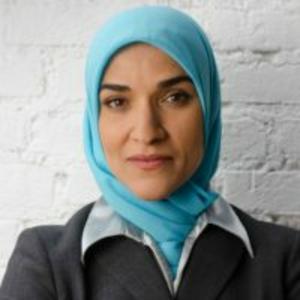
About Dalia Mogahed
Dalia Mogahed is a renowned leader in the field of American Muslim research, with extensive experience in analyzing global Muslim communities. She co-authored the book "Who Speaks for Islam?" with John L. Esposito and served on President Obama's Advisory Council on Faith-Based and Neighborhood Partnerships. Dalia has testified before the U.S. Senate Committee on Foreign Relations, delivered a notable 2016 TED talk, and is a respected expert commentator in international media and forums. She also heads Mogahed Consulting as CEO.
Podcast websiteListen to Dalia Mogahed, فاهم and many other podcasts from around the world with the radio.net app
Get the free radio.net app
- Stations and podcasts to bookmark
- Stream via Wi-Fi or Bluetooth
- Supports Carplay & Android Auto
- Many other app features
Get the free radio.net app
- Stations and podcasts to bookmark
- Stream via Wi-Fi or Bluetooth
- Supports Carplay & Android Auto
- Many other app features

Dalia Mogahed
Scan code,
download the app,
start listening.
download the app,
start listening.
 New Zealand

