
Listen to this podcast in the app for free: Download for free in the App Store
radio.net
Sleep timer
Save favourites
1000 episodes

New Mexico's Lawsuit Filed Against Epstein Executors Darren Indyke And Richard Kahn (Part 7) (10/24/26)
24/10/2026 | 11 mins.New Mexico Attorney General Raúl Torrez accused Darren Indyke and Richard Kahn of being active financial and administrative participants in what the complaint called the “Epstein Enterprise,” rather than merely Jeffrey Epstein’s lawyer and accountant. The state alleged that the enterprise operated from at least 1997 until Epstein’s death in 2019 and used properties including Zorro Ranch to recruit, transport, isolate, sexually abuse and traffic girls and young women. According to the complaint, Indyke and Kahn managed money and corporate entities that helped keep the operation functioning, including making large amounts of cash available, paying expenses for young women, managing Zorro-related companies and handling transactions that the state said helped conceal Epstein’s activities. The complaint alleged that more than $6 million in cash was withdrawn from Epstein accounts between 2002 and 2013 and that Indyke continued withdrawing more than $200,000 annually from one account even after Epstein became a registered sex offender. New Mexico further alleged that Indyke received more than $16 million from Epstein-related entities between 2011 and 2019, along with an unrepaid $7 million loan and other benefits, while Kahn received more than $10 million and millions more through his company. The state alleged that both men knew, or at minimum recklessly disregarded, that the money they administered was facilitating Epstein’s trafficking and abuse, including conduct at Zorro Ranch.
The lawsuit went considerably further than simply seeking damages from Epstein’s estate. New Mexico brought claims under the federal Trafficking Victims Protection Act and the New Mexico Racketeering Act, accusing Indyke and Kahn of participating in racketeering predicates involving kidnapping, criminal solicitation and conspiracy, while also seeking restitution for unjust enrichment. The complaint cited multiple Jane Does who allegedly were transported to Zorro Ranch through deception, intimidation or coercion and sexually abused there, and it alleged that Indyke and Kahn helped finance the system that recruited and maintained access to those victims. The financial stakes were enormous because both men now serve as co-executors of Epstein’s estate and trustees and beneficiaries of the 1953 Trust; the complaint said Indyke could receive up to $50 million and Kahn up to $25 million from an estate still valued at more than $107 million. New Mexico asked the court to block estate distributions while the case proceeds, force the defendants to disgorge allegedly ill-gotten gains, award restitution, compensatory and punitive damages, potentially triple racketeering damages, and direct assets toward people harmed by the alleged enterprise. These remain civil allegations that Indyke and Kahn will have the opportunity to contest, but the filing represents one of the most aggressive attempts yet to hold Epstein’s financial inner circle legally responsible for allegedly enabling the machinery around his trafficking operation.
to contact me:
bobbycapucci@protonmail.com
source:
gov.uscourts.nmd.576774.1.0_1.pdfNew Mexico's Lawsuit Filed Against Epstein Executors Darren Indyke And Richard Kahn (Part 6) (10/24/26)
24/10/2026 | 10 mins.New Mexico Attorney General Raúl Torrez accused Darren Indyke and Richard Kahn of being active financial and administrative participants in what the complaint called the “Epstein Enterprise,” rather than merely Jeffrey Epstein’s lawyer and accountant. The state alleged that the enterprise operated from at least 1997 until Epstein’s death in 2019 and used properties including Zorro Ranch to recruit, transport, isolate, sexually abuse and traffic girls and young women. According to the complaint, Indyke and Kahn managed money and corporate entities that helped keep the operation functioning, including making large amounts of cash available, paying expenses for young women, managing Zorro-related companies and handling transactions that the state said helped conceal Epstein’s activities. The complaint alleged that more than $6 million in cash was withdrawn from Epstein accounts between 2002 and 2013 and that Indyke continued withdrawing more than $200,000 annually from one account even after Epstein became a registered sex offender. New Mexico further alleged that Indyke received more than $16 million from Epstein-related entities between 2011 and 2019, along with an unrepaid $7 million loan and other benefits, while Kahn received more than $10 million and millions more through his company. The state alleged that both men knew, or at minimum recklessly disregarded, that the money they administered was facilitating Epstein’s trafficking and abuse, including conduct at Zorro Ranch.
The lawsuit went considerably further than simply seeking damages from Epstein’s estate. New Mexico brought claims under the federal Trafficking Victims Protection Act and the New Mexico Racketeering Act, accusing Indyke and Kahn of participating in racketeering predicates involving kidnapping, criminal solicitation and conspiracy, while also seeking restitution for unjust enrichment. The complaint cited multiple Jane Does who allegedly were transported to Zorro Ranch through deception, intimidation or coercion and sexually abused there, and it alleged that Indyke and Kahn helped finance the system that recruited and maintained access to those victims. The financial stakes were enormous because both men now serve as co-executors of Epstein’s estate and trustees and beneficiaries of the 1953 Trust; the complaint said Indyke could receive up to $50 million and Kahn up to $25 million from an estate still valued at more than $107 million. New Mexico asked the court to block estate distributions while the case proceeds, force the defendants to disgorge allegedly ill-gotten gains, award restitution, compensatory and punitive damages, potentially triple racketeering damages, and direct assets toward people harmed by the alleged enterprise. These remain civil allegations that Indyke and Kahn will have the opportunity to contest, but the filing represents one of the most aggressive attempts yet to hold Epstein’s financial inner circle legally responsible for allegedly enabling the machinery around his trafficking operation.
to contact me:
bobbycapucci@protonmail.com
source:
gov.uscourts.nmd.576774.1.0_1.pdfMega Edition: Jeffrey Epstein And The Crimes That Were Ignored (10/24/26)
24/10/2026 | 54 mins.For years, the Jeffrey Epstein case was treated as something that could be contained, compartmentalized and pushed to the margins despite the scale of what was already known. Epstein received an extraordinary non-prosecution agreement in 2007, pleaded to state charges in 2008, served a notoriously lenient sentence with work release, and then returned to a life surrounded by wealth, influence and powerful connections. There were journalists, survivors and attorneys who kept pressing the story, but the broader political and media establishment never treated Epstein’s network with the urgency it deserved. Even after his 2019 arrest exposed the failures of the earlier deal, much of the attention remained episodic, focused on sensational names and individual scandals rather than sustained accountability for the institutions, financiers, prosecutors and associates who had enabled him. For years, there was no serious bipartisan movement to tear open the full record, no lasting political cost for ignoring the case and little appetite among powerful people to ask questions that might lead back into their own circles.
That changed once Epstein became politically useful. As his name became a potent campaign weapon and a way to attack opponents, politicians who had shown little interest in the case suddenly discovered an appetite for transparency, document releases, hearings and public outrage. The problem was not that renewed scrutiny was unwelcome; it was that so much of it arrived only after Epstein became valuable as partisan ammunition. The survivors had been asking for answers long before candidates began invoking Epstein from campaign stages, and the documentary record had been sitting there long before politicians decided there was electoral advantage in demanding disclosure. That history matters because accountability cannot be credible if Epstein is treated as a prop when convenient and forgotten when the cameras move on. The real test comes after the speeches and campaign ads are over, when the same people who promised transparency are expected to subpoena records, confront institutions, follow the money and pursue the names and evidence wherever they lead.
to contact me:
bobbycapucci@protonmail.comMega Edition: Bill Clinton And The Epstein Related Congressional Transcript (Part 10-12) (10/24/26)
24/10/2026 | 50 mins.Bill Clinton’s February 27, 2026 testimony before the House Oversight Committee finally forced him to answer under oath about a relationship with Jeffrey Epstein that had generated questions for decades, but the proceeding hardly delivered the kind of exhaustive accounting the public had been promised. Clinton insisted that he had “done nothing wrong,” knew nothing about Epstein’s abuse and never witnessed anything that caused him concern, effectively asking lawmakers to accept that his repeated contact with Epstein, travel aboard Epstein’s aircraft and proximity to Ghislaine Maxwell never exposed him to anything suspicious. That explanation deserved considerably more scrutiny than it received. Clinton had not volunteered for the deposition either. He resisted the committee’s subpoena, failed to appear for a scheduled January 13 deposition and only agreed to testify after a bipartisan contempt resolution advanced against him. Yet when he finally appeared, even some lawmakers who had spent months demanding answers quickly described him as cooperative and candid. The central problem remained unresolved: Clinton’s defense depended heavily on what he claimed not to have seen, not to have known and not to remember, while the documentary record established that his association with Epstein was substantial enough to demand far more than a polite acceptance of those denials.
The congressional process itself also exposed the weaknesses that have plagued nearly every official examination of Epstein’s network. Rather than methodically reconstructing Clinton’s relationship with Epstein against flight records, photographs, visitor records, witness accounts and contemporaneous communications, the deposition became entangled in the same partisan warfare that repeatedly consumes the Epstein investigation. Republicans emphasized Clinton while Democrats complained that Donald Trump had not been subpoenaed, and Chairman James Comer immediately used Clinton’s answers to make political claims about Trump rather than keeping the focus exclusively on Epstein and the unanswered questions surrounding Clinton himself. Clinton’s testimony therefore produced another familiar outcome: a powerful person denied knowledge of Epstein’s crimes, lawmakers divided themselves into political camps, and very little was done to independently test how plausible those denials actually were. Clinton’s appearance was historically significant because Congress compelled a former president to testify, but significance should not be confused with accountability. After years of questions about one of the most prominent men in Epstein’s orbit, the public was still largely left with Clinton’s version of events and a congressional process that appeared more interested in scoring partisan points than aggressively determining whether that version could withstand sustained scrutiny.
to contact me:
bobbycapucci@protonmail.comMega Edition: Bill Clinton And The Epstein Related Congressional Transcript (Part 7-9) (10/24/26)
24/10/2026 | 43 mins.Bill Clinton’s February 27, 2026 testimony before the House Oversight Committee finally forced him to answer under oath about a relationship with Jeffrey Epstein that had generated questions for decades, but the proceeding hardly delivered the kind of exhaustive accounting the public had been promised. Clinton insisted that he had “done nothing wrong,” knew nothing about Epstein’s abuse and never witnessed anything that caused him concern, effectively asking lawmakers to accept that his repeated contact with Epstein, travel aboard Epstein’s aircraft and proximity to Ghislaine Maxwell never exposed him to anything suspicious. That explanation deserved considerably more scrutiny than it received. Clinton had not volunteered for the deposition either. He resisted the committee’s subpoena, failed to appear for a scheduled January 13 deposition and only agreed to testify after a bipartisan contempt resolution advanced against him. Yet when he finally appeared, even some lawmakers who had spent months demanding answers quickly described him as cooperative and candid. The central problem remained unresolved: Clinton’s defense depended heavily on what he claimed not to have seen, not to have known and not to remember, while the documentary record established that his association with Epstein was substantial enough to demand far more than a polite acceptance of those denials.
The congressional process itself also exposed the weaknesses that have plagued nearly every official examination of Epstein’s network. Rather than methodically reconstructing Clinton’s relationship with Epstein against flight records, photographs, visitor records, witness accounts and contemporaneous communications, the deposition became entangled in the same partisan warfare that repeatedly consumes the Epstein investigation. Republicans emphasized Clinton while Democrats complained that Donald Trump had not been subpoenaed, and Chairman James Comer immediately used Clinton’s answers to make political claims about Trump rather than keeping the focus exclusively on Epstein and the unanswered questions surrounding Clinton himself. Clinton’s testimony therefore produced another familiar outcome: a powerful person denied knowledge of Epstein’s crimes, lawmakers divided themselves into political camps, and very little was done to independently test how plausible those denials actually were. Clinton’s appearance was historically significant because Congress compelled a former president to testify, but significance should not be confused with accountability. After years of questions about one of the most prominent men in Epstein’s orbit, the public was still largely left with Clinton’s version of events and a congressional process that appeared more interested in scoring partisan points than aggressively determining whether that version could withstand sustained scrutiny.
to contact me:
bobbycapucci@protonmail.com
More Daily News podcasts










Trending Daily News podcasts
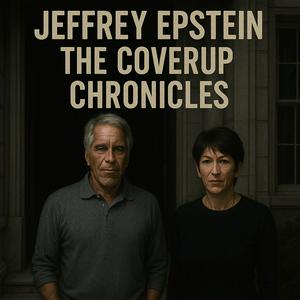
About Jeffrey Epstein: The Coverup Chronicles
Jeffrey Epstein: The Coverup Chronicles is a podcast dedicated to examining not just who Epstein was and what he did, but how so many people and institutions worked—then and now—to keep it all hidden. This series cuts past the headlines and digs into the documentation: court filings, deposition transcripts, plea deals, sealed exhibits, and the bureaucratic paper trail that still tells the real story. Our focus isn’t on speculation or recycled outrage. It’s on facts—and the deliberate efforts to keep those facts out of public view.Each episode will feature in-depth analysis of newly surfaced records and underreported legal developments, alongside expert commentary that connects them to the broader machinery of power that shielded Epstein for decades. We’ll revisit the timeline from his first arrests through his 2008 plea deal, and into the re-investigations that followed his 2019 death in federal custody. And we won’t stop there—we’ll look closely at the current state of affairs: the closed probes, the lingering co-conspirators, the civil suits, and the glaring gaps in accountability.What makes The Coverup Chronicles different is that we’re not here to sensationalize the story—we’re here to document the ongoing concealment of it. This isn’t just about reliving Epstein’s crimes. It’s about following the networks that enabled them, protected him, and continue to obscure the truth. If you want an honest look at what’s still being hidden—by whom, and why—this is the podcast that pulls those threads.And I should know—I’ve spent over six years uncovering every dark corner of this case. My name is Bobby Capucci, and I’ve dedicated those same six years exposing the truth about Epstein and the powerful figures who enabled him. From on-the-ground investigations at Epstein’s Zorro Ranch, where I spoke with insiders, to national appearances on Tucker Carlson, I’ve followed this story farther than most are willing to go.Who helped Epstein build his empire? Who protected him? And who is still pulling the strings? The answers lie in the shadows of Jeffrey Epstein's criminal empire. .This is the truth they don’t want you to hear. And I’m here to make sure you do.
Podcast websiteListen to Jeffrey Epstein: The Coverup Chronicles, FT News Briefing and many other podcasts from around the world with the radio.net app
Get the free radio.net app
- Stations and podcasts to bookmark
- Stream via Wi-Fi or Bluetooth
- Supports Carplay & Android Auto
- Many other app features
Get the free radio.net app
- Stations and podcasts to bookmark
- Stream via Wi-Fi or Bluetooth
- Supports Carplay & Android Auto
- Many other app features

Jeffrey Epstein: The Coverup Chronicles
Scan code,
download the app,
start listening.
download the app,
start listening.
Jeffrey Epstein: The Coverup Chronicles: Podcasts in Family
 New Zealand

