
Listen to this podcast in the app for free: Download for free in the App Store
radio.net
Sleep timer
Save favourites
63 episodes
Introducing: "How To Make Films and Influence People" - Fletch
01/11/2026 | 54 mins.Send us Fan Mail
Peter and Andrew dive into Michael Ritchie’s 1985 comedy classic Fletch, exploring how it balances a razor-sharp, well-crafted mystery with Chevy Chase’s signature deadpan wit and disguise-heavy physical comedy. They examine why mystery-comedies so rarely succeed, how the film keeps its jokes organic to the investigative narrative rather than detouring into sketches, Chase’s peak-era performance, and the inexplicable plot choice to feature Provo, Utah, as an international airline hub.
In their remake segment, the hosts imagine how to retool the detective comedy. Could it work as a Disney Channel Original Movie about a high school newspaper reporter uncovering an ACT cheating ring, or an undercover teen interloper visiting out-of-town cousins for homecoming? Who could possibly step into the lead role today—Danny McBride, Mikey Day, or Joel McHale? Plus, pitches for an episodic "disguise-of-the-week" sitcom versus a gritty six-part prestige prequel exploring the breakdown of Fletch's marriage.
Kicking off the episode, Peter and Andrew tackle a corporate brand pitch for Zippo Lighters, debating Trey Parker and Matt Stone WWII stop-motion satire versus a contemplative, existential animated drama in the vein of John Cassavetes and 1970s Rankin/Bass animation.
Topics covered: The lost art of star-tailored comedy writing, voiceover done right, and why comedy deserves serious cinematic study.Introducing: "How To Make Films and Influence People" - Blade Runner
24/10/2026 | 1h 5 mins.Send us Fan Mail
Peter and Andrew step into the rain-soaked, neon-lit dystopia of 2019 Los Angeles to break down Ridley Scott’s 1982 sci-fi landmark Blade Runner. They examine how the film prioritizes groundbreaking visual atmosphere, sound design, and philosophical inquiry over standard detective noir plotting, contrasting its lived-in, decaying future against the sterile aesthetics of traditional science fiction. The hosts dive into the core themes of identity and existence—exploring Rachael's implanted memories versus Roy Batty’s lived experiences, the cultural assumptions underlying the Voight-Kampff test, and why Rutger Hauer’s tragic antagonist serves as the true emotional anchor of the story. They also weigh in on the superiority of the voiceover-free Final Cut and debate whether the lingering ambiguity surrounding Rick Deckard's replicant status actually alters the impact of the film.
In their signature remake segment, the hosts tackle three reimagining scenarios: pitching a Studio Ghibli–inspired animated family feature (or an episodic kids' adventure tracking friendly, lost robots), stripping the production down to a zero-budget chamber-piece focused strictly on psychological Voight-Kampff interrogations in the style of Ex Machina and Primer, and expanding the universe into television with either an ongoing procedural tracking hundreds of rogue replicants or a prestige limited series exploring Roy Batty’s off-world backstory leading straight into the original opening.
The hosts also break down screenwriting mechanics—debating whether rigid three-act structures like Blake Snyder's Save the Cat! beat sheet are indispensable storytelling tools or creative traps. Plus, they share their latest watches, covering the dialogue-free prehistoric survival film Quest for Fire (1981) and the high-stakes financial warfare of HBO’s Industry.
Topics covered: The durability of three-act screenplay structures, creating gritty retro-futurism without sterile sci-fi tropes, empathy and memory as the metrics of humanity, the narrative power of ambiguous endings, and why some cinematic masterpieces work better as atmospheric meditations than traditional thrillers.Introducing: "How To Make Films and Influence People" - Digger
17/10/2026 | 28 mins.Send us Fan Mail
Peter and Andrew return to their theatrical review series to break down Alejandro González Iñárritu’s ambitious, high-budget satire Digger. The hosts dissect Tom Cruise’s eccentric, high-energy lead performance as a ruthless, aging oil tycoon whose Arctic drilling triggers a global environmental crisis. In their spoiler-free review, they evaluate whether the film's abrasive tone, heavy-handed messaging, and over-the-top caricatures succeed as Coen-style farce, while questioning why an 80-year-old billionaire was cast with a heavily prosthetized Cruise instead of an age-appropriate veteran actor.
Topics covered: Tom Cruise’s real-life friendliness on the Paramount lot, the narrative pitfalls of movies that over-explain their own comedy, swinging for triples versus home runs in blockbuster cinema, and whether cutting the outer-frame narrative could have saved the story.Introducing: "How To Make Films and Influence People" - No Country for Old Men
17/10/2026 | 1h 12 mins.Send us Fan Mail
Peter and Andrew head to West Texas to break down Joel and Ethan Coen’s 2007 modern classic No Country for Old Men, exploring how the film upends traditional thriller conventions through randomness, subverted genre expectations, and the lingering dread of Tommy Lee Jones’s bookending monologues. They analyze the illusion of control shared by Llewellyn Moss, Anton Chigurh, and Carson Wells, Javier Bardem’s terrifying yet intimate portrayal of Chigurh, and why leaving critical story threads unresolved cements the film's philosophical weight.
In their remake scenarios, they tackle their customary blasphemous challenges: How would you pitch a family-friendly version—a high school football rivalry about rule-breaking on the field, or a youth treasure-hunt adventure following multiple converging perspectives? What would a low-budget bottle movie look like, whether centering on Chigurh’s isolated rooms or following the mundane marital fallout of the spared gas station attendant? And could the story survive as an anthology TV series tracking the border or following Chigurh's deadly contracts across seasons?
Plus, the hosts launch a new pitch challenge adapting TV series like New Girl and Perfect Strangers into feature films, and share their latest watches, including Ted Lasso Season 4, The Village, and The Witch.
Topics covered: The illusion of control and fatalism in crime cinema, subverting audience expectations, humanizing a ruthless killer through mundane vulnerability, pitching classic sitcoms as auteur horror, and why some masterpieces are deeply rewarding precisely because they refuse to give you closure.Introducing: "How To Make Films and Influence People" - Casablanca
11/10/2026 | 1h 12 mins.Send us Fan Mail
Peter and Andrew dive into Michael Curtiz’s 1942 classic Casablanca, unpacking how its sharp, endlessly quotable dialogue and moody, film noir–style shadows elevated an American studio production into an enduring masterpiece of cinema. They discuss the film’s unique production timing during World War II, Rick Blaine’s journey from cynical neutrality to active self-sacrifice for the greater good, and Claude Rains’ morally flexible Captain Renault serving as the essential bridge between the Allied resistance and German occupation.
In their remake scenarios, they tackle a set of blasphemous challenges: How do you adapt Casablanca as a family-friendly film? Could it work as a kid-led resistance story or an animated animal allegory in the vein of Zootopia? What would a no-budget indie look like—a dialogue-heavy single-room bottle drama set entirely in Rick’s Café, an immigration story set in the Spanish exclave of Ceuta, or a morally ambiguous drama set during the dissolution of Yugoslavia? Would it translate better as a Mexican border town TV series or an episodic, Mandalorian-style anthology following Rick's weekly encounters with refugees and scoundrels?
The hosts also share their current viewing habits—including Jake Johnson’s pickleball comedy The Dink, the Apple TV show Lucky, and the Anthony Bourdain summer-break biopic Tony—while referencing Challengers, The Mighty Ducks, The Great Dictator, To Be or Not to Be, Star Wars (and Han Solo's cantina roots), Children of Men, The Dark Knight, The Adventures of Robin Hood, The Fugitive, and Poker Face along the way.
Topics covered: The commercial and patriotic confluence of Operation Torch and the Casablanca Conference on the film's original release, why the reluctant-hero archetype hits harder when the choice comes in Act Three instead of Act One, racial dynamics and the nuanced role of Sam, and why the messy compromises of World War II gave early cinema a rare moral clarity.
More Comedy Fiction podcasts




Trending Comedy Fiction podcasts


About Russell Gets Revenge
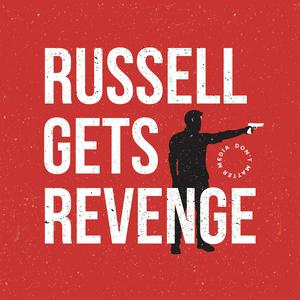
An eight episode black comedy fiction podcast about a mild-mannered accountant on a quest for vengeance. Written and created by Peter Hoffman Kimball, starring Josh Callahan, and featuring such voice talent as Ptolemy Slocum from HBO's Westworld and Emmy winner Neil Garguilo from MTV's Awkward.
Podcast websiteListen to Russell Gets Revenge, Wooden Overcoats and many other podcasts from around the world with the radio.net app
Get the free radio.net app
- Stations and podcasts to bookmark
- Stream via Wi-Fi or Bluetooth
- Supports Carplay & Android Auto
- Many other app features
Get the free radio.net app
- Stations and podcasts to bookmark
- Stream via Wi-Fi or Bluetooth
- Supports Carplay & Android Auto
- Many other app features

Russell Gets Revenge
Scan code,
download the app,
start listening.
download the app,
start listening.
 New Zealand

