

Listen to this podcast in the app for free: Download for free in the App Store
radio.net
Sleep timer
Save favourites
64 episodes

How Ornithology Led an Oxford Scientist to Christian Faith - Prof. Andrew Gosler
31/08/2026 | 1h 7 mins.Todd Funk sits down with ornithologist, author, and Anglican priest, Professor Andy Gosler to trace how his work in bird ecology, philosophy of science, and theology shaped his view of evolution and Christian faith. The conversation moves from Dawkins, Darwin, and epigenetics to Genesis, information, and why awe in nature can coexist with rigorous science.Apologetics Basics: Evil & Suffering
24/08/2026 | 38 mins.In this episode, Nic Blackie and Todd Funk explore the problem of evil and suffering from a Christian perspective. They discuss philosophical arguments like the Epicurean trilemma, define evil, and examine how God's goodness is compatible with the existence of evil, offering hope and insight for believers and skeptics alike.Islam to Christianity - Abdu Murray
10/08/2026 | 44 mins.Abdu Murray shares his journey from Islam to Christianity, exploring the intellectual and personal challenges he faced, and how biblical and Quranic texts influenced his faith transition. This episode offers deep insights into faith, scripture, and the importance of love and community in spiritual conversations.
RESOURCES //Embrace the Truth Ministries - https://embracethetruth.org/Fake ID: A New Book by Abdu Murray - https://www.amazon.com/Fake-ID-New-Abdu-Murray/dp/XXXXXXRealityCollapseBook.com - https://realitycollapsebook.com/The Dangers of AI Mania - Abdu Murray
03/08/2026 | 58 mins.In this episode, Abdu Murray discusses the impact of artificial intelligence and identity ideology on our understanding of reality, exploring biblical perspectives and the importance of personhood. He shares insights on engaging in meaningful Q&A, the dangers of AI mania, and how biblical worldview offers solutions.Are Near-Death Experiences Real? - Dr. Orson Wedgwood
29/07/2026 | 1h 4 mins.Explore the fascinating world of near-death experiences (NDEs) with Dr. Orson, a scientist and Christian, as he discusses scientific evidence, spiritual implications, and how NDEs challenge materialist views of consciousness.
OrsonW.com - https://orsonw.com
More Christianity podcasts
 Life-Study of Hebrews with Witness LeeChristianity, Religion & Spirituality
 That Sounds Fun with Annie F. DownsChristianity, Religion & Spirituality
 Ask NT Wright AnythingChristianity, History, Religion & Spirituality
 Live Free with Josh HowertonChristianity, Religion & Spirituality
 The Bible in a Year (with Fr. Mike Schmitz)Christianity, History, Religion & Spirituality
 A Stronger FaithChristianity, Religion & Spirituality, Spirituality
 Jesus People PodcastChristianity, Religion & Spirituality
 Timothy Keller Sermons Podcast by Gospel in LifeChristianity, Religion & Spirituality
 Unbelievable?Christianity, Religion & Spirituality
 BibleProjectChristianity, Religion & Spirituality
Trending Christianity podcasts
 The Ed Newton PodcastChristianity, Religion & Spirituality
 The Allender Center PodcastChristianity, Health & Wellness, Mental Health, Religion & Spirituality
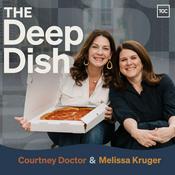 The Deep DishChristianity, Religion & Spirituality, Society & Culture, Spirituality
 Christ With Coffee On IceChristianity, Education, Religion & Spirituality, Self-Improvement
 We Need to Talk PodcastChristianity, Religion & Spirituality
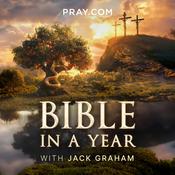 Bible in a Year with Jack GrahamChristianity, Education, Religion & Spirituality
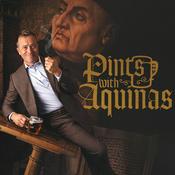 Pints With AquinasChristianity, Education, Philosophy, Religion & Spirituality, Society & Culture
 Return To TraditionChristianity, Religion & Spirituality
 The Rosary with Bishop Robert BarronChristianity, Religion & Spirituality
 The Roots of EverythingChristianity, Religion & Spirituality
 Things Unseen with Sinclair B. FergusonChristianity, Religion & Spirituality
 Bodies Behind The BusChristianity, Documentary, Health & Wellness, Mental Health, Religion & Spirituality, Society & Culture
 The Russell Moore ShowChristianity, Religion & Spirituality
 Sunday Sanctuary with Petra BagustChristianity, Religion & Spirituality
 Dag Heward-MillsChristianity, Religion & Spirituality
 Snarky FaithChristianity, News, Politics, Religion & Spirituality, Spirituality
 Rule of LifeChristianity, Religion & Spirituality
 Girls Gone BibleChristianity, Religion & Spirituality
About Thinking Matters Podcast
Do you ever find yourself wrestling with tough questions about faith, meaning, and culture — wondering not just what you believe, but why? The Thinking Matters Podcast with Todd Funk invites New Zealand Christians (and those curious about Christian faith) into conversations that go deep, are honest, and equip you to live out a thoughtful, grounded faith in a rapidly changing world.
Each episode, Todd will engage experts, thinkers, believers, and sceptics — people who ask hard questions and give thoughtful answers.
Podcast websiteListen to Thinking Matters Podcast, Life-Study of Hebrews with Witness Lee and many other podcasts from around the world with the radio.net app
Get the free radio.net app
- Stations and podcasts to bookmark
- Stream via Wi-Fi or Bluetooth
- Supports Carplay & Android Auto
- Many other app features
Get the free radio.net app
- Stations and podcasts to bookmark
- Stream via Wi-Fi or Bluetooth
- Supports Carplay & Android Auto
- Many other app features

Thinking Matters Podcast
Scan code,
download the app,
start listening.
download the app,
start listening.
 New Zealand