
Listen to this podcast in the app for free: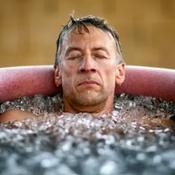 Download for free in the App Store
radio.net
Sleep timer
Save favourites
66 episodes
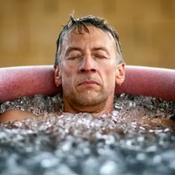
Protecting Mitochondria to Prevent Insulin Resistance | Ben Bikman, PhD | Uncommon Living 69
17/10/2026 | 36 mins.Insulin resistance originates in oversized white fat cells. In this episode of Uncommon Living, insulin expert Ben Bikman, PhD explains to Professor Thomas Seager how insulin acts within the body, and the relationship between mitochondria and the action of insulin.They explore the roles of brown fat activation and ketones in metabolic health, and some of the dire consequences of insulin resistance for sexual and reproductive health, including erectile dysfunction and dangerous complications during pregnancy that can result from poor mitochondrial function. They review the deleterious effects of metformin and Viagra on the mitochondria, and the benefits of cold plunge therapy and forest bathing for metabolic health.Metabolic Psychiatry | Ally Houston | Uncommon Living 68
10/10/2026 | 1h 8 mins.Ally Houston ate nothing but McDonald's quarter-pounder burger patties and eggs for a month he called "McTober" and he felt fantastic.How can this be?In this episode of Uncommon Living, former physicist Houston tells Professor Thomas Seager about his new doctoral research in ketones for treating mental health disorders like ADHD and depression. Motivated by his experiments on himself that rescued him from obesity, Houston is now investigating whether the high-fat, keto diet that rescued him could be beneficial for others.Metabolic psychiatry treats your mental health as a biological function of specific nutritional intake rather than a mysterious internal state.Ally Houston is a PhD researcher building a specialized tool to help you quantify the relationship between what you eat and how you feel. His project aims to provide randomized, controlled data on how the ketogenic diet influences your daily emotional baseline.By analyzing the intersection of metabolic processes and cognitive function, we can move toward a more objective understanding of brain health. This conversation breaks down the current academic research and the practical application of tracking your diet to better manage your neurological state.Power: Light Water Magnetism | David Hererra | Uncommon Living 67
04/10/2026 | 1h 10 mins.Champion powerlifter David Herrera explores the science of light therapy, deuterium depleted water, magnetism, and how it impacts energy production for human performance.David Herrera joins the show to explain his transition into studying the biological effects of light. After discovering the work of Jack Kruse through a podcast, Herrera began investigating how specific frequencies impact recovery and systemic health.This conversation breaks down the practical applications of circadian biology for athletes and anyone looking to optimize their physiological baseline. We examine the mechanism of action behind light therapy, cold exposure, magnetism, and light environment serves as a foundational lever for human health.What You Need to Know About Cardio | Wayne Harlan, Kenneth Jay MD | Uncommon Living 66
27/09/2026 | 55 mins.Misconceptions about cardio workouts are posted on every gym wall in America. Yet, good cardiovascular data tracking is essential for understanding your physical limits, peak muscle power output, and designing exercise programs that achieve optimal heart health.Wayne Harlan & Kenneth Jay MD join Thomas Seager PhD on the Uncommon Living podcast to describe a specialized rowing app called RowForge that goes beyond simple distance metrics. This device captures granular insights across multiple cardiovascular dimensions, offering a precise look at how your body performs under load. By analyzing these specific metrics, you can better tailor your training to improve overall efficiency.If you want to move past general fitness tracking and start measuring your actual physiological output, this breakdown explains the utility of this equipment. Understanding your cardiovascular health data provides a clearer roadmap for long-term optimization.Science from the Ice Bath | Ice Talks 2 | Thomas Seager PhD
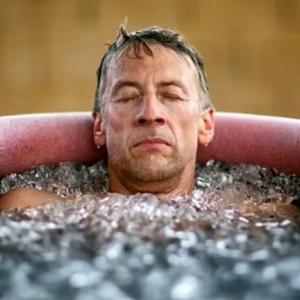
20/09/2026 | 2h 37 mins.This two-and-a-half hour marathon podcast is a compilation of short lectures delivered from Professor Thomas Seager's ice bath. His favorite topics include:- the benefits of Shady Forest Light (green light + red/nearinfrared NIR light) for skin health, pain relief, inhibiting growth of melanoma tumors, reducing cellulite and regrowing hair.- using ice baths before exercise - i.e., precooling for exercise performance- ice baths and heart health, and why hypertension is the #1 contraindication to cold plunge therapy- how mitochondria make ultraviolet biophoton light during cold thermogenesis to produce Vitamin D inside brown fat cells- minerals, including magnesium, zinc, copper, and potassium in hot springs and ice baths- hydrogen therapy for mitochondrial health- the dangers of chlorine- ECDO theory and the implications of the weakening of the Earth's magnetic field- Nature vs TechnologySeager's advice is to stop blaming testosterone for balding and instead earn how your light environment and cold exposure actually influence hair regrowth. He examines the role of light therapy in stimulating dormant hair growth by targeting melanin and mitochondria.Beyond the scalp, Seager discusses how cold therapy improves mitochondrial function.
More Science podcasts
Trending Science podcasts



About Uncommon Living: A Dialogue in Human Resilience
Arizona State University Professor and Morozko CEO Thomas P. Seager, PhD hosts health experts for dialogs in human resilience, including the science and experience of cold plunge therapy.
Podcast websiteListen to Uncommon Living: A Dialogue in Human Resilience, StarTalk with Neil deGrasse Tyson and many other podcasts from around the world with the radio.net app
Get the free radio.net app
- Stations and podcasts to bookmark
- Stream via Wi-Fi or Bluetooth
- Supports Carplay & Android Auto
- Many other app features
Get the free radio.net app
- Stations and podcasts to bookmark
- Stream via Wi-Fi or Bluetooth
- Supports Carplay & Android Auto
- Many other app features

Uncommon Living: A Dialogue in Human Resilience
Scan code,
download the app,
start listening.
download the app,
start listening.
 New Zealand
