
Listen to this podcast in the app for free: Download for free in the App Store
radio.net
Sleep timer
Save favourites
158 episodes
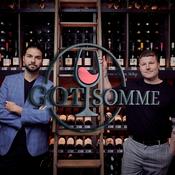
Should You Drink That 'Old' Bottle Now?
21/10/2026 | 16 mins.What happens when four Australian Cabernet wines from the same vintage, stored in the same cellar for 30 years, are opened and tasted blind?
\In this episode of Got Somme, Angus O’Loughlin and Master Sommelier Carlos Santos taste a flight of 1996 Australian wines from four different states: New South Wales, Western Australia, Victoria and South Australia.
The lineup includes two celebrated Australian producers and two lesser-known challengers. But when the bottles are revealed, reputation counts for nothing.
Carlos explains how to store wine correctly, why old corks can disintegrate, how oxygen affects ageing and the signs that a mature wine may be approaching the end of its drinking window. The pair also explore the tobacco, cedar, leather, dried fruit and cigar-box characters that develop as Cabernet ages.
Which Australian wine region produced the best-performing 1996 Cabernet? And should you open that old bottle sitting in your cellar before it is too late?
Thank you to Mark Dietz for generously supplying this incredible flight of wines from his family cellar.
The 1996 wine flight
🍷 Barwang Cabernet SauvignonHilltops, New South Wales
🍷 Alkoomi Cabernet SauvignonFrankland River, Western Australia
🍷 Yarra Yering Dry Red Wine No. 1Yarra Valley, Victoria
🍷 Yalumba The Menzies Cabernet Sauvignon, Coonawarra, South Australia
Shop the RIEDEL range here:https://www.riedel.com/en-auAustralian listeners can get 25% off at checkout using the code: GOTSOMME
In this episode
When should you open an aged bottle of wine?
Can Australian Cabernet Sauvignon age for 30 years?
Why wine bottles should be stored horizontally
What happens when an old cork dries out
Whether you should rotate bottles in your cellar
How vintage conditions influence ageing potential
The difference between primary and tertiary wine aromas
How to identify oxidation and volatile acidity
Why famous producers do not always win blind tastings
Which Australian state produced the winning 1996 wine
Chapters
00:00 Should you open that 1996 wine?
00:51 Understanding 30-year-old Australian wine
01:36 Why old corks disintegrate
03:09 The correct way to store wine
04:01 Four bottles from the same cellar
05:40 How the 1996 vintage affected the wines
07:30 Revealing the four-wine lineup
08:20 The blind tasting begins
10:24 Colour, oxidation and volatile acidity
11:23 Tobacco, leather, cedar and tertiary aromas
12:38 Angus chooses his favourite
13:37 Carlos ranks the four wines
15:15 The bottles are revealed
15:48 Why the famous wines finished last
Welcome to Got Somme, the ultimate wine podcast where Master Sommeliers and wine experts share their tips, blind tasting challenges, and insider knowledge from vineyards around the world. Whether you’re a wine beginner or a seasoned enthusiast, we explore everything from wine education and wine tasting techniques to sparkling wines, red vs white, and the best wines under $30.Subscribe for weekly episodes and join us as we taste, learn, and uncover the stories behind your favourite wines. Perfect for anyone looking to improve their wine knowledge, discover new wine regions, or just enjoy a fun, educational chat about wine.100-Year-Old Wine: Poison or Perfect?
07/10/2026 | 15 mins.Angus thought he had spent $450 on a bottle of wine from 1927. Then Master Sommelier Carlos Santos revealed that the label did not tell the whole story.
In this episode of Got Somme, Angus and Carlos open a rare Seppeltsfield 1927 Para Liqueur Tawny and investigate what the date on the bottle actually means. Is the wine genuinely almost 100 years old, or does it contain only a small portion of wine from 1927?
Carlos explains how these historic Australian fortified wines were blended, why the year represented the oldest component in the bottle and how ageing in oak transforms a dark red wine into an intensely concentrated Tawny.
They also explore the difference between Tawny and Ruby fortified wines, how long an opened bottle can last, the best temperature for serving fortified wine and what food you should pair with it.
Was this historic bottle worth $450? Watch until the end for Angus and Carlos’ verdict.
What “1927” actually means on a bottle of Para Liqueur Tawny
Whether this wine can genuinely be called nearly 100 years old
The history of Seppeltsfield’s iconic bell-shaped Para bottle
Why Australian producers no longer use the word “Port”
How Tawny fortified wine ages in oak
The difference between Tawny and Ruby styles
What happens to wine after it is bottled
How long fortified wine lasts after opening
The ideal serving temperature for Tawny
The best food pairings for old fortified wine
Whether a $450 bottle of Australian wine is worth the money
00:00 The mystery of the 1927 bottle
00:57 Angus discovers the wine may not be 100 years old
02:03 Opening the Seppeltsfield Para Liqueur Tawny
03:05 Why Australia cannot call it Port anymore
03:47 What the “1927” label actually means
04:00 How different vintages may have been blended
05:25 The history of the bell-shaped bottle
06:35 Can fortified wine become too old?
07:14 How Tawny ages and concentrates in barrels
08:02 The difference between Ruby and Tawny
09:11 How tertiary flavours develop
10:20 Why more people should drink fortified wine
11:00 How long does it last after opening?
12:16 How can fortified wine attract younger drinkers?
12:40 The best food pairings
13:48 Why “room temperature” is terrible wine advice
15:17 The final verdict
Angus paid $450 for what he thought was a nearly 100-year-old bottle of wine. Master Sommelier Carlos Santos reveals what “1927” actually means on this rare Seppeltsfield Para Liqueur Tawny and explains how to serve, store and pair one of Australia’s most historic fortified wines.
Seppeltsfield 1927 Para Liqueur, Seppeltsfield Para Tawny, 100-year-old wine, Australian fortified wine, vintage Tawny, rare Australian wine, old wine tasting, Master Sommelier, Carlos Santos, Barossa Valley wine, Tawny versus Ruby Port, fortified wine food pairing, how long fortified wine lasts, Got Somme podcast.
Learn more about the history of Seppeltsfield Para Tawny
Subscribe to Got Somme for more blind tastings, rare bottles and honest wine reviews
Follow Got Somme on Instagram, YouTube and your preferred podcast platformWe Travelled 17,000km for This Moment
17/09/2026 | 13 mins.Got Somme has gone global!
After being nominated in two categories at the 2026 67 Pall Mall Wine Communicator Awards, Angus flies from Melbourne to London to find out whether Got Somme can take home an international award.
Before the winners are announced, we explore London’s incredible wine culture, beginning at Ye Olde Wine Shades, one of the city’s oldest and most historic wine bars. Angus tastes grower Champagne from a traditional pewter tankard and pairs classic British dishes with wines from England, France, South Africa and Spain.
From English sparkling wine with fish and chips to Chardonnay with a Scotch egg, Grenache with bangers and mash, and Port with Stilton, this might be the most British wine tasting Got Somme has ever attempted.
We also receive special access to 67 Pall Mall for a conversation with founder and CEO Grant Ashton. Grant shares his plans for 67 Pall Mall Melbourne, the challenges of importing international wine into Australia and why Australian wine deserves its place alongside the greatest bottles in the world.
Then it is time to get suited, booted and head to the 67 Pall Mall Wine Communicator Awards. Did Got Somme win? You will have to watch to find out.
Stay until the end for a preview of our next adventure as we jump aboard the Eurostar and travel to Chablis and Champagne, including rare access behind the gates of the legendary Champagne Salon.
In this episode:
00:00 Welcome to London
00:23 The 67 Pall Mall Wine Communicator Awards
00:39 Visiting Ye Olde Wine Shades
01:44 English sparkling wine with fish and chips
02:39 Chardonnay and the classic Scotch egg
04:21 Grenache with bangers and mash
05:37 Pairing wine, cheese and Port
07:50 Meeting 67 Pall Mall founder Grant Ashton
08:38 The challenge of bringing international wine to Australia
09:32 Why Australians proudly drink Australian wine
10:07 Plans for 67 Pall Mall Melbourne
12:02 The Wine Communicator Awards begin
12:58 Did Got Somme win?
13:08 Next stop: Chablis and Champagne Salon
Subscribe to Got Somme as we make wine easier to understand, meet the people shaping the industry and explore the world’s greatest wine regions.
Got Somme is hosted by Angus O’Loughlin and Master Sommelier Carlos Santos.I Bought 12 Bottles After One Sip of This $28 Wine
02/09/2026 | 31 mins.What if your new favourite Australian wine came from a region you have never heard of and cost less than $30?
Angus O’Loughlin and Master Sommelier Carlos Santos are joined by winemaker Andrew Dawson from Yeah Wine to explore Blackwood Valley, one of Western Australia’s most exciting and overlooked wine regions.
Nestled inland from Margaret River, Blackwood Valley is home to family-run vineyards, rolling hills and a distinctive continental climate that produces beautifully expressive Chardonnay, Shiraz, Cabernet Sauvignon and Merlot, without the premium price tag.
The conversation begins with a 2023 Whimwood Estate Chardonnay so good Angus ordered 12 bottles. Hand-picked, whole-bunch pressed and fermented in French oak, this impressive Blackwood Valley wine is crafted using techniques commonly associated with much more expensive Chardonnay.
From there, the trio tastes Beulah Wines’ 2023 Shiraz, a bright, medium-bodied expression grown by the Nield family, before discovering Andrew’s Yeah Wine 2023 “Bringing Sexy Back” Merlot, made using fruit grown by Mick Hester in Blackwood Valley.
A big thank you to our friends at Blackwood Valley Wines and to Andrew Dawson from Yeah Wine for helping us discover the remarkable people, vineyards and wines behind this special Western Australian region.
Wines featured in this episode
2023 Whimwood Estate Chardonnay: View and purchase the Chardonnay
2023 Beulah Wines Shiraz: View Beulah Wines’ range
2023 Yeah Wine “Bringing Sexy Back” Merlot: View and purchase the Merlot
Discover Blackwood Valley WinesWebsite: https://blackwoodvalleywine.com.au/Instagram: @blackwoodvalleywine
Discover Whimwood Estate WinesWebsite: https://www.whimwoodestatewines.com.au/Instagram: @whimwoodestatewines
Discover Andrew Dawson and Yeah WineWebsite: https://www.yeahwine.com.au/Instagram: @yeah_wine
Chapters
00:00 The $28 Chardonnay worth talking about
00:42 Meet Yeah Wine’s Andrew Dawson
02:16 Discovering Blackwood Valley
03:17 Blackwood Valley vs Margaret River
04:40 Tasting Whimwood Estate Chardonnay
08:06 Finding exceptional wine without the premium price
08:30 Blackwood Valley’s climate, hills and vineyards
10:41 The families behind Blackwood Valley wine
12:10 Tasting Beulah Wines’ 2023 Shiraz
14:17 Why Western Australian Shiraz tastes different
15:16 The family story behind Beulah Wines
16:37 Blackwood Valley vs Margaret River Cabernet
18:02 Is Blackwood Valley Australia’s answer to southern France?
20:17 Yeah Wine’s “Bringing Sexy Back” Merlot
22:44 Making wine approachable without the pretension
24:30 What is happening to the Australian wine industry?
26:44 Sustainable winegrowing in Blackwood Valley
27:56 Why visit Blackwood Valley?
28:53 The best Blackwood Valley wines to buy for $50
Welcome to Got Somme, the ultimate wine podcast where Master Sommeliers and wine experts share their tips, blind tasting challenges, and insider knowledge from vineyards around the world. Whether you’re a wine beginner or a seasoned enthusiast, we explore everything from wine education and wine tasting techniques to sparkling wines, red vs white, and the best wines under $30.Subscribe for weekly episodes and join us as we taste, learn, and uncover the stories behind your favourite wines. Perfect for anyone looking to improve their wine knowledge, discover new wine regions, or just enjoy a fun, educational chat about wine.Only 24 bottles off this wine exist in the WORLD!
19/08/2026 | 19 mins.There were only 24 bottles of this rare Swiss wine left in the world.
Then Angus and Carlos opened one.In this episode of Got Somme, Master Sommelier Carlos Santos and Angus O’Loughlin explore the fascinating world of rare and allocated wines.
Does limited production genuinely signal exceptional quality, or is scarcity sometimes little more than a clever sales technique designed to create FOMO?
Carlos reveals how wine allocations work inside the world’s best restaurants, including why venues may receive only one or two bottles of legendary wines such as Domaine de la Romanée-Conti. He also explains how relationships with distributors, purchasing history and global demand determine who gets access to the most sought-after bottles.
The pair then taste an experimental Swiss Merlot from Ticino, supplied by Daniel of Invidia Wines.
With the winemaker having passed away and production ending, this bottle represents a genuinely finite piece of Swiss winemaking history.
https://invidiawines.com/
https://www.instagram.com/invidia_wines/
Episode chapters:
00:00 Only 24 bottles remain
01:04 Carlos reveals his Swiss connection
02:07 How wine allocations create FOMO
03:58 Does scarcity automatically mean value?
05:09 Why restaurants refuse tiny allocations
07:04 Carlos’s smallest-ever wine allocation
09:05 What it takes to access Romanée-Conti
11:15 The true cost of securing DRC
13:27 Are some allocated wines overrated?
14:46 Australia’s undiscovered small-production wines
16:04 Discovering Swiss wine
16:32 Why Ticino is famous for Merlot
17:18 The story behind this incredibly rare bottle
18:07 Tasting the experimental Swiss Merlot
18:46 Carlos’s tasting notes
19:12 Final verdict
#GotSomme #SwissWine #RareWine #AllocatedWine #WinePodcast #MasterSommelier #TicinoWine #Merlot #WineTasting #DRC #RomaneeConti #AustralianWine
More Arts podcasts








Trending Arts podcasts





















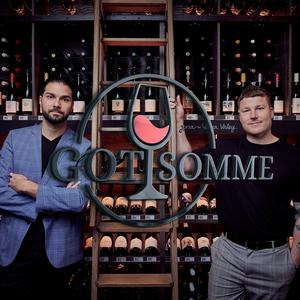
About Got Somme : Master Sommelier's Wine Podcast
Got Somme' is a podcast for wine lovers who know nothing about what's in their glass. We aim to educate you on types, tannins and taste to producers, appellations and age.
We speak to the best winemakers in the world finding out how they make the wine that has captured the attention of Master Sommelier Carlos Santos. Carlos will aim to teach radio announcer and novice wine enthusiast Angus O'Loughlin how to discern a good wine from a bad and empower listeners with a skill set good enough to choose the table wine next time you have friends over.
Podcast websiteListen to Got Somme : Master Sommelier's Wine Podcast, 岩中花述 and many other podcasts from around the world with the radio.net app
Get the free radio.net app
- Stations and podcasts to bookmark
- Stream via Wi-Fi or Bluetooth
- Supports Carplay & Android Auto
- Many other app features
Get the free radio.net app
- Stations and podcasts to bookmark
- Stream via Wi-Fi or Bluetooth
- Supports Carplay & Android Auto
- Many other app features

Got Somme : Master Sommelier's Wine Podcast
Scan code,
download the app,
start listening.
download the app,
start listening.
Got Somme : Master Sommelier's Wine Podcast: Podcasts in Family
 New Zealand