
Listen to this podcast in the app for free: Download for free in the App Store
radio.net
Sleep timer
Save favourites
364 episodes
Is Your Ferritin Really Normal? New Iron Guidelines + High-Protein Cereals
20/10/2026 | 31 mins.One in three young Australian women don’t have enough iron stored. And if you’ve ever been told your ferritin is normal while feeling exhausted, breathless on the stairs and unable to recover from training, a brand new international guideline suggests your result may not be normal at all.
This week on The Nutrition Couch, Leanne Ward and Susie Burrell unpack the latest iron data, put the new wave of high-protein cereals to the test, and answer your berberine questions once and for all.
Your ferritin might not be as normal as you think
New data released for Iron Awareness Week shows iron deficiency is still one of the biggest issues for Australian women, and Leanne reveals which age group is hit hardest (it’s probably not who you’d expect). She explains the new American Society of Hematology guideline that more than doubles the ferritin cut-off for diagnosing iron deficiency, why women with heavy periods may need to aim even higher, and what to ask your GP if your levels have been sitting in the teens for years. Plus the everyday habits that quietly block iron absorption.
High-protein cereals: worth it or just clever marketing?
Susie is surprisingly open to them. Leanne isn’t convinced 15 grams gets you anywhere near enough. Hear the ingredient checks to make before you buy, why most women need closer to 30 grams of protein at breakfast, and easy ways to turn a bowl of cereal into a meal that actually keeps you full until lunch.
$11.90 for frozen chocolate raspberries?
The hosts review Bomberry’s chocolate-coated raspberries, the realistic serve size (spoiler: nobody eats three), and Susie’s favourite 90-calorie ice cream swap.
Is berberine really nature’s Ozempic?
What the research actually shows for blood sugar, cholesterol and weight loss, who might benefit, and why you won’t find it in the Designed by Dietitians range.
If someone you know is always tired, send them this episode. It could be the nudge they need to get their iron checked.
See omnystudio.com/listener for privacy information.Why Eating More Fibre Can Make Constipation Worse
13/10/2026 | 35 mins.Eating more fibre but feeling more blocked, bloated or sluggish than ever? You’re not imagining it, and you’re definitely not alone.
This week Leanne and Susie explain why piling on more fibre so often backfires. It’s especially common if you’re in a calorie deficit or taking a GLP-1 medication like Ozempic or Mounjaro. Leanne breaks down the three types of fibre your gut actually needs and how each one works. She also explains why your lettuce, tomato and cucumber salad isn’t doing as much for your bowels as you think.
Then they dig into a brand-new JAMA Psychiatry trial that found cutting back on ultra-processed foods improved depression scores in just four weeks, and how it builds on Australia’s landmark SMILES trial. Plus there’s Leanne’s $7 supermarket pizza find, with an ingredient list she says she couldn’t beat at home. And a listener question has Leanne and Susie (rarely!) disagreeing: can peanut butter be your main fat?
In this episode:
Why more fibre can make constipation worse, and the low and slow rule that fixes it
The three types of fibre: gel-forming fibre (psyllium, chia, oats, kiwifruit)
roughage (bran, wholegrains, skins left on)
fermentable fibre and resistant starch, which feed your gut bugs
Why two kiwifruit a day is great, but not enough on its own
Why the 20g of fibre in your protein bar isn’t the same as fibre from whole foods
Susie’s gut tips for GLP-1 users: cooked veggies over salads, wheat bran vs oats, moving through the day, and eating little and often
The new study on ultra-processed food and depression, and what the SMILES trial already showed us
The La Napoli Wood Fired Margherita pizza from Woolworths: four simple ingredients and about 20g of protein per half pizza
Peanut butter as your main fat: how much you need, and why Leanne and Susie land on different daily fat targets
Research mentioned:
Chagwedera DN et al. Reducing Ultraprocessed Foods From the Diets of Patients With Depression: A Pilot Crossover Trial. JAMA Psychiatry, 2026.
Jacka FN et al. A randomised controlled trial of dietary improvement for adults with major depression (the SMILES trial). BMC Medicine, 2017.
New episodes drop every Wednesday. If this one helped, send it to a friend who’s been battling a sluggish gut. A rating or review on Apple Podcasts or Spotify helps more people find the show.
Follow Leanne on Instagram @leannewardnutrition and Susie @susie_burrell.
See omnystudio.com/listener for privacy information.Is It Okay to Skip Dinner If You're Not Hungry? + The Caffeinated Calippo
06/10/2026 | 32 mins.Coffee instead of breakfast. Lunch at 2pm. Something at 5pm because you're starving, then dinner at 7.30 and maybe dessert after that. If that sounds like your day, this episode is for you.
This week on The Nutrition Couch, Leanne Ward and Susie Burrell unpack why our meals keep sliding later and later, what that does to hunger and metabolism, and why it's okay to skip a meal when you're genuinely not hungry, as long as you follow one important rule.
Why your eating day keeps drifting later
Susie explains why the real benefit of a shorter eating window comes from finishing earlier, not from pushing breakfast back. She covers why a balanced meal should keep you full for three to four hours, why dinner around 6pm can make such a difference if you're struggling with weight, hormones or metabolism, and why this isn't a one-size-fits-all rule for everyone.
Skipping a meal? Don't skip this
Leanne shares the caveat she gives clients every week. If you're not hungry, you don't need to force a full meal, but you shouldn't skip your protein either. She explains why most women can't hit their protein needs on two meals a day, and the easy options she reaches for instead, like a high-protein yoghurt or a scoop of Designed by Dietitians Digestive Protein.
Does tracking your food actually work?
A new study of more than 5,000 food tracking app users found that people who logged six to seven days a week lost around two-thirds more weight than those who logged fewer than two. Leanne explains why the results come with a big asterisk, and Susie shares the simpler approach she uses in clinic that can be just as eye-opening.
Product review: an ice block with caffeine?
The new Calippo+ Energy has 30mg of caffeine per tube, about the same as an instant coffee, plus more than three teaspoons of sugar. Who it might suit, who should steer well clear, and the simple reference point every parent needs. Plus Susie's new Maxibon obsession and Leanne's very strong feelings about banana flavour.
Listener question: how much food do kindy kids really need?
A kindergarten teacher asks whether children are being overfed. Leanne explains why afternoon tea matters at this age and how she uses Ellyn Satter's division of responsibility with her own girls. Susie shares a simple lunchbox formula, including the one-packet rule that helps the rest of the lunchbox actually get eaten.
Share this episode with the friend who lives on coffee until lunchtime.
See omnystudio.com/listener for privacy information.Is Your Kids' Sunscreen Safe? Plus Why Loving a Fast Food Brand Changes How You Eat
29/09/2026 | 32 mins.A new study found a common sunscreen chemical at surprisingly high levels in Queensland kids, and if you're a parent you've probably already seen the headlines. So what does it actually mean, and should you be changing what goes on your kids' skin this summer?
This week on The Nutrition Couch, Leanne and Susie cut through the alarmist sunscreen coverage with a calm, evidence-based look at the research. Then they unpack new research showing that the more you like a fast food brand, the healthier you believe it is, and the poorer your overall diet tends to be. Plus the 18-calorie burger sauce Leanne happily paid $8 for, and the truth behind the viral claim that you should never blend bananas and berries.
In this episode:
What the new homosalate study really found in Aussie kids, why Australia allows more than double the concentration Europe permits, and what the TGA is saying
Leanne's no-panic approach to choosing a kids' sunscreen, and why zinc isn't automatically the better option
The melanoma story that shows why yearly skin checks and acting early matter
New research on fast food brand loyalty, and why the "healthier option" on the menu can quietly give you permission to eat more of it
What Susie is seeing in clinic with GLP-1 users and fast food
Why fast food sponsorship in sport, from cricket to State of Origin, shapes what our kids think is normal
Product review: Fropro Fit Sauce Burger Mayo, the nutrition panel, the ingredient list, and Leanne's cheeseburger salad hack for eating more veg
Listener question: should you stop putting bananas and berries in your smoothie? Where the claim started, the tiny eight-person study behind it, and why both dietitians are still blending them together
See omnystudio.com/listener for privacy information.Tomato Sauce Ranked by Dietitians + Can Creatine Add 48 Mins of Sleep?
22/09/2026 | 29 mins.That bottle of tomato sauce in your fridge could be anywhere from 53% tomatoes to 87%. And the brand that comes out on top will probably surprise you.
This week on The Nutrition Couch, Leanne Ward and Susie Burrell work through the supermarket sauce aisle so you don't have to, then unpack the creatine sleep study that has been all over your feed.
The tomato sauce ranking every family needs
Leanne reveals which sauces have the highest percentage of tomatoes, which ones quietly swap sugar for sweeteners, and which "fancy" glass bottle brands are among the lowest in the aisle. She also shares the three brands to choose if buying Australian-grown tomatoes matters to you, because the top performers mostly aren't. Susie's top picks will be on our Instagram as a swipe-through so you can save them for your next shop.
Does creatine really give you 48 more minutes of sleep?
The headline is real, but the study behind it is far more specific than Instagram is letting on. Susie explains who was actually studied, why the benefit only showed up on certain days, and what it means for women in perimenopause and menopause. Leanne then covers a completely different line of research on creatine and sleep deprivation, which is very relevant for shift workers and parents of little ones, plus the one safety point you can't skip if you take more than the usual dose.
Plus:
Leanne gives her verdict on Susie's new favourite supermarket crumbed chicken, and a listener asks the hosts to settle a sister showdown: is carob actually healthier than chocolate? The answer comes down to one number on the label most people never check.
Got a specific supplement question? Join the Designed by Dietitians private community group on Facebook. Send us a DM and we'll share the link.
If this episode helped you, share it with someone who loves their tomato sauce.
See omnystudio.com/listener for privacy information.
More Education podcasts








Trending Education podcasts





















About The Nutrition Couch
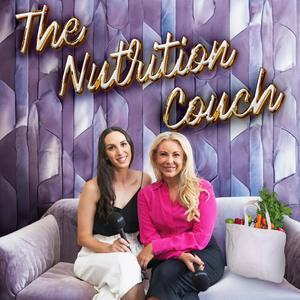
Unlock your best health in just 30 minutes a week. Join the thousands of listeners who’ve transformed their lives with The Nutrition Couch, Australia’s top-ranked nutrition podcast. Each Wednesday at 6am AEST, dietitians Leanne Ward and Susie Burrell deliver powerful, bite-sized advice that’s easy to implement and designed to make healthy living simple and enjoyable.
Ready for a healthier you? Subscribe now and start your journey with actionable tips that fit seamlessly into your busy life. Don’t wait—your path to better health begins here with The Nutrition Couch.
Podcast websiteListen to The Nutrition Couch, How to Be a Better Human and many other podcasts from around the world with the radio.net app
Get the free radio.net app
- Stations and podcasts to bookmark
- Stream via Wi-Fi or Bluetooth
- Supports Carplay & Android Auto
- Many other app features
Get the free radio.net app
- Stations and podcasts to bookmark
- Stream via Wi-Fi or Bluetooth
- Supports Carplay & Android Auto
- Many other app features

The Nutrition Couch
Scan code,
download the app,
start listening.
download the app,
start listening.
 New Zealand
