533 episodes
- This episode of The Neville Goddard Lectures Podcast features the lecture summary read by Lynna K. Teer, along with the full original lecture “How to Use Your Imagination” by Neville Goddard.
In “How to Use Your Imagination,” Neville Goddard reveals that imagination is not fantasy, idle daydreaming, or an escape from reality. It is the creative power of God operating within man. Every event expressed in the external world begins as an imaginal act, making conscious and directed imagination the key to deliberately shaping one’s experience.
Neville explains that imagination works through assumption and feeling. To use it correctly, man must assume the feeling of the wish fulfilled and persist in that assumption until it becomes expressed as fact.
The state akin to sleep provides a relaxed and receptive condition in which the physical senses become quiet and imagination can be directed more effectively. While in this state, man creates a simple and vivid imaginal scene that implies the desire has already been fulfilled. He then experiences the feeling of completion as though the event were happening in the present moment.
Imagination is always operating, whether it is used consciously or unconsciously. Habitual fears, assumptions, expectations, and inner conversations are imaginal acts that help shape experience. By learning to direct imagination deliberately, man transforms it from a reactive force into a creative instrument.
Scripture, when interpreted psychologically rather than historically, reveals imagination as the divine power within humanity. Biblical instructions concerning faith, belief, and prayer describe the inner process through which man accepts an unseen reality and allows it to become visible within his experience.
In this lecture, Neville clarifies:
Why imagination is the creative power of God within man
How every external event begins as an imaginal act
Why assumption and feeling are essential to fulfillment
How to use the state akin to sleep for conscious imagining
Why an imaginal scene should be simple and imply completion
How persistence allows an assumption to harden into fact
Why imagination operates whether it is used consciously or unconsciously
Under The Law, man discovers that imagination creates reality through the states and assumptions he accepts as true. Instead of reacting to present circumstances, he enters imagination, experiences the desired end as already fulfilled, and remains faithful to that inner reality until it becomes externally expressed.
Under The Promise, man awakens to the divine identity of the One operating imagination. He realizes that imagination is not merely a personal ability used to obtain desired experiences. It is God Himself acting within man and gradually leading him toward the revelation of divine sonship.
Imagination is the bridge between the inner world of consciousness and the outer world of experience.
“How to Use Your Imagination” reveals that spiritual mastery begins with the conscious direction of the creative power within. When imagination is guided by faith, feeling, and persistence, man moves from desire to fulfillment with greater clarity and confidence. He no longer allows appearances to determine his inner state but deliberately selects the reality he desires to experience and accepts it as already accomplished.
For structured study resources, original lecture archives, and deeper exploration of Neville Goddard’s teachings, visit NevilleGoddardOfficial.com.
To explore the practical application of The Law, listen to The Mindset and Manifesting Podcast.
For discussions devoted entirely to The Promise and spiritual awakening, listen to The Journey of Awakening Podcast.

For insight into the pattern of Scripture unfolding within man, listen to The Bible Your Biography Podcast.
Shop Neville Goddard books at The Neville Goddard Collection. - This episode of The Neville Goddard Lectures Podcast features the lecture summary read by Lynna K. Teer, along with the full original lecture “How to Really Pray” by Neville Goddard.
In “How to Really Pray,” Neville Goddard teaches that prayer is not a request directed toward an external deity. It is a deliberate inner act of assumption. Drawing from Scripture, Neville explains that true prayer is the acceptance of the desired end as an already accomplished reality within consciousness.
Neville reminds us that effective prayer does not depend upon pleading, repetition, emotional intensity, or carefully chosen words. Prayer becomes effective when man enters a relaxed state akin to sleep and feels the reality of the wish fulfilled. Through feeling, the desired state is impressed upon the subconscious mind and eventually brought into visible expression.
Prayer is always answered because true prayer is an act of selection rather than petition. Man selects a state from the infinite possibilities existing within consciousness and occupies it inwardly. The external world then reflects that inner occupancy according to law.
Doubt, waiting, and searching for confirmation contradict the act of prayer because they imply separation from fulfillment. To pray rightly is to live from the end, trusting the unseen reality accepted within imagination rather than reacting to present appearances.
Scripture, when interpreted psychologically rather than historically, reveals prayer as the conscious use of imagination. The instruction to believe that we have already received what we ask for describes the inner attitude necessary for fulfillment. Man must accept the desired state as present reality and remain faithful to it before external evidence appears.
In this lecture, Neville clarifies:
Why prayer is an act of assumption rather than a request
What it means to accept the desired end as already fulfilled
How the state akin to sleep supports effective prayer
Why feeling impresses an assumption upon the subconscious mind
How doubt and waiting imply separation from fulfillment
Why living from the end allows the outer world to reflect the inner state
Under The Law, man discovers that prayer is the conscious selection and occupation of a state. Instead of asking an external power to change his circumstances, he enters imagination and experiences the feeling of his wish fulfilled. By remaining faithful to that state, he allows the desired condition to become expressed in the world of experience.
Under The Promise, man awakens to the divine identity of the One who prays. He realizes that God is not a distant being receiving human petitions, but the divine imagination operating within man. Prayer ultimately becomes communion with the God within and participation in the unfolding revelation of divine sonship.
To pray is not to ask and hope. It is to assume and feel.
“How to Really Pray” reveals that prayer is a creative act. When man learns to pray through assumption rather than petition, he no longer waits for an external power to grant his desire. He consciously uses imagination to occupy the fulfilled state, trusts its unseen reality, and allows experience to conform naturally to what has been accepted within.
For structured study resources, original lecture archives, and deeper exploration of Neville Goddard’s teachings, visit NevilleGoddardOfficial.com.
To explore the practical application of The Law, listen to The Mindset and Manifesting Podcast.
For discussions devoted entirely to The Promise and spiritual awakening, listen to The Journey of Awakening Podcast.
For insight into the pattern of Scripture unfolding within man, listen to The Bible Your Biography Podcast.
Shop Neville Goddard books at The Neville Goddard Collection. - This episode of The Neville Goddard Lectures Podcast features the lecture summary read by Lynna K. Teer, along with the full original lecture “Hope Deferred” by Neville Goddard.
In “Hope Deferred,” Neville Goddard explains that an unfulfilled desire is not the result of denial or delay by an external power. It is the outcome of remaining in a state of hope rather than entering the state of fulfillment. Drawing from the biblical phrase, “Hope deferred makes the heart sick,” Neville teaches that hope keeps desire in the future and prevents its acceptance in the present.
Neville reminds us that hope is not faith. Hope anticipates, waits, and looks toward a future moment when the desire might be fulfilled. Faith accepts the desire as an accomplished reality within consciousness. As long as man continues to hope, he remains conscious of waiting rather than possessing.
When the desired state is assumed, it is entered within imagination and must eventually express itself. The difference between hope and faith is therefore the difference between expecting fulfillment someday and accepting fulfillment now.
Disappointment and discouragement arise when man lives in hope while anxiously searching the external world for signs, movement, or confirmation. Desire is fulfilled when it is inwardly accepted as natural and real, not when external circumstances first appear to support it.
Scripture, when interpreted psychologically rather than historically, reveals the remedy for hope deferred. Man is called to move beyond waiting and enter the state of possession through assumption. By feeling the wish fulfilled and remaining faithful to that inner reality, he allows life to reorganize itself without force or strain.
In this lecture, Neville clarifies:
Why hope can keep a desire perpetually in the future
How hope differs from genuine faith
Why disappointment arises from waiting for external evidence
What it means to accept a desire as already fulfilled
How assumption moves man from waiting into possession
Why remaining faithful to the fulfilled state allows desire to unfold naturally
Under The Law, man discovers that imagination creates reality through the states he accepts as true. He no longer merely hopes that circumstances will change. Instead, he assumes the feeling of the wish fulfilled and lives inwardly from the certainty that his desire is already accomplished.
Under The Promise, man awakens to the deeper truth that God’s purpose is not merely to fulfill temporal desires, but to awaken within humanity. Faith ultimately becomes the acceptance of God’s completed work and the recognition that the divine promise is already established, awaiting its appointed fulfillment within every individual.
Hope waits for fulfillment. Faith accepts that fulfillment is already present.
“Hope Deferred” reveals that man does not need to struggle for fulfillment or anxiously search for evidence that his desire is approaching. The remedy for prolonged waiting is assumption. When hope gives way to inner acceptance, the heart is satisfied, the state of possession is entered, and desire unfolds naturally in the world of experience.
For structured study resources, original lecture archives, and deeper exploration of Neville Goddard’s teachings, visit NevilleGoddardOfficial.com.
To explore the practical application of The Law, listen to The Mindset and Manifesting Podcast.
For discussions devoted entirely to The Promise and spiritual awakening, listen to The Journey of Awakening Podcast.
For insight into the pattern of Scripture unfolding within man, listen to The Bible Your Biography Podcast.
Shop Neville Goddard books at The Neville Goddard Collection. - This episode of The Neville Goddard Lectures Podcast features the lecture summary read by Lynna K. Teer, along with the full original lecture “His to Give, Yours to Receive” by Neville Goddard.
In “His to Give, Yours to Receive,” Neville Goddard teaches that creation operates through a divine partnership between God and man. God’s role is to give, and man’s role is to receive. Drawing from Scripture, Neville explains that giving occurs through imagination, while receiving occurs through acceptance in consciousness.
Neville reminds us that God gives by creating states, and man receives by assuming them. Desire is not an empty longing for something unavailable. It is God’s gift already formed within imagination. Its fulfillment depends upon man’s willingness to accept it as real before any external evidence appears.
Waiting, doubting, striving, and searching for confirmation delay reception. This does not mean that God is withholding the gift. It means that the state corresponding to the fulfilled desire has not yet been inwardly accepted. Everything has already been given in consciousness, but it must be received through assumption.
Receiving is therefore an inner act rather than an outer effort. To receive is to feel the wish fulfilled and rest in the conviction that it is already done. When the desired state is accepted as present reality, life begins to rearrange itself naturally in response to that inner acceptance.
Scripture, when interpreted psychologically rather than historically, reveals the relationship between divine giving and human receiving. God gives through the states created within imagination, while man receives by entering those states and accepting their reality. The promise is already available, but it must be claimed within consciousness.
In this lecture, Neville clarifies:
What it means that God’s role is to give and man’s role is to receive
Why desire is God’s gift already formed within imagination
How man receives by consciously assuming a state
Why fulfillment must be accepted before external evidence appears
How waiting, doubting, and striving delay reception
Why feeling the wish fulfilled allows life to rearrange itself naturally
Under The Law, man discovers that imagination creates reality through the states he accepts as true. Rather than attempting to force circumstances to change, he turns inward and assumes the feeling of the wish fulfilled. By resting in that assumption, he receives the state God has already given and allows it to become expressed through experience.
Under The Promise, man awakens to the divine source of both the gift and the power to receive it. He recognizes that God has been giving Himself to man through every state, desire, and experience. The ultimate gift is the revelation of divine identity and the realization that God and man are not separate.
God’s giving is constant and impartial. The only question is whether man will receive what has already been given.
“His to Give, Yours to Receive” reveals that fulfillment is not something man must earn, force, or obtain through struggle. It is accepted within consciousness. When man learns to receive inwardly by feeling the wish fulfilled, he experiences the effortless movement of life as imagination and reality come into harmony.
For structured study resources, original lecture archives, and deeper exploration of Neville Goddard’s teachings, visit NevilleGoddardOfficial.com.
To explore the practical application of The Law, listen to The Mindset and Manifesting Podcast.
For discussions devoted entirely to The Promise and spiritual awakening, listen to The Journey of Awakening Podcast.

For insight into the pattern of Scripture unfolding within man, listen to The Bible Your Biography Podcast.
Shop Neville Goddard books at The Neville Goddard Collection. - This episode of The Neville Goddard Lectures Podcast features the lecture summary read by Lynna K. Teer, along with the full original lecture “Heirs to the Universe” by Neville Goddard.
In “Heirs to the Universe,” Neville Goddard teaches that man’s true inheritance is not material possession, external recognition, or worldly status. It is the conscious awareness of divine sonship. Drawing from Scripture, Neville explains that to be an heir is to awaken to one’s identity as God in expression, possessing access to every state of being within consciousness.
Neville reminds us that inheritance is a matter of present realization rather than a reward waiting to be received in the future. The universe is already complete, and all things exist within imagination. When man recognizes this truth, he ceases striving for approval, security, and fulfillment in the external world and begins living from a state of inner sufficiency.
The universe is inherited through the conscious assumption of states. What man claims inwardly as true becomes expressed through his experience, not because of personal entitlement, but because consciousness faithfully reveals the states it occupies. To know oneself as an heir is to understand that nothing exists outside awareness.
Scripture, when interpreted psychologically rather than historically, reveals the nature of this divine inheritance. The promises of God are not descriptions of material rewards reserved for a select few. They reveal the limitless states available within consciousness and the divine identity into which every individual is destined to awaken.
In this lecture, Neville clarifies:
What it means to be an heir to the universe
Why man’s true inheritance is found within consciousness
How all states of being already exist within imagination
Why inheritance is a present realization rather than a future reward
How conscious assumptions become expressed as experience
Why recognizing divine sonship dissolves fear, competition, and limitation
Under The Law, man discovers that imagination creates reality through the states he consciously assumes. Instead of struggling to acquire what appears to exist outside him, he turns inward and occupies the state of already possessing or being what he desires. Consciousness then faithfully expresses that assumption through the circumstances of life.
Under The Promise, man awakens to the deeper truth of divine sonship. He recognizes that his ultimate inheritance is not a collection of external possessions, but the realization of his eternal identity in God. He discovers that his wonderful human imagination is divine and that the fullness of the universe exists within consciousness.
Nothing must be taken from another because nothing exists outside the infinite states available within awareness.
“Heirs to the Universe” reveals that life is not a struggle for limited resources, recognition, or security. It is an ever-unfolding expression of states. When man awakens to his true inheritance, fear of loss and limitation begins to dissolve. He lives with confidence, responsibility, and conscious participation in the fullness of life, knowing that his inheritance is his own wonderful human imagination.
For structured study resources, original lecture archives, and deeper exploration of Neville Goddard’s teachings, visit NevilleGoddardOfficial.com.
To explore the practical application of The Law, listen to The Mindset and Manifesting Podcast.
For discussions devoted entirely to The Promise and spiritual awakening, listen to The Journey of Awakening Podcast.
For insight into the pattern of Scripture unfolding within man, listen to The Bible Your Biography Podcast.
Shop Neville Goddard books at The Neville Goddard Collection.
More Religion & Spirituality podcasts
Trending Religion & Spirituality podcasts
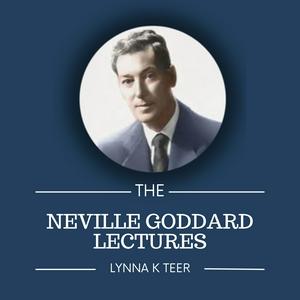
About The Neville Goddard Lectures
The Neville Goddard Lectures Podcast is devoted to preserving and sharing the original spoken teachings of Neville Goddard.
Hosted by Lynna K Teer, this podcast presents Neville Goddard’s lectures in their pure, uninterrupted form, allowing listeners to engage directly with his words as he delivered them. Neville gave more than four hundred lectures between the 1940s and early 1970s, many of which were never widely circulated after his death in 1972.
Each episode features a single lecture drawn from archival sources, carefully selected and restored to make Neville’s teachings accessible to
Podcast websiteListen to The Neville Goddard Lectures, Timothy Keller Sermons Podcast by Gospel in Life and many other podcasts from around the world with the radio.net app

Get the free radio.net app
- Stations and podcasts to bookmark
- Stream via Wi-Fi or Bluetooth
- Supports Carplay & Android Auto
- Many other app features
Get the free radio.net app
- Stations and podcasts to bookmark
- Stream via Wi-Fi or Bluetooth
- Supports Carplay & Android Auto
- Many other app features


The Neville Goddard Lectures
Scan code,
download the app,
start listening.
download the app,
start listening.
The Neville Goddard Lectures: Podcasts in Family