

Listen to this podcast in the app for free: Download for free in the App Store
radio.net
Sleep timer
Save favourites
38 episodes
Book Three – Ep.7: The People v. AIOC
01/10/2026 | 31 mins.With British warships looming off Abadan and an economic war squeezing Iran, Britain drags the oil dispute before the United Nations, and Mosaddegh crosses the ocean to fight it himself.
Follow us on Instagram, TikTok or X (Twitter).
Support this show on Patreon.
Earlier Chapters of The Oil Dispute:
Book One – Episode 8: Anglo-Persian Oil Company
Book Two – Episode 4: Anglo-Iranian Oil Company
Episode Summary
In the spring of 1951, Mosaddegh’s oil nationalization law took Iran’s oil industry out of British hands. London’s first instinct was to invade. Military planners drew up schemes to land tens of thousands of troops and seize the Abadan refinery. What stopped them was not Iran but the United States. President Truma, made it clear that America would not support the use of force. And Prime Minister Attlee, never eager for war to begin with, set the plans aside.
So Britain reached for a quieter weapon, and the Abadan Crisis became an economic siege. The Anglo-Iranian Oil Company pulled its British staff out of the refinery, and London pressured governments across Europe to keep foreign engineers from going to Iran in their place. It warned the world that anyone buying Iran’s “stolen” oil would face consequences, and it froze Iran’s hard currency in British banks. The British oil embargo was meant to squeeze until Iran’s will gave out. But when American advisers warned Mosaddegh about the collapse ahead, the old man would simply shrug and say, Tant pis pour nous. Too bad for us.
Believing it could win the argument in the court of world opinion, Britain then took Iran to the UN Security Council in October 1951, and Mosaddegh decided to go to New York himself. The Western press had called him a “Fainting Fanatic,” yet in the chamber he dismantled the British case with numbers, telling the council how the company earned sixty-one million pounds in a single year while Iran received nine, and then reading back, word by word, the insults Britain had used against his people. The council set the matter aside, and the British Empire walked away humiliated.
From there, Truman invited Mossadegh to Washington, where he charmed his hosts, embraced Acheson on the train platform, and spent seventy hours in talks with George McGhee, only to reject every compromise put in front of him. He went home empty-handed and saw that as a victory, because he would not have to defend a deal his people never wanted.
That autumn was the high point of the friendship between Iran and America.
But while Mosaddegh was winning over Washington, Churchill returned to power in London with no interest in compromise and only one goal, which was getting rid of Mosaddegh. The one thing standing in his way was the United States, and Churchill was prepared to wait until that changed.
Music
Dian Shuai – One Step Away
Max Anson – Where Does It End?
Jay Varton – Inside Light
Christoffer Moe Ditlevsen – The Road Less Travelled
Mozart – Piano Concerto No. 23 in A Major, K. 488: II. Adagio
Spearfisher, Cicely Parnas – Tombeau de Vivaldi
The post Book Three – Ep.7: The People v. AIOC appeared first on The Lion and The Sun Podcast.Book Three – Ep.6: Nationalization – Part Two
10/09/2026 | 23 mins.With nationalization signed and Mosaddegh in office, Britain cuts off Iran’s oil exports and moves warships into the Gulf. Secret documents expose decades of political interference, American mediation fails, and Iran finds itself in a standoff it cannot easily win.
Listen to part one of Nationalization here.
Episode sources
Follow us on Instagram, TikTok or X (Twitter).
Support this show on Patreon.
Episode Summary
With nationalization passed, Britain’s response came not at the negotiating table but on the water. Warships moved toward Abadan as London made clear it had no intention of accepting the law as final. Internally, the British pushed the Shah to appoint Sayyed Zia (a familiar face from the 1921 coup) as prime minister, hoping to steer Iran back toward compromise.
In the confirmation hearing, right-wing deputy, Jamal Emami, rose to mock Mosaddegh: “If Mosaddegh thought everyone else was failing, why not run the government himself?” The chamber fell silent. Then, Mosaddegh accepted. Seventy-nine deputies voted for him and afterwards the Majlis unanimously passed his follow-up nationalization legislation, establishing the National Iranian Oil Company and setting terms for auditing Anglo-Iranian’s books.
On May 1st, 1951, the Shah signed it into law.
Britain responded with an embargo. Anglo-Iranian’s general manager ordered tankers to leave Abadan empty rather than submit to Iranian oversight. The refinery ground to a halt.
America offered a mediator instead, Averell Harriman, carrying a letter from Truman himself. He spent ten days shuttling proposals between Tehran and the British. Every formula preserved some foreign role in managing Iranian oil. Mosaddegh rejected them all, warmly and completely.
When Iranian delegations moved into Anglo-Iranian’s offices, they found files being burned in a fireplace … but not quickly enough. What remained revealed decades of quiet interference: deputies bought, ministers managed, newspapers paid to undermine the National Front, a Radio Department official recruited as an asset. Mosaddegh released everything.
In Washington, Truman’s National Security Council heard the warnings plainly. The refinery was shutting down. British warships were already positioned off Abadan. Intelligence suggested an invasion was being considered. The Western alliance and Iran’s future hung in the balance.
The world was now deciding whether to let Iran’s nationalization stand … or crush it.
Music
Roberto Prado – Hidden Thread
Mark Fabian – Super Secret Spy
FableForte – Reminiscence
Christoffer Moe Ditlevsen – Missing Memories
Francesco D Andrea – Tempus Fugit
Cjbeards – Heart of the Wicked
The post Book Three – Ep.6: Nationalization – Part Two appeared first on The Lion and The Sun Podcast.Book Three – Ep.6: Nationalization (2)
08/05/2026 | 23 mins.With nationalization signed and Mosaddegh in office, Britain cuts off Iran’s oil exports and moves warships into the Gulf. Secret documents expose decades of political interference, American mediation fails, and Iran finds itself in a standoff it cannot easily win.
Listen to part one of Nationalization here.
Episode sources
Follow us on Instagram, TikTok or X (Twitter).
Support this show on Patreon.
Episode Summary
With nationalization passed, Britain’s response came not at the negotiating table but on the water. Warships moved toward Abadan as London made clear it had no intention of accepting the law as final. Internally, the British pushed the Shah to appoint Sayyed Zia (a familiar face from the 1921 coup) as prime minister, hoping to steer Iran back toward compromise.
In the confirmation hearing, right-wing deputy, Jamal Emami, rose to mock Mosaddegh: “If Mosaddegh thought everyone else was failing, why not run the government himself?” The chamber fell silent. Then, Mosaddegh accepted. Seventy-nine deputies voted for him and afterwards the Majlis unanimously passed his follow-up nationalization legislation, establishing the National Iranian Oil Company and setting terms for auditing Anglo-Iranian’s books.
On May 1st, 1951, the Shah signed it into law.
Britain responded with an embargo. Anglo-Iranian’s general manager ordered tankers to leave Abadan empty rather than submit to Iranian oversight. The refinery ground to a halt.
America offered a mediator instead, Averell Harriman, carrying a letter from Truman himself. He spent ten days shuttling proposals between Tehran and the British. Every formula preserved some foreign role in managing Iranian oil. Mosaddegh rejected them all, warmly and completely.
When Iranian delegations moved into Anglo-Iranian’s offices, they found files being burned in a fireplace … but not quickly enough. What remained revealed decades of quiet interference: deputies bought, ministers managed, newspapers paid to undermine the National Front, a Radio Department official recruited as an asset. Mosaddegh released everything.
In Washington, Truman’s National Security Council heard the warnings plainly. The refinery was shutting down. British warships were already positioned off Abadan. Intelligence suggested an invasion was being considered. The Western alliance and Iran’s future hung in the balance.
The world was now deciding whether to let Iran’s nationalization stand … or crush it.
Music
Roberto Prado – Hidden Thread
Mark Fabian – Super Secret Spy
FableForte – Reminiscence
Christoffer Moe Ditlevsen – Missing Memories
Francesco D Andrea – Tempus Fugit
Cjbeards – Heart of the Wicked
The post Book Three – Ep.6: Nationalization (2) appeared first on The Lion and The Sun Podcast.Book Three – Ep.6: Nationalization (2)
07/05/2026 | 23 mins.With nationalization signed and Mosaddegh in office, Britain cuts off Iran’s oil exports and moves warships into the Gulf. Secret documents expose decades of political interference, American mediation fails, and Iran finds itself in a standoff it cannot easily win.
Listen to part one of Nationalization here.
Episode sources
Follow us on Instagram, TikTok or X (Twitter).
Support this show on Patreon.
Episode Summary
With nationalization passed, Britain’s response came not at the negotiating table but on the water. Warships moved toward Abadan as London made clear it had no intention of accepting the law as final. Internally, the British pushed the Shah to appoint Sayyed Zia (a familiar face from the 1921 coup) as prime minister, hoping to steer Iran back toward compromise.
In the confirmation hearing, right-wing deputy, Jamal Emami, rose to mock Mosaddegh: “If Mosaddegh thought everyone else was failing, why not run the government himself?” The chamber fell silent. Then, Mosaddegh accepted. Seventy-nine deputies voted for him and afterwards the Majlis unanimously passed his follow-up nationalization legislation, establishing the National Iranian Oil Company and setting terms for auditing Anglo-Iranian’s books.
On May 1st, 1951, the Shah signed it into law.
Britain responded with an embargo. Anglo-Iranian’s general manager ordered tankers to leave Abadan empty rather than submit to Iranian oversight. The refinery ground to a halt.
America offered a mediator instead, Averell Harriman, carrying a letter from Truman himself. He spent ten days shuttling proposals between Tehran and the British. Every formula preserved some foreign role in managing Iranian oil. Mosaddegh rejected them all, warmly and completely.
When Iranian delegations moved into Anglo-Iranian’s offices, they found files being burned in a fireplace … but not quickly enough. What remained revealed decades of quiet interference: deputies bought, ministers managed, newspapers paid to undermine the National Front, a Radio Department official recruited as an asset. Mosaddegh released everything.
In Washington, Truman’s National Security Council heard the warnings plainly. The refinery was shutting down. British warships were already positioned off Abadan. Intelligence suggested an invasion was being considered. The Western alliance and Iran’s future hung in the balance.
The world was now deciding whether to let Iran’s nationalization stand … or crush it.
Music
Roberto Prado – Hidden Thread
Mark Fabian – Super Secret Spy
FableForte – Reminiscence
Christoffer Moe Ditlevsen – Missing Memories
Francesco D Andrea – Tempus Fugit
Cjbeards – Heart of the Wicked
The post Book Three – Ep.6: Nationalization (2) appeared first on The Lion and The Sun Podcast.Book Three – Ep.6: Nationalization (2)
07/05/2026With nationalization signed and Mosaddegh in office, Britain cuts off Iran’s oil exports and moves warships into the Gulf. Secret documents expose decades of political interference, American mediation fails, and Iran finds itself in a standoff it cannot easily win.
Listen to part one of Nationalization here.
Episode sources
Follow us on Instagram, TikTok or X (Twitter).
Support this show on Patreon.
Episode Summary
With nationalization passed, Britain’s response came not at the negotiating table but on the water. Warships moved toward Abadan as London made clear it had no intention of accepting the law as final. Internally, the British pushed the Shah to appoint Sayyed Zia (a familiar face from the 1921 coup) as prime minister, hoping to steer Iran back toward compromise.
In the confirmation hearing, right-wing deputy, Jamal Emami, rose to mock Mosaddegh: “If Mosaddegh thought everyone else was failing, why not run the government himself?” The chamber fell silent. Then, Mosaddegh accepted. Seventy-nine deputies voted for him and afterwards the Majlis unanimously passed his follow-up nationalization legislation, establishing the National Iranian Oil Company and setting terms for auditing Anglo-Iranian’s books.
On May 1st, 1951, the Shah signed it into law.
Britain responded with an embargo. Anglo-Iranian’s general manager ordered tankers to leave Abadan empty rather than submit to Iranian oversight. The refinery ground to a halt.
America offered a mediator instead, Averell Harriman, carrying a letter from Truman himself. He spent ten days shuttling proposals between Tehran and the British. Every formula preserved some foreign role in managing Iranian oil. Mosaddegh rejected them all, warmly and completely.
When Iranian delegations moved into Anglo-Iranian’s offices, they found files being burned in a fireplace … but not quickly enough. What remained revealed decades of quiet interference: deputies bought, ministers managed, newspapers paid to undermine the National Front, a Radio Department official recruited as an asset. Mosaddegh released everything.
In Washington, Truman’s National Security Council heard the warnings plainly. The refinery was shutting down. British warships were already positioned off Abadan. Intelligence suggested an invasion was being considered. The Western alliance and Iran’s future hung in the balance.
The world was now deciding whether to let Iran’s nationalization stand … or crush it.
Music
Roberto Prado – Hidden Thread
Mark Fabian – Super Secret Spy
FableForte – Reminiscence
Christoffer Moe Ditlevsen – Missing Memories
Francesco D Andrea – Tempus Fugit
Cjbeards – Heart of the Wicked
The post Book Three – Ep.6: Nationalization (2) appeared first on The Lion and The Sun Podcast.
More History podcasts




Trending History podcasts







About The Lion and The Sun: A Modern History of Iran
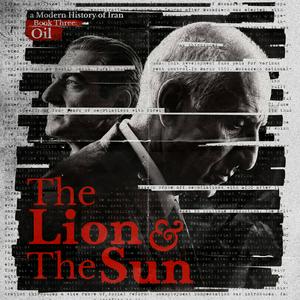
2025 Signal Award Winner: Best History Podcast Iran’s history has been a never-ending struggle for liberty and independence. In this podcast, we tell the story of how Iran ended up where it is now and how religion, monarchy, democracy, and nationalism all played important roles in defining the lives of its people. Book One: The Qajars How the constitutional revolution created Iran’s very first parliament. This season follows the story of the fading Qajar monarchy, as unrest, foreign meddling, and political betrayal set the stage for Reza Khan’s rise to power. Book Two: Reza Shah The rise and fall of Reza Shah, the architect of modern Iran. The meteoric rise of Reza Khan from a simple soldier to the founding Shah of the Pahlavi dynasty, his radical transformation of Iran into a modern state, and his ultimate downfall. Book Three: Oil (January 2026) Listen to new episodes every other Wednesday.
Podcast websiteListen to The Lion and The Sun: A Modern History of Iran, British Scandal and many other podcasts from around the world with the radio.net app
Get the free radio.net app
- Stations and podcasts to bookmark
- Stream via Wi-Fi or Bluetooth
- Supports Carplay & Android Auto
- Many other app features
Get the free radio.net app
- Stations and podcasts to bookmark
- Stream via Wi-Fi or Bluetooth
- Supports Carplay & Android Auto
- Many other app features

The Lion and The Sun: A Modern History of Iran
Scan code,
download the app,
start listening.
download the app,
start listening.
 New Zealand