

Listen to this podcast in the app for free: Download for free in the App Store
radio.net
Sleep timer
Save favourites
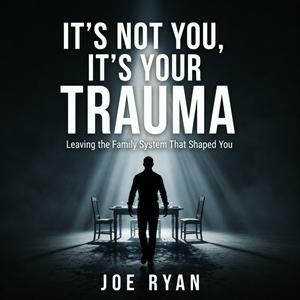
It’s Not You, It’s Your Trauma - Trauma, PTSD, Abuse, Anxiety & Recovery - Joe Ryan
Joe Ryan
Latest episode
67 episodes
EP 0100 - Trauma Recovery - Arriving at Okay
09/06/2026 | 37 mins.Joe Ryan is a trauma-based inner work coach living in New York City
https://joeryan.com/
It's Not You — It's Your Survival Identity
You didn't lose yourself in the trauma. You built yourself out of it. And then one day the pain stopped showing up. And you had no idea who you were without it. That is not a breakdown. That is the work finally working.
The Kid Who Took Over
I hit publish at six o'clock at night and crawled into my bedroom and put my head under the covers. That is the truth of what it looked like. Not brave. Not intentional. Just a man who ran out of ways to keep hiding and let something else take the wheel. See, it wasn't a choice. The little kid in me that had been ignored and hated on and neglected — he just took over. And he didn't ask permission.
Seven Listens
I opened the app and I had seven listens. Seven. And the panic came back like I'd done something wrong. We do that. We come out of hiding for one second and then we wait for the punishment. Because that's what we were taught. That being seen means getting hurt. It takes a long time to learn that being seen is the only way out.
Arriving at Okay
I don't have the cars. I don't have the status. I don't have the room full of people looking at me a certain way. What I have is okay. And okay is everything. See, from okay you have choices. Real ones. Not the kind you make when you're running from yourself. The kind you make when you finally know who you are.
The Identity You Have to Bury
The suffering was the identity. I carried my pain like a badge of honor. Look how strong I am because of what I survived. And when the pain left I felt lost. That's the part nobody tells you. You have to grieve the version of yourself that only knew how to survive.
Three Important Takeaways
Coming out of hiding is terrifying every single time and you do it anyway.
Arriving at okay is not a consolation prize — it is the destination.
When the pain leaves and you feel lost, that is not failure. That is what healing actually feels like.
Conclusion
A hundred episodes from a guy who was looking for a reason to keep breathing. That's where this started. Remember that the next time you think you've gone too far to come back.Quick Announcement and Housekeeping
21/05/2026 | 2 mins.Live Q&A Group Session
A Small, Intimate Zoom Session Where You Get Direct Access To Joe — Real Answers, Honest Feedback, And Practical Next Steps. Whether You’re Feeling Stuck, Looking For Direction, Or Ready To Go Deeper, This Session Is Designed To Meet You Where You Are And Move You Forward.
https://joeryan.com/group/EP 0099 - Resolving Anger Through Grief
12/05/2026 | 20 mins.Schedule a Complimentary Coaching Session
https://joeryan.com/
Empowering Individuals To Break Free From Childhood Programming, Emotional Paralysis, and Family System Roles. This is not traditional talk therapy. Inner Work Coaching is a raw, honest, personalized experience.
It’s Not You – It’s Your Unmourned Childhood Armor
The greatest gift you can give yourself is learning to resolve the anger with your most abusive parent because everything in your life stems from there. Unresolved hurt builds walls that block the connection you crave while fueling isolation shame and fear. Grieving what you never received shatters those defenses and hands you back your power.
Grieving the Source of Your Defenses
You discover that leaving family to face your pain and then losing a true friend forced you to sit in grief without numbing. That process exposed how childhood abuse neglect and role-playing created walls of protection that still sabotage every relationship. By feeling the full weight of lost childhood safety you gain compassion for yourself and even your wounded parents turning old rage into understanding.
Choosing Safety and Connection
Triggers become roadmaps back to the original pain. You learn to protect yourself while slowly letting people in because real safety lives inside your own body not in people-pleasing or spite. Old autopilot patterns of isolation addiction and codependency lose their grip as you build self-trust and make conscious choices instead of reacting from fear.
Three Important Takeaways
Resolving anger with source figures through full grief dismantles lifelong defenses and frees you to connect without terror.
Every trigger is a signal pointing to unprocessed childhood pain that must be felt understood and integrated before freedom arrives.
No partner success or external validation will heal you only owning the work and parenting yourself creates lasting inner peace and choice.
Continue Reading at joeryan.comGroup Coaching Session
25/01/2026 | 1 mins.Group Coaching Session. This intimate Zoom session offers a valuable opportunity to engage directly with Joe, gain deeper insights into your personal healing process, and receive thoughtful guidance in a supportive environment.
Please come prepared with your questions — this session is designed to address the real challenges you may be facing on your path to authenticity and emotional freedom.
https://joeryan.com/signup
Newsletter - Email Delivery
We moved the newsletter to a new host. To ensure delivery of the newsletter, create a filter/rule in your email settings to prevent emails from newsletter @joeryancom from going to spam
If you subscribed with an @icloud or other Apple-related email address, you will not receive the newsletter as Apple is currently blocking thousands of newsletters. You will need to resubscribe with another email address from our homepage https://joeryan.com/EP 0097 - Anger and Resentments Are Gifts
08/01/2026 | 20 mins.Schedule a Complimentary Coaching Session
https://joeryan.com/
Empowering Individuals To Break Free From Childhood Programming, Emotional Paralysis, and Family System Roles. This is not traditional talk therapy. Inner Work Coaching is a raw, honest, personalized experience.
It’s Not You – It’s Your Anger
Anger is often seen as a negative emotion, but what if it’s actually a powerful tool for self-discovery and healing? Understanding the roots of our anger can unlock the door to emotional freedom and personal growth, allowing us to reclaim our power and reshape our lives.
The Power of Anger
Anger is often misunderstood and mismanaged, leading many to feel like helpless victims in their emotional lives. The episode emphasizes that anger is a protective mechanism, a signal that something deeper is at play. When we react with anger or resentment, it’s crucial to explore what vulnerabilities we are trying to shield. Recognizing this can help us reclaim our power instead of giving it away to others.
Understanding Our Triggers
Triggers can serve as valuable insights into our unresolved issues. The discussion highlights the importance of examining our reactions and understanding the underlying hurt that fuels our anger. By doing so, we can break the cycle of blame and resentment, allowing for healthier emotional responses and relationships. This self-exploration is essential for emotional freedom and personal growth.
Healing Through Self-Reflection
To truly heal, one must confront past wounds and the anger associated with them. The episode encourages listeners to take responsibility for their emotions and to seek healing from within rather than relying on others for validation. By addressing unresolved anger and learning to self-soothe, individuals can foster a healthier relationship with themselves and others, ultimately leading to a more fulfilling life.
Three Important Takeaways
Anger is a protective emotion that signals unresolved vulnerabilities and should be explored rather than suppressed.
Understanding our triggers can lead to healthier emotional responses and break the cycle of resentment.
True healing comes from within; self-reflection and self-soothing are essential for emotional freedom.
Conclusion
To achieve emotional freedom, it is essential to confront and understand our anger rather than allowing it to control us. By recognizing the deeper hurt behind our anger and taking responsibility for our emotions, we can break free from the patterns that keep us stuck and reclaim our power in relationships.
More Education podcasts
 The Mel Robbins PodcastEducation, Health & Wellness, Mental Health, Relationships, Self-Improvement, Society & Culture
 The Ella EraEducation, Self-Improvement, Society & Culture
 Everyday MāoriEducation, Language Learning
 6 Minute EnglishEducation, Language Learning
 Keep The ChangeBusiness, Education, Self-Improvement
 Learning Easy EnglishEducation, Language Learning
 Begin Again with Davina McCallEducation, Health & Wellness, Mental Health, Self-Improvement, Society & Culture
 anything goes with emma chamberlainEducation, Personal Journals, Self-Improvement, Society & Culture
 The Jefferson Fisher PodcastEducation, Relationships, Self-Improvement, Society & Culture
 All Ears English PodcastBusiness, Education, Language Learning
Trending Education podcasts
 Keeping Current in Early Childhood EducationEducation
 Confident Business EnglishEducation, Language Learning, Self-Improvement, Tutorials
 RealLife English: Learn and Speak Confident, Natural EnglishEducation, Language Learning
 InnerFrenchEducation, Language Learning
 The Dr. Lee Warren PodcastChristianity, Education, Health & Wellness, Life Sciences, Mental Health, Religion & Spirituality, Science, Self-Improvement
 How to Touch GrassEducation, Science, Self-Improvement, Social Sciences, Society & Culture
 Conversations with TylerEducation, Society & Culture
 醍醐WAYBusiness, Careers, Comedy, Education, Health & Wellness, Investing, Language Learning, Management, Marketing, Self-Improvement, Stand-Up Comedy, Tutorials
 Hardiness with Dr Paul TaylorEducation, Health & Wellness, Mental Health, Self-Improvement
 Dreaming Spanish Podcast – Chats in Beginner SpanishEducation, Language Learning
 Trauma RewiredEducation, Life Sciences, Science, Self-Improvement
 Hot WaterAlternative Health, Arts, Business, Education, Entrepreneurship, Fashion & Beauty, Health & Wellness, Religion & Spirituality, Self-Improvement, Spirituality
 The Daily MotivationEducation, Self-Improvement
 Clutterbug - Real-Life Hacks and Tips to Declutter, Organize and Clean your Home FastEducation, Home & Garden, Kids & Family, Leisure, Self-Improvement
 Pride and Prejudice by Jane Austen - Free AudiobookEducation, Fiction
 Before BreakfastEducation, Self-Improvement
About It’s Not You, It’s Your Trauma - Trauma, PTSD, Abuse, Anxiety & Recovery - Joe Ryan
You became who you had to become to survive the family system that shaped you. In this podcast, I work through my own story, the patterns I carried into adulthood, and the parts of myself I learned to hide. I help you understand why you react the way you do, whether it shows up as shame, codependency, anger, the role you play in your family, or the false self you built just to get through it, and why changing any of it has been so hard. The details are different for all of us, but the feeling underneath is the same.
For one-on-one coaching: https://joeryan.com/coaching
Podcast websiteListen to It’s Not You, It’s Your Trauma - Trauma, PTSD, Abuse, Anxiety & Recovery - Joe Ryan, The Mel Robbins Podcast and many other podcasts from around the world with the radio.net app
Get the free radio.net app
- Stations and podcasts to bookmark
- Stream via Wi-Fi or Bluetooth
- Supports Carplay & Android Auto
- Many other app features
Get the free radio.net app
- Stations and podcasts to bookmark
- Stream via Wi-Fi or Bluetooth
- Supports Carplay & Android Auto
- Many other app features

It’s Not You, It’s Your Trauma - Trauma, PTSD, Abuse, Anxiety & Recovery - Joe Ryan
Scan code,
download the app,
start listening.
download the app,
start listening.
It’s Not You, It’s Your Trauma - Trauma, PTSD, Abuse, Anxiety & Recovery - Joe Ryan: Podcasts in Family
 New Zealand