
Listen to this podcast in the app for free: Download for free in the App Store
radio.net
Sleep timer
Save favourites
104 episodes
104: How GLP-1s Are Impacting Women’s Health: Fertility, Thyroid, Menopause & Muscle | Live SXSW Panel
22/10/2026 | 1h 15 mins.GLP-1 medications have become synonymous with weight loss—but what if their impact on women’s health goes far beyond the number on the scale?
Recorded live at SXSW in Austin, this special panel brings together experts in thyroid and metabolic health, fertility, menopause, and strength training to explore what women should really understand about GLP-1 medications.
Moderated by Dr. Shannon Ritchey, PT, DPT, the conversation features McCall McPherson, PA-C, Dr. Natalie Crawford, MD, and Dr. Jessica Shepherd, MD. Together, they discuss appropriate use, microdosing, insulin resistance, inflammation, thyroid disease, PCOS, fertility, perimenopause, menopause, muscle preservation, side effects, long-term use, and the importance of individualized care.
🔑 In This Episode:
What GLP-1 medications actually do beyond appetite suppression
Why these medications were first used for diabetes and metabolic health
Microdosing vs. traditional dosing
Why individualized dosing may help some women better tolerate treatment
GLP-1s, thyroid dysfunction, Hashimoto’s, and inflammation
Separating thyroid-cancer concerns from what the panel says current human evidence shows
Why adequate calories and protein matter while using a GLP-1
The importance of preserving and building muscle
GLP-1s, insulin resistance, PCOS, and fertility
Why GLP-1 medications are not recommended while actively trying to conceive or during pregnancy
Perimenopause, menopause, HRT, glucose regulation, and visceral fat
When GLP-1 use may be short-term vs. longer-term
Semaglutide, tirzepatide, and individualized prescribing
DEXA scans, creatine, resistance training, and lean-mass preservation
Fasting insulin, A1c, leptin, and other metabolic markers
Sleep, HRV, hydration, and what wearables may reveal
Food noise, body image, and why appropriate medical screening matters
Fertility, PCOS & GLP-1s
Dr. Natalie Crawford explains that fertility is more than simply the ability to become pregnant—it can also reflect hormonal and metabolic health.
For patients with PCOS and insulin resistance, improving metabolic health may help restore ovulation and support fertility. However, Dr. Crawford emphasizes that GLP-1 medications are not intended to be used while actively trying to conceive or during pregnancy and discusses stopping them before conception under medical guidance.
She also highlights resistance training and skeletal muscle as powerful tools for glucose utilization, insulin sensitivity, inflammation, and reproductive health.
Thyroid Health, Inflammation & Microdosing
McCall shares how her approach evolved toward lower, individualized doses after seeing patients struggle with nausea, inadequate nutrition, and difficulty consuming enough protein on standard dosing.
The goal, she explains, is not simply appetite suppression or rapid weight loss. It is finding a dose that allows patients to nourish themselves, preserve muscle, and improve metabolic health while minimizing side effects.
Menopause & Midlife Metabolic Health
Dr. Jessica Shepherd explores how declining estrogen, progesterone, and testosterone during perimenopause and menopause influence the entire body—not just reproductive health.
The panel discusses the relationship between hormone changes, glucose regulation, insulin, inflammation, visceral fat, joint symptoms, and the potential role GLP-1s may have alongside other individualized midlife interventions.
Protecting Muscle on a GLP-1
Dr. Shannon Ritchey emphasizes that simply “lifting weights” is not always enough to preserve or build muscle.
The panel discusses adequate protein and calories, monitoring body composition, potentially using tools such as DEXA scans, and performing resistance training with enough intensity to stimulate muscle adaptation.
📖 Pre-Order Take Back Your Thyroid + Get a Free Bonus
Pre-order McCall McPherson’s new book, Take Back Your Thyroid, and choose one free bonus:
🎓 Thyroid Empowered Course — a $399 value
OR
🩺 $150 off a new patient visit at Modern Thyroid Clinic
👉 https://book.modernthyroidclinic.com/
Featured Panelists
McCall McPherson, PA-C
Founder, Modern Thyroid Clinic
Thyroid & metabolic health
Dr. Natalie Crawford, MD
Fertility specialist and co-founder of Fora Fertility
Author of The Fertility Formula
Dr. Jessica Shepherd, MD
OB-GYN and women’s health expert
Author of Generation M
Dr. Shannon Ritchey, PT, DPT
Founder of Evlo Fitness
Strength training and muscle-preservation expert
📲 Follow McCall McPherson & Modern Thyroid and Wellness
Modern Thyroid Clinic:
https://modernthyroidclinic.com/
McCall McPherson:
https://www.mccallmcpherson.com/
Instagram:
https://www.instagram.com/mccallmcphersonpa/
YouTube:
https://www.youtube.com/channel/UC0_JyQdBAJwYT3rMDsvyriw
Facebook:
https://www.facebook.com/McCallMcPhersonPAC/
X / Twitter:
https://x.com/thyroidexpert
This episode is for educational purposes only. GLP-1 medications are prescription medications and treatment decisions should be made with a qualified healthcare professional based on individual history, risks, goals, and current evidence.103: Insulin Resistance Changes Everything - The Hidden Driver of Weight Gain, Inflammation, and Thyroid Dysfunction with Dr. Alessia Roehnelt
15/10/2026 | 43 mins.What if insulin resistance is quietly driving inflammation, weight gain, and thyroid dysfunction years before blood sugar ever looks abnormal?
In this episode of Modern Thyroid and Wellness, McCall McPherson sits down with endocrinologist Dr. Alessia Roehnelt for an in-depth conversation about insulin resistance and why it can be such an important marker of long-term metabolic health.
Dr. Roehnelt explains how insulin functions in the body, what happens when insulin resistance develops, and why chronically elevated insulin can contribute to inflammation, weight gain, metabolic dysfunction, and disease progression.
They also explore the bidirectional relationship between insulin resistance and hypothyroidism, including how thyroid dysfunction can worsen metabolic health and how insulin resistance can complicate thyroid function and treatment.
🔑 In This Episode:
What insulin resistance is and how it develops
Why insulin resistance may appear before prediabetes or type 2 diabetes
Common physical and metabolic signs of insulin resistance
Acanthosis nigricans, carb sensitivity, and rapid weight fluctuations
The relationship between insulin resistance and hypothyroidism
How insulin resistance may affect thyroid hormone absorption and conversion
Why fasting insulin can provide useful information beyond A1c alone
“Normal” vs. optimal fasting glucose, insulin, and A1c values
Why population-based lab ranges do not always reflect optimal health
The role of vitamin D in metabolic and hormonal health
Fatty liver markers including AST and ALT
🏃♀️ Improving Insulin Sensitivity
Dr. Roehnelt and McCall discuss foundational strategies including:
Consistent, restorative sleep
Strength and resistance training
Reducing refined carbohydrates
Pairing carbohydrates with protein and fat
Using continuous glucose monitors to better understand personal responses
Strategic intermittent fasting when appropriate
💊 Medications Discussed
Metformin
Improves insulin sensitivity
Has a long history of clinical use
Can be a cost-effective early intervention
GLP-1 receptor agonists
Reduce appetite and slow gastric emptying
Lower liver glucose production
Improve insulin signaling
May help reduce inflammation in appropriate patients
🌿 Key Takeaways
Insulin resistance can often be improved when identified early.
“Normal” lab values do not always tell the entire story, and weight gain is far more complex than calories in versus calories out.
One of the biggest themes in this episode is that inflammation connects metabolic dysfunction, thyroid disease, and autoimmunity, making individualized, whole-body evaluation incredibly important.
📖 Pre-Order Take Back Your Thyroid + Get a Free Bonus
Pre-order McCall McPherson’s new book, Take Back Your Thyroid, and choose one free bonus:
🎓 Thyroid Empowered Course — a $399 value
OR
🩺 $150 off a new patient visit at Modern Thyroid Clinic
👉 https://book.modernthyroidclinic.com/
📍 Connect with Dr. Alessia Roehnelt
Website & Practice:
https://www.endohealthdoc.com
Instagram:
https://www.instagram.com/endohealthdoc/
Facebook:
https://www.facebook.com/alessia.roehnelt
📲 Follow McCall McPherson & Modern Thyroid and Wellness
Modern Thyroid Clinic:
https://modernthyroidclinic.com/
McCall McPherson:
https://www.mccallmcpherson.com/
Instagram:
https://www.instagram.com/mccallmcphersonpa/
YouTube:
https://www.youtube.com/channel/UC0_JyQdBAJwYT3rMDsvyriw
Facebook:
https://www.facebook.com/McCallMcPhersonPAC/
X / Twitter:
https://x.com/thyroidexpert102: Is It ADHD or Your Hormones? The Thyroid & Perimenopause Connection with Dr. Jolene Brighten
08/10/2026 | 47 mins.What if the brain fog, forgetfulness, emotional overwhelm, anxiety, or difficulty getting things done isn’t simply stress—or even your thyroid?
In this episode of Modern Thyroid & Wellness, McCall McPherson, PA-C sits down with Dr. Jolene Brighten, women’s health expert and bestselling author, to explore the often-overlooked connection between ADHD in women, thyroid function, hormones, perimenopause, inflammation, and brain health.
Dr. Brighten explains why so many women reach adulthood without an ADHD diagnosis and why hormonal transitions can suddenly make symptoms that were once manageable feel impossible to ignore.
She also explains an important overlap for thyroid patients: hypothyroidism itself can create ADHD-like symptoms, including brain fog, low mental energy, working-memory problems, changes in neurotransmitter function, and difficulty with executive function.
In This Episode:
Why ADHD in women is often missed or misdiagnosed
How female ADHD can look different from stereotypical hyperactivity
Anxiety, depression, and undiagnosed ADHD
How hypothyroidism can mimic ADHD symptoms
Emotional dysregulation, time blindness, and executive dysfunction
ADHD, Hashimoto’s, PMDD, endometriosis, POTS, histamine issues, and other co-occurring conditions
Dr. Brighten’s brain-immune-hormone model
Why puberty, postpartum, birth control, perimenopause, and postmenopause can change ADHD symptoms
Estrogen, progesterone, testosterone, cortisol, insulin, and brain energy
Why perimenopause can make ADHD much harder to manage
Gut health, sleep, exercise, protein, omega-3s, fiber, and polyphenols
How to work with your healthcare provider instead of trying to DIY everything
ADHD or Hypothyroidism?
One of the most important conversations in this episode is the overlap between ADHD and low thyroid function.
Dr. Brighten explains that hypothyroidism can affect brain energy, memory, attention, neurotransmitters, and executive function. Her approach is to address hypothyroidism first when it could be contributing to new ADHD-like symptoms.
If difficulties with planning, organization, emotional regulation, focus, or executive function persist—especially when similar patterns have existed since childhood—it may be worth investigating another layer.
Why Hormones Matter
Dr. Brighten discusses important hormonal windows when ADHD symptoms may change or become more obvious: puberty, postpartum, the pill, perimenopause, and postmenopause.
During perimenopause in particular, shifts in estrogen, progesterone, testosterone, cortisol, insulin regulation, mitochondrial function, and brain energy may make brain fog, sleep problems, emotional dysregulation, and executive dysfunction more difficult.
📖 AVAILABLE NOW: ADHD and Women
Dr. Brighten’s new book, ADHD and Women: A Guide to Optimizing Your Hormones and Thriving with ADHD, is available now.
The book explores female ADHD through a hormone-focused lens and includes guidance on gut health, sleep, exercise, nutrition, supplements, hormones, quizzes, and a 14-day reset.
👉 https://drbrighten.com/adhd-and-women/
📖 Pre-Order Take Back Your Thyroid + Get a Free Bonus
Pre-order McCall McPherson’s new book, Take Back Your Thyroid, and choose one free bonus:
🎓 Thyroid Empowered Course — a $399 value
OR
🩺 $150 off a new patient visit at Modern Thyroid Clinic
👉 https://book.modernthyroidclinic.com/
Connect with Dr. Jolene Brighten
Website:
https://drbrighten.com/
📲 Follow McCall McPherson & Modern Thyroid and Wellness
💻 Website: modernthyroidclinic.com
🐦 X / Twitter: @thyroidexpert
🌐 Host Website: mccallmcpherson.com
📺 YouTube: McCall McPherson Channel
📘 Facebook: McCall McPherson PAC
📸 Instagram: @mccallmcphersonpa
This episode is for educational and informational purposes only and is not intended to diagnose, treat, cure, or prevent disease or replace individualized medical care.101: From PCOS & Hypothyroidism to Long COVID: Personalized Healing, Peptides & Regenerative Medicine with Nicole Peterson Doran
01/10/2026 | 38 mins.What happens when you’re doing everything “right” for your health but still don’t feel like yourself?
In this episode of Modern Thyroid & Wellness, McCall McPherson sits down with Nicole Peterson Doran, co-founder of PUR-FORM, Humanaut Health franchisee, and host of The Healthspan Collective Podcast, to talk about her decades-long journey through PCOS, hypothyroidism, inflammation, fertility concerns, long COVID, mast cell activation symptoms, and ultimately finding a more personalized approach to health.
Nicole’s story began at just 16 years old when she rapidly gained weight, developed facial hair, experienced irregular periods, severe fatigue, and intense brain fog. She was diagnosed with PCOS and later hypothyroidism, but traditional treatment did little to resolve how she actually felt.
That experience eventually led her into integrative medicine, whole-food nutrition, mindfulness, and the concept of bio-individuality—the idea that what works for one person may not work for another.
In This Episode:
Nicole’s experience with PCOS and hypothyroidism beginning in her teens
Why whole foods and lifestyle changes became a turning point
The importance of bio-individuality in thyroid and hormone health
Why there is no single “best” diet, medication, or wellness plan for everyone
How Nicole prepared her body for pregnancy after years of PCOS
The supplements and lifestyle changes she personally used while preparing for fertility
Her long-COVID journey and mast cell activation symptoms
Her personal experience with microdosed tirzepatide
Thymosin alpha-1 and larazotide
Why gut health became an important piece of her recovery
What EBO2 is and how PUR-FORM uses regenerative therapies
The evolution from struggling patient to health entrepreneur
Fertility After PCOS
Nicole shares how being told as a teenager that getting pregnant could be difficult stayed with her for years.
When she decided she wanted to conceive, she worked intentionally with her practitioners, focused on reducing inflammation, prioritized rest, limited travel, reduced alcohol and sugar, and used supplements including CoQ10 and fish oil.
She became pregnant after approximately three months, while emphasizing that fertility is deeply individual and there is still an element of uncertainty that cannot always be controlled.
Long COVID, MCAS & Finding New Tools
After COVID, Nicole experienced months of intense histamine-type symptoms, inflammation, brain fog, irritability, and weight changes.
She describes working with practitioners and personally using several tools during her recovery, including microdosed tirzepatide, thymosin alpha-1, larazotide, nutritional support, and regenerative therapies. These are shared as Nicole’s personal experience and are not recommendations for every listener.
About Nicole Peterson Doran
Nicole Peterson Doran is a co-founder of PUR-FORM, a comprehensive health optimization clinic in Boca Raton, Florida. She is also involved with Humanaut Health and hosts The Healthspan Collective Podcast.
Her work focuses on personalized health, metabolic and hormonal wellness, regenerative medicine, and helping people find answers when conventional approaches have not been enough.
Connect with Nicole
Instagram:
https://www.instagram.com/nicolejdoran/
LinkedIn:
https://www.linkedin.com/in/nicolejpeterson/
PUR-FORM:
https://purformhealth.com/
Humanaut Health:
https://humanauthealth.com/
This episode is for educational purposes only and does not replace individualized medical advice.
📖 Pre-Order Take Back Your Thyroid + Get a Free Bonus
Pre-order McCall McPherson’s new book, Take Back Your Thyroid, and choose one free bonus:
🎓 Thyroid Empowered Course, a $399 value
OR
🩺 $150 off a new patient visit at Modern Thyroid Clinic
Pre-Order & Claim Your Free Bonus
📲 Follow McCall McPherson & Modern Thyroid and Wellness
💻 Website: modernthyroidclinic.com
🐦 X / Twitter: @thyroidexpert
🌐 Host Website: mccallmcpherson.com
📺 YouTube: McCall McPherson Channel
📘 Facebook: McCall McPherson PAC
📸 Instagram: @mccallmcphersonpa100: Still Sick on Thyroid Medication? – The Shocking Truth Doctors Aren’t Explaining with Elle Russ
24/09/2026 | 40 mins.In this episode of Modern Thyroid and Wellness, McCall McPherson, PA-C sits down with thyroid health expert and bestselling author Elle Russ to discuss why so many people with hypothyroidism and Hashimoto’s continue experiencing symptoms even while taking thyroid medication—and what may be missing from conventional thyroid treatment.
They break down the limitations of relying on TSH alone, the difference between “normal” thyroid labs and actually feeling well, and why thyroid treatment may need to consider the bigger picture, including T4, T3, reverse T3, medication type, dosage, timing, symptoms, and the individual patient.
If you’ve ever been told your thyroid labs are normal while you still struggle with fatigue, brain fog, stubborn weight gain, mood changes, high cholesterol, fertility concerns, or other hypothyroid symptoms, this conversation will help you better understand the questions to ask about your thyroid care.
📖 PRE-ORDER TAKE BACK YOUR THYROID
McCall McPherson’s new book, Take Back Your Thyroid, is the science-based guide for people who are tired of being told everything looks “normal” when they still don’t feel well.
Pre-order the hardcover and receive the Thyroid Empowered Course ($399 value) FREE with your pre-order.
👉 Pre-order here:
https://book.modernthyroidclinic.com/?utm_source=youtube&utm_medium=organic&utm_campaign=take_back_your_thyroid_preorder&utm_content=episode_62_elle_russ
🔑 IN THIS EPISODE:
Why you may still have hypothyroid symptoms while taking thyroid medication
Why relying only on TSH can leave important information out of the picture
“Normal” thyroid lab ranges vs. optimal thyroid function
T4, T3, reverse T3, and thyroid hormone conversion
T4-only medication vs. combination thyroid therapy
Natural desiccated thyroid vs. synthetic thyroid hormones
How medication dose and timing can affect thyroid treatment
The connection between thyroid dysfunction, fatigue, weight, mood, cholesterol, and fertility
Common misconceptions about thyroid hormone replacement
Why understanding your own thyroid labs matters
How to become a more informed advocate for your thyroid health
👩⚕️ ABOUT ELLE RUSS
Elle Russ is a bestselling author, thyroid health educator, and advocate.
After experiencing years of hypothyroidism, misdiagnosis, and unsuccessful treatment herself, she became dedicated to helping others better understand thyroid health and advocate for more individualized care.
She is the author of The Paleo Thyroid Solution and creator of The Ultimate Thyroid Course.
🔗 ELLE RUSS RESOURCES
Website:
https://elleruss.com
Free Thyroid Guide:
https://freethyroidguide.com
🌐 ABOUT MODERN THYROID CLINIC
Modern Thyroid Clinic specializes in helping patients understand and address persistent thyroid symptoms through individualized, comprehensive thyroid care.
https://www.modernthyroidclinic.com
Subscribe for weekly conversations about thyroid health, Hashimoto’s, hypothyroidism, hormones, metabolism, functional medicine, women’s health, and longevity.
This podcast is for educational and informational purposes only and is not intended to diagnose, treat, cure, or prevent any disease or replace individualized medical advice from your healthcare provider.
#Hypothyroidism #Hashimotos #ThyroidHealth #ThyroidMedication #WomensHealth
More Alternative Health podcasts



Trending Alternative Health podcasts


About Modern Thyroid and Wellness
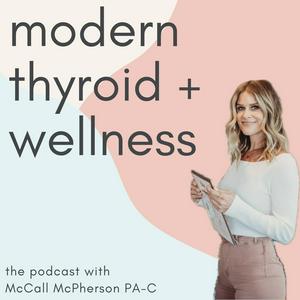
Unlock the latest insights into thyroid health and wellness with McCall McPherson, PA-C. Through expert interviews, personal stories, and actionable advice, this podcast dives deep into thyroid disorders, exploring how they impact everything from energy levels to mental clarity. Whether you're navigating your own thyroid journey or seeking cutting-edge solutions for optimal health, you'll find practical tips and holistic strategies to support your well-being. Join McCall as she empowers listeners to take control of their thyroid health and live a more vibrant life.
Podcast websiteListen to Modern Thyroid and Wellness, I Can’t Sleep and many other podcasts from around the world with the radio.net app
Get the free radio.net app
- Stations and podcasts to bookmark
- Stream via Wi-Fi or Bluetooth
- Supports Carplay & Android Auto
- Many other app features
Get the free radio.net app
- Stations and podcasts to bookmark
- Stream via Wi-Fi or Bluetooth
- Supports Carplay & Android Auto
- Many other app features

Modern Thyroid and Wellness
Scan code,
download the app,
start listening.
download the app,
start listening.
 New Zealand
