

Listen to this podcast in the app for free: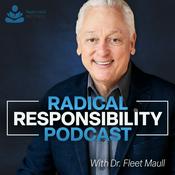 Download for free in the App Store
radio.net
Sleep timer
Save favourites
202 episodes
Eric Zimmer┃How a Little Becomes a Lot: The Small Choices That Transform Your Life
30/09/2026 | 1h 19 mins.What if lasting change isn't about reinventing yourself overnight—but learning how to make the next good choice?
In this conversation, Fleet sits down with author, teacher, and The One You Feed podcast creator Eric Zimmer for a deeply personal exploration of addiction, recovery, self-compassion, identity, and the mechanics of meaningful change.
Eric reflects on reaching a point in his twenties when he was homeless, severely addicted to heroin, physically ill, and facing the possibility of decades in prison. Entering long-term treatment mattered—but Eric explains that the real transformation came from the thousands of choices that followed. That experience ultimately shaped one of the central principles of his work: big breakthroughs may matter, but lasting change is built through accumulation.
Together, Fleet and Eric explore what radical responsibility looks like without falling into self-blame. Eric explains why understanding the causes and conditions that shaped us can coexist with taking ownership of what we do next—and why self-compassion isn't an excuse for avoiding change, but one of the conditions that makes learning and growth possible. They also discuss the inner critic, perfectionism, addiction, the power of identity, and Eric's belief that change itself is a skill set that can be learned.
The conversation ultimately comes back to a deceptively simple question: What's the next good thing you can do? Eric shares why starting small, choosing something you can actually succeed at, and building from there can turn three minutes of meditation—or one positive choice—into an entirely different way of living.
Memorable Quotes
“It’s not my fault that I’m the way I am, but I am completely responsible for it.” — Eric Zimmer
“Self-compassion [is] sort of a midpoint between self-acceptance and self-improvement.” — Eric Zimmer
“That is how a little becomes a lot.” — Eric Zimmer
“Change is a skill set. It is not character related.” — Eric Zimmer
Topics DiscussedRadical responsibility and personal agency
Eric's journey through addiction and recovery
Why transformation isn't a single breakthrough
Small choices and cumulative change
Self-compassion vs. self-criticism
Shame and the inner critic
Self-acceptance and self-improvement
Perfectionism and the 80–85% approach
Coaching yourself through resistance
Procrastination and lack of clarity
Self-doubt
Choice points
The One You Feed and the two-wolves parable
Addiction as a spectrum
Habits, rewards, and compulsive behavior
Learning to tolerate discomfort
Spiritual practice and basic goodness
Identity and behavior change
Recovery and 12-step programs
Why identities can be useful until they're not
Change as a learnable skill
Starting small
Building motivation through success
Acceptance and change
Resources Mentioned
How a Little Becomes a Lot: The Art of Small Changes for a More Meaningful Life
The One You Feed Podcast
12-Step RecoveryMeditation & Zen Practice
Connect with Eric Zimmer
Website:
https://www.oneyoufeed.net
Book:
How a Little Becomes a Lot: The Art of Small Changes for a More Meaningful Life
Podcast:
The One You Feed
Connect with Us
Instagram:
https://www.instagram.com/heartmindinstitute
Facebook:
https://www.facebook.com/heartmindinstitute
Facebook Group:
https://www.facebook.com/groups/hmisummitcommunityMichael Stone┃From Anxiety to Inner Trust: Learning to Meet Life Without Fear
24/09/2026 | 1h 10 mins.What if anxiety isn’t something we need to eliminate—but something we can learn to understand and work with differently?
In this conversation, Fleet sits down with NeuroDynamic Breathwork creator Michael Stone to explore anxiety, embodiment, and the unconscious patterns that can shape the way we experience the world. Michael shares his own journey from an anxious childhood and a deep need for control to discovering the hidden belief that had been influencing his life for decades.
Together, they explore the difference between useful and debilitating anxiety, why uncertainty and a lack of perceived control can intensify fear, and how breathwork can bring us out of looping thoughts and back into the body. Michael also shares practical approaches using gratitude, breath, trust, and surrender—and explains why learning to experience difficult emotions rather than continually avoiding them can create greater confidence in our ability to meet life.
Memorable Quotes
“Anxiety lives in the future.” — Michael Stone
“Feel it so you can heal it.” — Michael Stone
“The two basic concepts…are trust and surrender.” — Michael Stone
“It really doesn’t take long to change your state.” — Michael Stone
Topics DiscussedAnxiety and uncertainty
Adaptive vs. maladaptive anxiety
Radical responsibility
Childhood conditioning
Unconscious beliefs
The need for control
Rumination and catastrophizing
Embodiment
The default mode network
Nervous system regulation
NeuroDynamic Breathwork
Holotropic Breathwork
Emotional suppression and release
Trust and surrender
Inner guiding intelligence
Gratitude
Breathwork and expanded states
Moving from fear toward inner trust
Building confidence in our ability to handle life
Present-moment awareness
Daily practices for changing our state
Resources Mentioned
NeuroDynamic Breathwork: Michael's breathwork approach combines connected breathing, music, embodiment, and a non-directive process. He explains that the longer online experience includes preparation, approximately an hour of breathing, and an integration/share period.
Free NeuroDynamic Breathwork Sessions
Michael offers free live online sessions through his website, with multiple sessions available throughout the month.
Holotropic Breathwork
Michael discusses his earlier training in Holotropic Breathwork and how his experiences with the modality ultimately contributed to the development of NeuroDynamic Breathwork.
Gratitude Practice
During the conversation, Michael guides Fleet through a brief embodied gratitude practice designed to shift attention, posture, breathing, and emotional state.
Connect with Michael Stone
Website:
https://breathworkonline.com
Free Breathwork Session:
https://breathworkonline.com/free
Michael says NeuroDynamic Breathwork offers approximately 20 live online sessions each month at different times and encourages people interested in the practice to experience a session for themselves.
Connect with Us
Instagram:
https://www.instagram.com/heartmindinstitute
Facebook:
https://www.facebook.com/heartmindinstitute
Facebook Group:
https://www.facebook.com/groups/hmisummitcommunityDave Asprey┃From Survival to Human Upgrade: How Personalized Biohacking Can Transform Energy and Longevity
14/09/2026 | 54 mins.What if aging, energy, and performance are more programmable than we’ve been taught to believe?
In this conversation, Fleet sits down with Dave Asprey, widely recognized as the father of biohacking, to explore the future of longevity, human performance, and personalized health. Dave shares how his own struggles with obesity, chronic fatigue, and brain fog led him into decades of self-experimentation—and ultimately helped launch the biohacking movement.
Together, they explore mitochondrial health, gene therapy, cognitive resilience, personalized testing, and Dave’s evolving definition of biohacking as the ability to intentionally change your state. Dave also explains why one-size-fits-all health advice doesn’t work and why the future of biohacking will be deeply personalized to your biology and goals.
Key Timestamps
[00:00] Introduction
[02:33] Dave’s health crisis and the origins of his biohacking journey
[06:30] How biohacking evolved from controlling biology to changing your state
[11:19] What we’re getting wrong about aging and longevity
[14:09] Genetics, gene therapy, and how much of aging may be modifiable
[17:24] The metaphysical side of longevity and consciousness
[24:10] Why mitochondria are central to energy, aging, and regeneration
[30:00] The yak butter tea experience that inspired Bulletproof Coffee
[33:54] Coffee, cholesterol, and cardiovascular health
[44:22] The future of personalized biohacking and regenerative medicine
[45:12] Biohacking as the ability to intentionally shift your state
[48:50] Why one-size-fits-all health advice doesn’t work
[49:30] Where beginners should start—and why perfection isn’t necessary
Memorable Quotes
“The things that make old people young make young people powerful.” — Dave Asprey
“Biohacking is about changing your state.” — Dave Asprey
“What works for you is not what works for the person next to you.” — Dave Asprey
“Don’t worry about perfectionism. It just has to work.” — Dave Asprey
Topics Discussed
The origins and evolution of biohacking
Dave Asprey’s personal health transformation
Longevity and healthspan
The hallmarks of aging
Genetics and gene therapy
Personalized biohacking
Regenerative medicine
Mitochondrial health
Cellular energy and aging
Nutrition and metabolic health
The origins of Bulletproof Coffee
Coffee and cardiovascular health
Cholesterol and cardiovascular biomarkers
Cognitive performance and resilience
Meditation and consciousness
Ancient longevity traditions
The relationship between biology and spirituality
Intentionally shifting your state
Personalized testing
The future of human optimization
Why perfection isn’t necessary for meaningful change
Resources Mentioned
Head Strong
Dave’s book exploring mitochondrial health, cellular energy, and brain performance.
Super Human
Dave’s longevity-focused book exploring aging and strategies aimed at extending healthspan. Heavily Meditated
Dave’s book exploring meditation, neuroscience, and personal transformation.
40 Years of Zen
Dave’s neuroscience program focused on cognitive performance and personal transformation.
Upgrade Labs
Dave’s human performance and biohacking company.
Unlimited Life
Dave discusses the highly personalized longevity work being conducted with clients through this program.
AXO Health
A platform Dave discusses for lab testing and personalized, goal-oriented lifestyle recommendations.
Biocentrism — Robert Lanza
Connect with Dave Asprey
Website:
https://daveasprey.com
Podcast:
The Human Upgrade
Instagram:
https://www.instagram.com/dave.asprey
YouTube:
https://www.youtube.com/@DaveAspreyBPR
Upgrade Labs:
https://upgradelabs.com40
Years of Zen:
https://40yearsofzen.com
Connect with Us
Instagram:
https://www.instagram.com/heartmindinstitute
Facebook:
https://www.facebook.com/heartmindinstitute
Facebook Group:
https://www.facebook.com/groups/hmisummitcommunityAlisha Das┃Divine Guidance or Ego? How to Discern the Voice Within
08/09/2026 | 1h 3 mins.What if spiritual awakening isn't about escaping your humanity—but becoming grounded enough to hear something deeper within it?
In this conversation, Fleet sits down with angel expert, ordained minister, spiritual teacher, and author Alisha Das to explore angels, intuition, surrender, trauma, and the challenge of discerning genuine spiritual guidance from the voice of our own conditioning.
Raised in a highly scientific family and originally studying pre-med biology, Alisha describes having unusual intuitive and spiritual experiences from early childhood. Rather than seeing science and spirituality as opposites, she shares how decades of spiritual practice, psychology, and personal inquiry led her to an approach that embraces both skepticism and direct experience.
Together, Fleet and Alisha explore one of the great paradoxes of the spiritual path: How do we surrender to something greater while still taking radical responsibility for our lives? Alisha shares the remarkable story of Robert, a man who spent 24 years in prison and chose surrender rather than returning to violence—a decision she describes as simultaneously an act of divine grace and profound personal agency.
The conversation also examines spiritual bypassing and “spiritual materialism”—the ways our ego can co-opt even profound spiritual experiences. Alisha explains why trauma, emotional patterns, and psychological conditioning need to be addressed alongside spiritual practice, and offers a simple framework for evaluating inner guidance: Is it loving? Is it wise? Does it take us beyond our habitual fear and emotional reactivity?Ultimately, this episode is about much more than angels. It's an exploration of how we can remain open to mystery while cultivating discernment, reconnect with our innate goodness without making ourselves “special,” and allow spirituality to help us become more present, grounded, compassionate, and fully engaged with our lives.
Key Timestamps
Introduction — Alisha's background as an angel expert and spiritual teacher
Science Meets Spirituality — Growing up in a medical family and experiencing angels from childhood
Finding Your Divine Heritage — Why Alisha wants people to develop their own connection to the divine
Surrender & Radical Responsibility — Can personal agency and divine grace coexist?
Robert's Story — A life-or-death act of surrender inside Folsom Prison
What Does It Mean to Communicate With Angels? — Making sense of experiences beyond ordinary thought
Our “Angelic Nature” — Connecting with goodness, compassion, service, and divinity within ourselves
Divine Guidance or Ego? — How to tell genuine intuition from fear, conditioning, and wishful thinkingPsychology, Trauma & Spirituality — Why inner healing and spiritual practice need to work together
The Danger of Spiritual Materialism — When spiritual experiences become another way for the ego to feel special
Why Spirituality Should Make Us More Grounded — “Chop wood and carry water”
Presence Beyond Words — What Alisha learned from conversations with spiritual leaders
Spiritual Connection as a Path of Healing — Integrating psychological and spiritual approaches
The Biggest Misconception About Angels — Why Alisha says angelic experiences may be subtler than we expect
Your Angelic Ancestry — Alisha's book, resources, and Live Your Love podcast
Memorable Quotes
“Our mind is a great servant, a terrible master.” — Alisha Das
“For a tree to go taller, it has to sink its roots deeper.” — Alisha Das
“Ordinariness is the prior condition to God.” — Alisha Das, quoting her teacher
“It’s all an inside job.” — Robert, as shared by Alisha Das
Topics Discussed
Angels and angelic communication
Divine guidance
Intuition and discernment
Surrender vs. personal agency
Radical responsibility
Innate goodness and divine nature
Science and spirituality
Childhood spiritual experiences
Trauma and psychological healing
Spiritual bypassing
Spiritual materialism
Ego and spiritual identity
Guardian angels and archangels
Eastern and Western spiritual traditions
Buddhism and non-duality
Grace and free will
Inner guidance
Grounded spirituality
Love and higher consciousness
Healing through spiritual connection
Resources Mentioned
Your Angelic Ancestry By Alisha Das
Alisha's book explores what she describes as our angelic heritage and how connecting with the angelic realm can help us remember our own divine nature.
Live Your Love Podcast Hosted by Alisha Das
Inside Circle Foundation - Discussed through Alisha's story of Robert and the transformational work he began while incarcerated.
Connect with Alisha Das
Website:
https://alishadas.com
Book: Your Angelic Ancestry
Podcast: Live Your Love
Connect with Us
Instagram:
https://www.instagram.com/heartmindinstitute
Facebook:
https://www.facebook.com/heartmindinstitute
Facebook Group:
https://www.facebook.com/groups/hmisummitcommunityDr. Ameet Aggarwal┃Breaking the Cycle of Stress: Healing the Body, Mind & Ancestral Trauma
02/09/2026 | 1h 7 mins.What if anxiety, burnout, and chronic stress aren’t isolated problems—but interconnected signals pointing toward something deeper?
In this conversation, Fleet sits down with naturopathic doctor and psychotherapist Dr. Ameet Aggarwal to explore his holistic approach to understanding the relationship between our physical health, nervous system, emotions, and unresolved trauma. Drawing from his own childhood experiences and years of working with patients, Ameet explains why he believes lasting healing requires looking beyond symptoms to understand what may be happening throughout the entire mind-body system.
Together, they explore what Ameet calls the five pillars of health: the gut, liver, adrenal system, childhood and emotional trauma, and ancestral or family-system trauma. Ameet explains the connections he sees between chronic stress, digestive health, inflammation, burnout, and emotional wellbeing—and why he combines naturopathic medicine with psychotherapy rather than treating the mind and body separately.
The conversation also dives into family constellations therapy and the possibility that some of the emotional patterns we carry may be connected to unresolved experiences within our family systems. Ameet shares his perspective on homeopathy, emotional healing, and the body-mind connection before guiding Fleet through two practical exercises: alternate nostril breathing and a powerful “permission to feel” practice designed to help us stop fighting difficult emotions and create greater choice within the nervous system.
Key Timestamps:
[00:00:00] Introduction and Ameet’s journey from childhood trauma to holistic medicine
[00:06:00] How childhood experiences can shape the nervous system, beliefs, and perception
[00:10:00] The gut-brain connection and Ameet’s approach to mental and physical health
[00:17:00] Chronic stress, burnout, the adrenal system, and emotional eating
[00:23:00] Ameet’s five pillars of health and breaking the negative cycle of stress
[00:30:00] Why Ameet combines psychotherapy with naturopathic and functional wellness
[00:36:00] Family constellations and exploring inherited family trauma
[00:45:00] Homeopathy: its principles and how Ameet incorporates it into his practice
[00:56:00] The mind-body connection, the vagus nerve, and nervous system regulation
[01:02:00] Alternate nostril breathing for calming the nervous system
[01:06:00] The “permission to feel” emotional healing exercise
[01:12:00] Ameet’s retreats, courses, and resources for continued learning
Memorable Quotes:
“Our childhood experiences are literally programming our entire perception of reality.” – Dr. Ameet Aggarwal
“Healing the mind and the body together is essential for well-being.” – Dr. Ameet Aggarwal
“Give yourself permission to explore the entire spectrum of human experience.” – Dr. Ameet Aggarwal
Topics Discussed
The mind-body connection
Anxiety and chronic stress
Nervous system regulation
Childhood trauma
Ancestral and family trauma
Family constellations therapy
Gut health and the gut-brain connection
Liver health
Burnout and adrenal health
Chronic inflammation
Emotional eating
Functional and naturopathic medicine
Homeopathy
Gestalt psychotherapy
EMDR
The vagus nerve
Alternate nostril breathing
Emotional healing
The “permission to feel” practice
Creating positive cycles of health and wellbeing
Resources Mentioned
Dr. Ameet Aggarwal’s Website:
https://drameet.com
Ameet offers free educational videos and masterclasses on gut healing, liver health, homeopathy, trauma healing, and family constellations through his website.
Heal Your Body, Cure Your Mind By Dr. Ameet Aggarwal
Ameet also offers online courses in holistic medicine, homeopathy, and family constellations therapy, along with transformational retreats in locations including Kenya and Europe.
Connect with Dr. Ameet Aggarwal
Website:
https://drameet.com
Connect with Us
Instagram:
https://www.instagram.com/heartmindinstitute
Facebook:
https://www.facebook.com/heartmindinstitute
Facebook Group:
https://www.facebook.com/groups/hmisummitcommunity
More Education podcasts
 Know ThyselfEducation, Self-Improvement
 anything goes with emma chamberlainEducation, Personal Journals, Self-Improvement, Society & Culture
 6 Minute EnglishEducation, Language Learning
 Keep The ChangeBusiness, Education, Self-Improvement
 SOLVED with Mark MansonEducation, Self-Improvement
 All Ears English PodcastBusiness, Education, Language Learning
 Learning English ConversationsEducation, Language Learning
 Stand Up AgainEducation, Health & Wellness, Mental Health, Self-Improvement
 Good Life ProjectBusiness, Education, Health & Wellness, Self-Improvement, Tutorials
 The Mel Robbins PodcastEducation, Health & Wellness, Mental Health, Relationships, Self-Improvement, Society & Culture
Trending Education podcasts
 Easy German: Learn German with native speakers | Deutsch lernen mit MuttersprachlernCourses, Education, Language Learning
 Kiwi English BoosterEducation
 Align with Jenna Zoe: The Human Design PodcastEducation, Life Sciences, Religion & Spirituality, Science, Self-Improvement, Spirituality
 Dreaming Spanish Podcast – Chats in Beginner SpanishEducation, Language Learning
 IELTS Energy English 7+Education, Language Learning
 The Art of AccomplishmentBusiness, Education, Health & Wellness, Management, Mental Health, Self-Improvement
 Duolingo Spanish PodcastEducation
 Aware and AggravatedEducation, Health & Wellness, Mental Health, Self-Improvement
 Learning English from the NewsEducation, Language Learning
 Japanese podcast for beginners (Nihongo con Teppei)Education, Language Learning
 This Naked Mind PodcastEducation, Self-Improvement
 The Dr. Lee Warren PodcastChristianity, Education, Health & Wellness, Life Sciences, Mental Health, Religion & Spirituality, Science, Self-Improvement
 潘吉Jenny告诉你|学英语聊美国|开言英语 · PodcastEducation, Language Learning
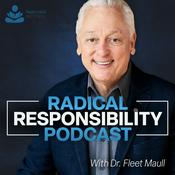
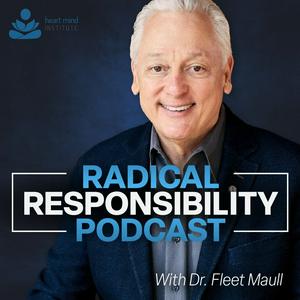
About Radical Responsibility Podcast
The Radical Responsibility Podcast, hosted by Dr. Fleet Maull, explores personal growth, emotional healing, and transformation through evidence-based insights into mental health, mindfulness, and innovative wellness practices. Each episode provides practical tools to help listeners break through emotional barriers, manage stress, and cultivate inner peace. Covering topics from psychedelics to global healing, the podcast blends research-backed methods with compassionate guidance for those seeking deeper self-awareness and lasting, positive change.
Podcast websiteListen to Radical Responsibility Podcast, Know Thyself and many other podcasts from around the world with the radio.net app
Get the free radio.net app
- Stations and podcasts to bookmark
- Stream via Wi-Fi or Bluetooth
- Supports Carplay & Android Auto
- Many other app features
Get the free radio.net app
- Stations and podcasts to bookmark
- Stream via Wi-Fi or Bluetooth
- Supports Carplay & Android Auto
- Many other app features

Radical Responsibility Podcast
Scan code,
download the app,
start listening.
download the app,
start listening.
Radical Responsibility Podcast: Podcasts in Family
 New Zealand