
Listen to this podcast in the app for free: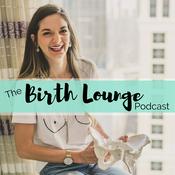 Download for free in the App Store
radio.net
Sleep timer
Save favourites
485 episodes
Ep. 495: Pitocin in Labor: 5 Things to Know Before It’s Hooked Up to Your IV
21/10/2026 | 19 mins.Pitocin is one of the most commonly used drugs in labor, but how much do you actually know about it before someone asks you to start it? It’s not about being for or against Pitocin. It’s about understanding what it does, how it works differently from your body’s natural oxytocin, and what questions you should be asking before it’s hooked up to your IV.
In this episode, HeHe breaks down five things every pregnant person should understand about Pitocin, from dosing limits and contraction intensity to induction timing and whether the medication can be turned down or off. She explains why synthetic oxytocin doesn’t work quite like the oxytocin your body produces naturally, why the timing of an induction matters, and why how Pitocin is used can make a big difference in your birth experience. She also explores concerns around high or prolonged dosing and how Pitocin may affect oxytocin receptors, including their role in postpartum hemorrhage treatment.
Practice your birth decisions before you’re in labor with the Labor Live Challenge: https://joinlaborlive.com
The goal isn’t to make you afraid of Pitocin. It’s a tool that can be incredibly useful when it’s needed! But you deserve to understand the benefits, risks, alternatives, and options before making a decision. Knowing about Pitocin is one thing. Feeling prepared to navigate that conversation when you’re in labor is another. HeHe shares how to take that next step with the Labor Live Challenge and her free Pitocin Guide, so you can walk into birth with more than a vague memory of something you heard on a podcast.
Get HeHe’s free Pitocin Guide: https://www.thebirthlounge.com/pitocin
IN THIS EPISODE
Why does synthetic Pitocin confuse your body’s natural oxytocin feedback, and what happens when it ramps up faster than your brain can register?
What do the FDA’s dosing recommendations actually say, and how do you find out if your hospital’s policy follows them?
Why can Pitocin lead to contractions that are too close, too hard, and too fast, and how does your baby handle that?
Why does the timing of an induction matter, and what do prostaglandins have to do with it before Pitocin ever enters the picture?
Can you really turn Pitocin down or off, and when is that a smart conversation versus one HeHe says isn’t advised?
How can too much Pitocin in labor affect your receptors, and why does that matter if you ever need help with a postpartum hemorrhage?
Why does knowing all of this still leave a gap, and what is the difference between information and preparation?
CHAPTERS
00:00 Pitocin Can Be Adjusted
01:08 Why Providers Simulate Births
02:44 Introducing Labor Live
04:15 Pitocin Episode Kickoff
04:35 Pitocin vs Natural Oxytocin
06:58 FDA Limits and Hospital Policies
08:35 Timing Pitocin in Induction
10:07 Turning Pitocin Down or Off
12:44 High Doses and Hemorrhage Risk
14:41 Practice for Birth ConfidenceEp. 494: Allowed to Birth: Who Decides What You're "Allowed" to Do in Labor? Breech, VBAC, and Birth Advocacy
16/10/2026 | 2h 54 mins.What does it actually mean to be allowed to give birth a certain way? And who gets to decide? Spoiler: it shouldn't come down to hospital policy, a provider's comfort level, or skills they were never taught in the first place.
In this episode of The Birth Lounge Podcast, HeHe dives deeper into Allowed to Birth, the documentary challenging the way we think about birth, autonomy, and the options parents are offered. From breech birth and VBAC to ultrasound, midwifery, and the fear that can shape the entire birth experience, this conversation gets into what happens when the system's limitations become your limitations. Plus, HeHe introduces the Labor Live Challenge, a three-day live birth simulation starting November 1, where you can practice making decisions, advocating for yourself, and navigating the unexpected before you're in the birth room. Sign up at joinlaborlive.com
You'll hear from experts featured in the film, including an OB/GYN who traveled to Germany to learn upright, physiologic breech birth skills; a certified nurse-midwife making the case for evidence-based care and real collaboration between midwives and OBs; and a midwife and sonographer unpacking how ultrasound can be a helpful tool without turning every finding into a reason to panic. The conversation also explores the global shortage of midwives, the difference between regulation and safety, and how fear affects the body's response to labor. Because information should help you feel more prepared, not more terrified.
The takeaway? You deserve options, honest conversations, informed consent, and a care team that respects your voice. This isn't about saying every birth option is right for every person. It's about making sure your choices are based on your individual circumstances, good information, and actual conversations, not fear or someone else's assumptions about what you're "allowed" to do.
In this episode:
Why birth options can depend on provider training, hospital policies, and the skills available in your area
What an OB/GYN learned while pursuing upright, physiologic breech birth training in Germany
How fear, litigation concerns, and gaps in training can influence breech birth and VBAC access
Why hands-on skills and true collaboration between OBs and midwives matter
How to approach ultrasound as a tool for information and planning, without treating every result as a worst-case scenario
The difference between understanding a baby's size or position and using those findings to fuel unnecessary fear
Why the global midwife workforce gap matters for families seeking more options
How regulation, access, and safety intersect in maternity care
What fear does to the body during labor, including the roles of adrenaline and oxytocin
How language and frightening messaging can shape the birth experience
Why hypnobirthing isn't about being hypnotized or magically having a pain-free birth
How partners can help you practice advocacy and prepare for decisions before labor begins
Why knowing your options is important, but practicing how to navigate them can make all the difference
Explore Allowed to Birth and find screening information: https://allowedtobirth.com
Practice your birth decisions before you're in labor with Labor Live: https://joinlaborlive.com
Explore The Birth Lounge: https://www.thebirthlounge.com/
Timestamps
00:00 Reclaim Your Power
01:23 Birth Simulation Idea
03:00 Labor Live Challenge
04:30 Allowed to Birth Setup
06:04 Breech Twins and VBAC Limits
11:19 An OB/GYN Trains in Germany
15:47 Why Breech Birth Is Limited in the U.S.
21:46 The Importance of Hands-On Breech Skills
24:16 Demanding Better Birth Options
33:44 What Does "Allowed" Really Mean?
35:39 Meet Midwife Whitney
38:47 Evidence-Based Hospital Birth
45:39 Collaboration and Accountability
48:46 Building Trust Around VBAC
50:04 Doulas and Team Culture
51:53 Gaps in Hospital Training
52:49 Redefining What's "Allowed"
54:17 Technology vs. Intuition
56:56 Ultrasound Safety Basics
01:00:13 Scan Limitations and Errors
01:08:25 Fearmongering Around a "Big Baby"
01:11:21 Ultrasound as a Planning Tool
01:15:52 Lineage, Trauma, and Power
01:22:33 Balancing Tools and Change
01:25:25 Non-Toxic Baby Gifts
01:27:34 Data vs. Certainty
01:30:37 The Reality of Emergency Planning
01:36:43 Ultrasound Limitations and Fear
01:44:38 Birth, Permission, and Autonomy
01:50:43 The Goal of One Million Midwives
01:58:45 Regulation vs. Safety
02:07:18 The Fear Response in Labor
02:11:30 How Words Can Trigger Fear
02:12:17 Adrenaline vs. Oxytocin
02:15:24 Induction and the Cascade of Interventions
02:18:35 Learning About Birth Without Fear
02:20:34 Hypnobirthing, Reframed
02:26:11 Debunking Hypnosis Myths
02:30:56 The Partner's Role and Practicing Advocacy
02:34:47 Planning Birth Decisions Ahead of Time
02:38:49 Who Decides What's "Allowed"?
02:45:45 Film Takeaways and Final Call
02:51:21 Inside the Labor Live Simulation
02:53:30 Final Wrap and Outro
Guests:
Dr. Bradley Meyer:
https://www.breechwithoutborders.org/bradley/
Whitney Pinger:
https://wisdommidwifery.com/about
Amariee Collins:
https://radicle.my.canva.site/
Zulgeil "Zul" Ruiz-Ginés, LM:
https://kibimidwifery.org/about-the-team
Katharine Graves:
https://www.kghypnobirthing.com/us/hypnobirthing-online-course
SOCIAL MEDIA:
Connect with HeHe on Instagram: https://www.instagram.com/tranquilitybyhehe/
BIRTH EDUCATION:
Learn how to stay in control of your birth and reduce the risk of unnecessary interventions in our Avoid a C-Section Webinar. HeHe breaks down the cascade of interventions, explains what’s really happening in the hospital, and shares practical strategies to protect your birth plan, advocate for yourself, and navigate labor with confidence. Perfect for anyone who wants a positive, informed hospital birth experience: https://www.thebirthlounge.com/csection
Feeling nervous about speaking up in labor? Our Scripts for Advocacy give you the exact words to handle the most common conversations that can make or break your birth experience. From declining unnecessary interventions to asking the right questions about procedures, these scripts empower you to stay in control, speak confidently, and protect your birth plan — even when the pressure is on. Think of it as your personal toolkit for advocating like a pro, so you can focus on your baby, not the stress: https://www.thebirthlounge.com/Scripts-for-Advocacy
And if you haven’t grabbed it yet…
Snag my free Pitocin Guide to understand the risks, benefits, and red flags your provider may not be telling you about, so you can make informed, powerful decisions in labor: https://www.thebirthlounge.com/pitocin
Join The Birth Lounge for judgment-free, evidence-based childbirth education from HeHe that shows you exactly how to navigate hospital policies, avoid unnecessary interventions, and have a trauma-free labor experience, all while feeling wildly supported every step of the way: https://www.thebirthlounge.com/
Want prep delivered straight to your phone?
Download The Birth Lounge App for bite-sized birth and postpartum tools you can use anytime, anywhere: https://www.thebirthlounge.com/app
LINKS MENTIONED:
HeHe’s go-to gift is the Primally Pure Baby Bundle! After having Saggy, these became products she actually uses at home, from the baby balm and bath bar to the baby oil and powder. Want to gift a new parent some simple baby-care staples? Head to primallypure.com and use code HEHE for 10% off your order.
This episode contains affiliate links, which means HeHe may earn a commission if you purchase through her link, at no extra cost to you.Ep. 493: Allowed to Birth, The Documentary Changing How We Talk About Maternity Care with Jacinta Lagos
14/10/2026 | 57 mins.Birth changes you. The real question is whether you come out the other side feeling strong, supported, and like your voice actually mattered, or like it never did.
In this episode HeHe sits down with Jacinta Lagos, Argentinian-born filmmaker, birth photographer, and director of the documentary Allowed to Birth: The Journey of a Global Midwife, right after attending the film's premiere. Jacinta built the film after years of watching obstetric violence, disrespectful care, and hospital policy get put ahead of the person actually giving birth, and she wanted to do something bigger about it than another social post.
Knowing what's possible in your birth is one thing, actually practicing it before you're in the room is another. That's exactly what the Labor Live Challenge is built for, a three day live birth simulation you can do every single month: https://joinlaborlive.com/
Jacinta and HeHe get into the real story behind the documentary, from how midwife Kristine Lauria became the center of the film (including the triplet home birth that changed the entire shape of the project) to why Jacinta deliberately chose a cast with no political overlap, because birth doesn't have a side. They talk about the unexpected reactions she's gotten on the road, including a nurse-midwife who told her she felt threatened by the film, and what that reaction actually revealed. And they're both clear about one thing: this isn't an anti-hospital or pro-home-birth film. It's a film about informed choice.
In this episode:
Why birth is a pivotal life transition, and why feeling safe, supported, and autonomous matters long after your baby arrives
The Labor Live Challenge and why practicing birth decisions before labor can help you actually feel prepared, not just informed
What inspired Jacinta to create Allowed to Birth after witnessing obstetric violence, disrespect, and hospital policies overriding patient choice
Why midwife Kristine Lauria became central to the film, and what the triplet home birth she caught on camera did to the shape of the whole project
How Jacinta chose her cast, and why she was intentional about pulling people from every corner of the political spectrum
The unexpected reactions from screenings, including a provider who said the film made her feel threatened
Why this isn't an anti-hospital or pro-home-birth documentary, but a conversation about informed choice
Where to find a screening, how to host your own, and when the film is coming online
If you want to feel ready instead of just informed, go practice your birth before you're actually in it: https://joinlaborlive.com/
If this episode moved you, rate and review the show. It's the number one way other parents find it.
CHAPTERS
00:00 Birth Changes You
00:31 Practice Labor Live
02:27 Allowed to Birth Premiere
08:00 Why Jacinta Made It
23:00 Truly Free
26:36 Screenings and Pushback
35:27 System Failing Mothers
36:02 Premiere Speech Highlights
39:07 Choosing the Interviewees
44:07 Film Impact and Alternatives
49:11 How to Watch and Final Wrap
GUEST BIO
Jacinta Lagos is an Argentinian-born filmmaker, birth photographer, and videographer based in the United States. A former doula and mother of three, she is the director of Allowed to Birth: The Journey of a Global Midwife, marking her debut as a feature filmmaker. The documentary follows midwife Kristine Lauria and explores birth practices, maternal autonomy, and the importance of physiological birth, built as a tool for education and advocacy around informed choice in maternity care.
CONNECT
HeHe on Instagram: https://www.instagram.com/tranquilitybyhehe/
The Birth Lounge on Instagram: https://www.instagram.com/the.birth.lounge/
Allowed to Birth: https://www.allowedtobirth.com/
Allowed to Birth on Instagram: https://www.instagram.com/allowedtobirth/
TRULY FREE
This episode contains an affiliate link, which means HeHe may earn a commission if you purchase through it at no extra cost to you. After going down the laundry detergent rabbit hole, HeHe landed on Truly Free, a plant-based, dye-free option that comes completely unscented and actually gets the job done. Because baby clothes, sheets, and approximately a million loads of family laundry deserve a detergent that checks all the boxes. One box lasts for months, too! Head to trulyfreehome.com and use code HEHE to save on your order.
KEEP LEARNING WITH HEHE
Download The Birth Lounge app for evidence-based childbirth education and data-driven postpartum support delivered straight to your phone: https://www.thebirthlounge.com/app
LINKS MENTIONED
Watch or host a screening of Allowed to Birth: https://www.allowedtobirth.com/
Practice your birth with the Labor Live Challenge: https://joinlaborlive.com/
Truly Free (use code HEHE): https://www.trulyfreehome.com
Allowed to Birth on Instagram: https://www.instagram.com/allowedtobirth/
The Birth Lounge app: https://www.thebirthlounge.com/app
LISTEN NEXT
Ep. 492: Kristine Lauria on Allowed to Birth, Informed Consent, and the Fight to Preserve Midwifery Skills (HeHe references this one directly in the episode as last week's conversation): https://youtu.be/OvNC_N8Y0IgEp. 492: Are You Actually Allowed to Birth the Way You Want?
09/10/2026 | 1h 9 mins.Are you actually allowed to say no in the birth room? Kristine Lauria has spent her career helping women understand that birth is not something that should require permission.
HeHe sits down with Kristine, an internationally recognized midwife, educator, author and birth advocate known for her expertise in physiological breech birth, to talk about informed consent, autonomy, and what happens when the birth you planned runs into the rules and routines of the system. They unpack why women can feel like they have to ask permission to eat, move, labor in a certain position, or make decisions about their own care, and how to build a birth team that actually supports your goals.
The conversation goes deeper into the medicalization of birth, the loss of clinical skills like physiological breech and vaginal twin birth, and why Kristine believes birth should be understood as a normal physiological process that sometimes needs medical support. She and HeHe also talk about freebirth, choosing a provider and birth setting based on your own goals rather than fear, and what makes New Zealand's collaborative model of midwives and physicians so different.
In this episode:
What does “Allowed to Birth” actually mean?
Why do so many women feel like they need permission in the birth room?
What informed consent and true autonomy can look like in practice
How hospital policies can conflict with a patient's wishes
What a “bait and switch” can look like when the birth plan meets the reality of labor
Why skills like breech birth and vaginal twin birth are becoming increasingly rare
What happens to your options when providers aren't trained in different types of birth
Freebirth, autonomy and making decisions without fear
How to choose a birth team and setting that actually align with your goals
Why Kristine points to New Zealand as an example of collaborative maternity care
The difference between supporting normal birth and being prepared when medical intervention is actually needed
If you want the actual words to use when you're advocating for yourself in the birth room, grab Scripts for Advocacy here: https://www.thebirthlounge.com/Scripts-for-Advocacy
If this episode helped you, rate and review the show. It's one of the best ways to help other parents find the podcast.
CHAPTERS
00:00 Birth Beyond Medicine
00:56 The New Baby Sleep Guide
06:06 Why This Episode, Informed Consent
11:02 Meet Kristine And The Documentary
17:56 What Allowed To Birth Really Means
34:48 A Freebirth Reality Check
37:14 Autonomy Without Fear
40:15 Choosing The Right Birth Team
43:30 Hospital Policies And Real Consent
53:12 Fixing Birth Culture Worldwide
58:24 Patriarchy And Provider Ego
01:03:27 Birth, Power, And Gratitude
01:04:11 How To Watch The Film
01:05:58 Trusting Your Intuition In Birth
01:07:28 Final Links And Wrap-Up
GUEST BIO
Kristine Lauria is an internationally recognized midwife, educator, author, and birth advocate. Renowned for her expertise in physiological breech birth, she has dedicated her career to preserving and teaching clinical skills that support safe, individualized care for mothers and babies. A sought-after international speaker and educator, Kristine has trained midwives and physicians around the world, helping to revitalize knowledge and hands-on skills that are increasingly rare in modern maternity care. She is featured in the award-winning documentary Allowed to Birth, The Journey of a Global Midwife, which explores informed choice, the sacred nature of birth, and the preservation of the art of midwifery.
CONNECT
HeHe on Instagram: https://www.instagram.com/tranquilitybyhehe/
Kristine's website: https://www.allowedtobirth.com/
Kristine's website: https://www.kristinelauria.com/
Kristine on Instagram: https://www.instagram.com/globalmidwife64/
Allowed to Birth on Instagram: https://www.instagram.com/allowedtobirth/
KEEP LEARNING WITH HEHE
Baby hit four months and sleep went sideways? HeHe's Baby Sleep Solutions Guide covers exactly that, grab it here: https://www.thebirthlounge.com/babysleep
LINKS MENTIONED
Scripts for Advocacy: https://www.thebirthlounge.com/Scripts-for-Advocacy
Baby Sleep Solutions Guide: https://www.thebirthlounge.com/babysleep
Kristine's website: https://www.allowedtobirth.com/
Kristine's website: https://www.kristinelauria.com/
Kristine on Instagram: https://www.instagram.com/globalmidwife64/
Allowed to Birth on Instagram: https://www.instagram.com/allowedtobirth/
Affiliates Mentioned (HeHe may earn a small commission when you use her link): Lalo Beautiful, minimalist baby gear that actually works for real life. From their travel-friendly Hook-On High Chair to their durable, design-forward Play Kit, Lalo creates pieces that grow with your family and look good doing it. Head to https://www.meetlalo.com/ and use code HEHE to save.Ep. 491: How to Actually Be the Village for Your Postpartum Friend
07/10/2026 | 38 mins.Your friend just had a baby and you have no idea what to actually do. Same.
HeHe is recording this one late at night in the thick of the 8 to 10 month growth spurt with her own son Saggy, and it got her thinking about something she has never actually sat down and mapped out for you guys: what does showing up for a postpartum friend actually look like, in practice, not just in theory.
This episode gives you the real playbook, but the next question is always what do I actually do when I walk in the door, and that's exactly what HeHe's new Baby Sleep Solutions Guide is built for too, giving you a concrete plan instead of vague advice: https://www.thebirthlounge.com/babysleep
HeHe breaks down the difference between her pre baby support style (packing a suitcase and living with her postpartum friends, no joke) and what she does now that she has her own kid at home, plus the exact mental checklist she runs before showing up: do they want company or space, do they want you holding the baby or doing their dishes, and how to offer help without making it weird.
In this episode:
What HeHe actually used to do when a bestie had a baby (here's a hint, it involved a suitcase)
The one thing you should never do when you walk into a postpartum friend's house, even if you mean well
How to run a meal train that doesn't backfire and leave a family drowning in lasagna
Why checking in from far away matters just as much as showing up in person, and the exact apps and habits that make it easy
When sharing your own experience helps a new mom, and when it crosses into advice she didn't ask for
The one thing in every hospital bag that saved HeHe's nipples twice, once from a tongue tie and once from teething
If you have ever stood outside a friend's door with a casserole wondering if you're about to overstep, this episode is your permission slip and your plan. Grab the Baby Sleep Solutions Guide here: https://www.thebirthlounge.com/babysleep
If this episode helped you, rate and review the show. It's the number one way other parents find it.
CHAPTERS
00:00 Show Up As The Village
00:52 A Very Late Night Life Update
01:43 The New Baby Sleep Guide Is Here
05:44 Where This Episode Idea Came From
07:02 What HeHe Used To Do, Pre Baby
08:56 How To Help Without Holding The Baby
11:37 Meals And Meal Trains Done Right
14:58 The Silverette Fix For Nipple Pain
17:54 Checking In When You Can't Show Up In Person
26:06 Knowing Your Role And Final Thoughts
CONNECT
HeHe on Instagram: https://www.instagram.com/tranquilitybyhehe/
The Birth Lounge on Instagram: https://www.instagram.com/the.birth.lounge/
SILVERETTE
This episode contains an affiliate link. If you purchase through it, HeHe may earn a commission at no extra cost to you. If you're planning to breastfeed, Silverette cups are a registry must. HeHe used hers for cracked, bleeding nipples from her son's tongue tie, and again months later for teething bites, and both times they were a lifesaver. They're real silver and a one time investment that lasts through every baby you have. Grab them at https://www.silveretteusa.com and use code HEHE for 10% off.
KEEP LEARNING WITH HEHE
Want prep delivered straight to your phone? Download The Birth Lounge App for bite-sized birth and postpartum tools you can use anytime, anywhere: https://www.thebirthlounge.com/app
LINKS MENTIONED
Baby Sleep Solutions Guide: https://www.thebirthlounge.com/babysleep
Silverette cups (use code HEHE): https://www.silveretteusa.com
More Education podcasts









Trending Education podcasts



















About The Birth Lounge Podcast
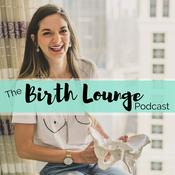
We’re exploring option from conception to childhood to help women take control of their fertility, birth experience, postpartum healing, and motherhood journey! This is a safe space for all parents to hear what the experts have to say and to hear from influencer parents and their take on parenthood! Join us for all things birth and parenthood for an empowering and educational walk with a birth and newborn expert and the found of Tranquility by HeHe Maternity Concierge, HeHe Stewart.
Podcast websiteListen to The Birth Lounge Podcast, The Mel Robbins Podcast and many other podcasts from around the world with the radio.net app
Get the free radio.net app
- Stations and podcasts to bookmark
- Stream via Wi-Fi or Bluetooth
- Supports Carplay & Android Auto
- Many other app features
Get the free radio.net app
- Stations and podcasts to bookmark
- Stream via Wi-Fi or Bluetooth
- Supports Carplay & Android Auto
- Many other app features

The Birth Lounge Podcast
Scan code,
download the app,
start listening.
download the app,
start listening.
 New Zealand