
Listen to this podcast in the app for free: Download for free in the App Store
radio.net
Sleep timer
Save favourites
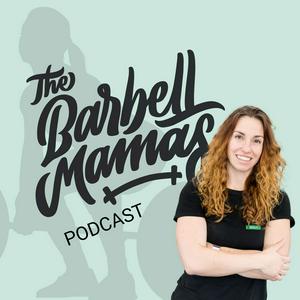
The Barbell Mamas Podcast | Pregnancy, Postpartum, Pelvic Health
Christina Prevett
Latest episode
183 episodes
Do Women Need Different Training?
21/10/2026 | 28 mins.Cycle syncing, “women aren’t small men,” and female-specific workout plans have exploded online, but the science and the practical reality are messier than the reels make it seem. We’re breaking down what’s useful, what’s overhyped, and what can accidentally push a fragility narrative that makes active women feel like they need endless rules just to train.
We talk through the difference between choosing women as your audience versus claiming women must train with totally different programming. We also zoom out to the history of exercise research, why so much data leaned male, and how the pendulum swung from under-including women to overselling cycle-based prescriptions. If you’ve been told to lift heavy only in one phase, avoid intensity in another, or plan your whole training year around ovulation, you’ll want this evidence-based reset.
From there, we get practical. Your menstrual cycle symptoms, stress, sleep, mental health, and gynecological conditions like endometriosis can absolutely change how training feels and what you can tolerate. That’s where good coaching lives: specificity, progressive overload, recovery, and flexible modifications. We also cover key female health considerations that do deserve extra attention, including underfueling risk, pregnancy and postpartum training modifiers, the complexity of postpartum return to running, and menopause conversations with a clearer focus on bone health and impact training.
If this helped you sort nuance from noise, subscribe, share it with a training partner, and leave a review so more active women can find it. What part of your training have you been told you “should” change because you’re a woman?
___________________________________________________________________________
Don't miss out on any of the TEA coming out of the Barbell Mamas by subscribing to our newsletter
You can also follow us on Instagram and YouTube for all the up-to-date information you need about pelvic health and female athletes.
Interested in our programs? Check us out here!Running While Pregnant
14/10/2026 | 27 mins.A nine-month pregnant athlete runs a 5:22 mile and the internet lights up. If that makes you feel inspired, skeptical, motivated, or weirdly pressured, you are not alone and that reaction is exactly why we wanted to talk about running during pregnancy with nuance instead of slogans.
We walk through why impact exercise is often the most variable part of prenatal training. Strength work and low-impact cardio are usually easier to modify, but running can reach a point where your body simply says “not today,” whether that shows up as urethral pressure, pelvic girdle pain, pubic symphysis pain, or just a growing sense that the cost is too high. From there, we break down six variables that can change how long running feels good: your running experience, injury history, your goals and desire, how many pregnancies you have had, your previous birth experience, and your pelvic floor health history before pregnancy.
Then we shift to what you can do now to set yourself up for postpartum return to running. We talk risk-benefit decision-making around pushing through symptoms, why impact tolerance matters for knees, hips, and shin splints after a long break from repetitive loading, and how lower-body strength supports the entire system around the pelvis while tissues heal. If you want a smarter, more individualized approach to prenatal running and postpartum running rehab, hit play, subscribe, and share this with a friend who needs permission to train without comparing. After you listen, leave a review and tell us what question you want answered next.
___________________________________________________________________________
Don't miss out on any of the TEA coming out of the Barbell Mamas by subscribing to our newsletter
You can also follow us on Instagram and YouTube for all the up-to-date information you need about pelvic health and female athletes.
Interested in our programs? Check us out here!The Internet Told Me To Rest So I Went Running
07/10/2026 | 25 mins.Running is supposed to feel harder in pregnancy, but what if it’s the only thing that makes you feel better? We dig into a handful of fit pregnancy questions pulled straight from Reddit and give you a grounded, pelvic floor PT lens on what’s normal, what’s a red flag, and what’s simply your body asking for a different plan.
We start with first trimester survival mode: why easy aerobic activity like jogging, walking, or cycling can sometimes reduce nausea and boost energy, and why lifting can feel great one day and make you want to puke the next. I also share a practical nuance athletes don’t hear enough: hard bracing and breath-holding can increase intra-abdominal pressure and may worsen queasiness for some people, so adjusting intensity and breathing can keep strength training on the table.
Then we zoom out to postpartum recovery after C-section and the common blanket advice to avoid high impact for 12 weeks. We break down incision healing, scar remodeling, and why progressive loading matters, plus the tradeoff that rarely gets discussed: the risk of doing nothing and letting your core and hips decondition. From there, we tackle brown spotting after lifting, increased discharge after workouts, and the most emotional one of all: crying because you can’t run. We talk about maintaining aerobic fitness with alternatives like zone 2 cycling, and separating “cardio readiness” from “impact tolerance” when planning a return to running postpartum.
If you found this helpful, subscribe, share it with a training partner or new mom, and leave a review so more active pregnant and postpartum athletes can find the show.
___________________________________________________________________________
Don't miss out on any of the TEA coming out of the Barbell Mamas by subscribing to our newsletter
You can also follow us on Instagram and YouTube for all the up-to-date information you need about pelvic health and female athletes.
Interested in our programs? Check us out here!Why Later Pregnancies Hit Different
23/09/2026 | 23 mins.Your second pregnancy feels harder and you can’t figure out why. The workouts that used to energize you now wipe you out, your symptoms show up sooner, and the mental loop of “I was doing so much more last time” won’t shut off. We’re naming what’s actually happening and why it’s normal, especially for active moms who care about training, strength, and feeling like themselves.
We walk through four big drivers that make later pregnancies feel different: your life logistics (because you’re parenting while pregnant), your recovery and interpregnancy window, the real physical changes after a prior pregnancy and delivery, and the role of age and accumulated life stress. I share how total load adds up fast, why intensity often needs to come down earlier than it did the first time, and how strength and conditioning between pregnancies can influence pelvic and hip symptoms. We also talk about abdominal wall recovery, pelvic floor sensations like heaviness and pressure, and why “my body has been here before” can make changes start earlier.
If you’ve been stuck in pregnancy guilt, mom shaming, or the highlight reel trap, this is your permission slip to choose grace and smarter training. Listen, then share this with a friend who’s comparing herself to pregnancy one, and leave a review if it helps you feel more grounded. What’s the biggest difference you’ve noticed this time around?
___________________________________________________________________________
Don't miss out on any of the TEA coming out of the Barbell Mamas by subscribing to our newsletter
You can also follow us on Instagram and YouTube for all the up-to-date information you need about pelvic health and female athletes.
Interested in our programs? Check us out here!Training For Hyrox With A Baby On Board
16/09/2026 | 20 mins.A nine-month pregnant athlete chasing a five-minute mile sounds unreal, but it’s a perfect doorway into a bigger question: how do we talk about pregnancy fitness without turning elite outliers into pressure for everyone else? I’m Christina Previtt, and I’m weighing the headlines, the physiology, and the real-life decision-making that active people face when they’re training with a bump and trying to keep their pelvic floor, joints, and nervous system on board.
We also get into the Hyrox moment that blew up online this week: a pro athlete finishing after a diarrhea accident, the internet labeling it “fecal incontinence,” and why that conclusion often misses the simplest explanation of all, a GI bug. Beyond the memes, there’s a serious conversation about athlete health, public hygiene, and whether Hyrox needs clearer rules for decontamination and disqualification when bodily fluids hit the floor during high-contact movements like burpee broad jumps.
Then we go practical and specific: what Hyrox actually is (run-station repeats), why it’s a surprisingly predictable competition to plan for during pregnancy, and what I’d screen first if you’re considering racing. We talk heart rate over an hour, hydration, pacing, belly support, burpee modifications, confidence under sled load, and the one station that may be a deal-breaker if pelvic girdle pain shows up. On the postpartum side, we map Hyrox back to return-to-running principles, strength rebuild, and realistic timelines based on your birth story so you can train for longevity, not just a finish time.
Subscribe for more pregnancy and postpartum training conversations, share this with a Hyrox-curious friend, and leave a review if it helps. What part of Hyrox feels hardest to navigate during pregnancy or postpartum?
___________________________________________________________________________
Don't miss out on any of the TEA coming out of the Barbell Mamas by subscribing to our newsletter
You can also follow us on Instagram and YouTube for all the up-to-date information you need about pelvic health and female athletes.
Interested in our programs? Check us out here!
More Fitness podcasts


Trending Fitness podcasts

About The Barbell Mamas Podcast | Pregnancy, Postpartum, Pelvic Health
The Barbell Mamas podcast aims to be the go-to resource for women trying to conceive, who are pregnant or postpartum that love moving their bodies. The times are changing and moms have athletic goals, want to exercise at high-intensity or lift heavy weights, and want to be able to continue with their exercise routines during pregnancy, after baby and with healthcare providers that support them along the way. In this podcast, we are going to bring you up-to-date health and fitness information about all topics in women's health with a special lens of exercise. With standalone episodes and special guests, we hope to help you feel prepared and supported in your motherhood or pelvic health journey.
Podcast websiteListen to The Barbell Mamas Podcast | Pregnancy, Postpartum, Pelvic Health, Dr. Eric Berg DC and many other podcasts from around the world with the radio.net app
Get the free radio.net app
- Stations and podcasts to bookmark
- Stream via Wi-Fi or Bluetooth
- Supports Carplay & Android Auto
- Many other app features
Get the free radio.net app
- Stations and podcasts to bookmark
- Stream via Wi-Fi or Bluetooth
- Supports Carplay & Android Auto
- Many other app features

The Barbell Mamas Podcast | Pregnancy, Postpartum, Pelvic Health
Scan code,
download the app,
start listening.
download the app,
start listening.
 New Zealand

