
Listen to this podcast in the app for free: Download for free in the App Store
radio.net
Sleep timer
Save favourites
461 episodes
Re-Run: Healing Chronic Scar Tissue in Tendons with Keith Barr (Feb, 2025)
25/10/2026 | 1h 11 mins.CLICK HERE to learn more about the Run Smarter Database 📄🔍
For MORE Run Smarter Resources 🏃♂️📚
- Including Free Injury Prevention Courses 🩹🎓
- The Run Smarter Book 📖
- Access to Research Papers 📄🔍
- & Ways to Work with Brodie 🤝👟
👉 CLICK HERE! 🎉✨Re-Run: How to Best Treat Tendons with Dr. Peter Malliaras (Jul, 2024)
18/10/2026 | 50 mins.CLICK HERE to learn more about the Run Smarter Database 📄🔍
For MORE Run Smarter Resources 🏃♂️📚
- Including Free Injury Prevention Courses 🩹🎓
- The Run Smarter Book 📖
- Access to Research Papers 📄🔍
- & Ways to Work with Brodie 🤝👟
👉 CLICK HERE! 🎉✨Re-Run: How to Run the Perfect Race with Matt Fitzgerald (Jun, 2024)
11/10/2026 | 1h 3 mins.CLICK HERE to learn more about the Run Smarter Database 📄🔍
For MORE Run Smarter Resources 🏃♂️📚
- Including Free Injury Prevention Courses 🩹🎓
- The Run Smarter Book 📖
- Access to Research Papers 📄🔍
- & Ways to Work with Brodie 🤝👟
👉 CLICK HERE! 🎉✨Re-Run: Exercises & Program Planning for Runners with Richard Blagrove (Mar, 2024)
04/10/2026 | 50 mins.CLICK HERE to learn more about the Run Smarter Database 📄🔍
For MORE Run Smarter Resources 🏃♂️📚
- Including Free Injury Prevention Courses 🩹🎓
- The Run Smarter Book 📖
- Access to Research Papers 📄🔍
- & Ways to Work with Brodie 🤝👟
👉 CLICK HERE! 🎉✨Re-Run: Using Data to Prevent Injuries with Dr Bradley Neal (Feb, 2024)
27/09/2026 | 55 mins.CLICK HERE to learn more about the Run Smarter Database 📄🔍
For MORE Run Smarter Resources 🏃♂️📚
- Including Free Injury Prevention Courses 🩹🎓
- The Run Smarter Book 📖
- Access to Research Papers 📄🔍
- & Ways to Work with Brodie 🤝👟
👉 CLICK HERE! 🎉✨
More Health & Wellness podcasts


Trending Health & Wellness podcasts
![Podcast Complex PTSD Recovery [Reports]: We Are Traumatized Motherfuckers](https://nz.radio.net/podcast-images/175/complex-ptsd-recovery-we-are-traumatized-m-s.jpeg?version=0)




About The Run Smarter Podcast
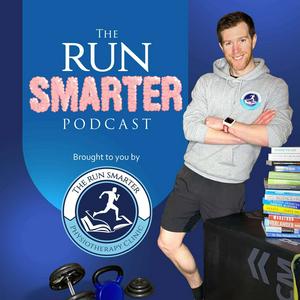
Expand your running knowledge, identify running misconceptions and become a faster, healthier, SMARTER runner. Let Brodie Sharpe become your new running guide as he teaches you powerful injury insights from his many years as a physiotherapist while also interviewing the best running gurus in the world. This is ideal for injured runners & runners looking for injury prevention and elevated performance. So, take full advantage by starting at season 1 where Brodie teaches you THE TOP PRINCIPLES TO OVERCOME ANY RUNNING INJURY and let’s begin your run smarter journey.
Podcast websiteListen to The Run Smarter Podcast, Huberman Lab and many other podcasts from around the world with the radio.net app
Get the free radio.net app
- Stations and podcasts to bookmark
- Stream via Wi-Fi or Bluetooth
- Supports Carplay & Android Auto
- Many other app features
Get the free radio.net app
- Stations and podcasts to bookmark
- Stream via Wi-Fi or Bluetooth
- Supports Carplay & Android Auto
- Many other app features

The Run Smarter Podcast
Scan code,
download the app,
start listening.
download the app,
start listening.
The Run Smarter Podcast: Podcasts in Family
 New Zealand
