

Listen to this podcast in the app for free: Download for free in the App Store
radio.net
Sleep timer
Save favourites
128 episodes
When Mania Becomes Psychosis
14/10/2026 | 1hThe whole world has been talking about psychosis with the Lindsay Clancy case. The experience is so misrepresented and misunderstood in mainstream media. In this episode of This Is Bipolar, Shaley Hoogendoorn talks with returning guest Charise Jewell about psychosis and bipolar disorder from someone who actually experienced the condition more than once. Charise shares how psychosis appeared during mania, including hallucinations, delusions, hospitalization, and the challenges of recovery. Together, they address common misconceptions, the importance of compassionate support, and why psychosis does not define a person.
Timestamps:
(00:10:53) Charise recognizes her own experiences in the symptom list
(00:19:37) The broth story and how mania can affect judgment
(00:28:06) Why psychosis can feel completely real
(00:33:34) What led Charise’s husband to take her to the hospital
(00:38:46) Charise’s confusion and denial during her first hospital stay
(00:44:22) The second episode and the return of manic symptoms
(00:50:53) Asking for better training and accountability in mental health care
(00:56:28) Charise’s advice for listeners who are worried about symptoms(00:10:53) Charise recognizes her own experiences in the symptom list
(00:19:37) The broth story and how mania can affect judgment
(00:28:06) Why psychosis can feel completely real
(00:33:34) What led Charise’s husband to take her to the hospital
(00:38:46) Charise’s confusion and denial during her first hospital stay
(00:44:22) The second episode and the return of manic symptoms
(00:50:53) Asking for better training and accountability in mental health care
(00:56:28) Charise’s advice for listeners who are worried about symptoms
Shaley Hoogendoorn is a passionate mental health advocate, speaker, writer, and teacher who is dedicated to breaking the stigma surrounding mental illness. As the co-founder and host of the this is bipolar podcast, Shaley uses her lived experience with Bipolar 2 disorder to foster an authentic, supportive community and spark raw, honest conversations about navigating the complexities of the condition. Her advocacy work extends across multiple platforms, including contributions to Psych Central and BP Hope magazine, where she continuously aims to bring lived-experience expertise to the forefront of mental health education.
@this.is.bipolar
https://www.instagram.com/this.is.bipolar/
Tap Subscribe on Instagram to become part of the community.
Charise Jewell is a Canadian author, speaker, and mental health advocate who spent 15 years working as a robotics engineer before pivoting to writing. After experiencing a sudden onset of mania at age 40, she was diagnosed with Bipolar 1 disorder—a life-altering turning point that inspired her powerful debut memoir, Crazy: Memoir of a Mom Gone Mad. Today, Charise uses her distinct perspective as a scientist and storyteller to humanize severe mental illness, serving on hospital advisory councils and speaking across corporate and educational spaces to fight for the fair, empathetic, and dignified treatment of the mentally ill.
You can buy Charise's books here:
Normal
Regrets Ever After
Crazy: Memoir Of A Mom Gone MadThe Bipolar Work Struggle | Shaley & Dr. Andrea Vassilev
18/09/2026 | 47 mins.In this episode, Shaley Hoogendoorn and Dr. Andrea Vassilev discuss the impact of bipolar disorder on work life, sharing personal experiences, statistics, and practical strategies for managing employment challenges. They aim to provide support and insights for those living with bipolar and navigating the workplace.
Chapters
(00:08:16) Managing Symptoms and Work Challenges
(00:12:18) Symptoms That Can Affect Work Performance
(00:15:18) Reliability, Predictability, and Bipolar
(00:23:20) How Hypomania and Depression Affect Work
(00:27:36) Managing Work During Mood Episodes
(00:30:16) Should You Disclose Bipolar at Work?
(00:38:17) Workplace Accommodations and Strategies
(00:54:09) The Strengths and Gifts of Living With Bipolar
About Shaley Hoogendoorn
Shaley Hoogendoorn is the host and creator of This Is Bipolar, a podcast about navigating life with bipolar disorder. Shaley is a mental health advocate, speaker, content creator, mother, writer, and teacher who lives with bipolar II disorder.
Through This Is Bipolar, Shaley shares her own experiences and creates space for honest conversations about bipolar disorder, mental health, stigma, relationships, parenting, work, and recovery.
Her mission is to challenge stigma, reduce shame and self-stigma, create connection, and remind people living with bipolar disorder that they are not alone.
🎙️ Visit This Is Bipolar:
https://www.thisisbipolar.com/
📱 Follow Shaley on Instagram:
@this.is.bipolar
https://www.instagram.com/this.is.bipolar/
Join the This Is Bipolar Community 💛
Want more connection and support between episodes?
Become an Instagram subscriber to This Is Bipolar and join our private peer-support community. Subscribers can take part in a monthly Zoom gathering and connect through a private community chat with others who understand what it's like to live with bipolar disorder.
It's a space to share experiences, ask questions, offer support, and build connection in a welcoming community.
📱 Join us on Instagram:
@this.is.bipolar
https://www.instagram.com/this.is.bipolar/
Tap Subscribe on Instagram to become part of the community.
About Dr. Andrea Vassilev
Dr. Andrea Vassilev, PsyD, is a clinician, academic, writer, speaker, and mental health advocate who has lived with bipolar disorder for nearly 30 years. She specializes in treating bipolar disorder and is passionate about reducing stigma and helping people living with bipolar build meaningful, authentic lives.
Andrea is the creator of Overcoming Self-Stigma in Bipolar Disorder (OSSiBD), an original program designed specifically to address self-stigma in bipolar disorder. Her work brings together clinical knowledge and lived experience, and her advocacy focuses on integrating lived experience into bipolar research, treatment, and education.
Her workbook, Beyond the Bipolar Label: A Workbook to Overcome Self-Stigma, Break Free from Shame, and Live Authentically, provides practical tools to help people challenge shame and negative beliefs, build self-compassion, reclaim their identity, and move beyond the limitations of the bipolar label.
🌐 Andrea's Website:
https://www.andreavassilev.com/
📱 Follow Andrea on Instagram:
@best.life.bipolar
https://www.instagram.com/best.life.bipolar/
📖 Beyond the Bipolar Label:
https://www.newharbinger.com/9781648486685/beyond-the-bipolar-label/The Divorce I Never Saw Coming: Trauma, Grief & Bipolar Disorder
01/09/2026 | 1h 2 mins.In this deeply personal episode of This Is Bipolar, Dr. Andrea Vassilev sits down with Shaley Hoogendoorn for an honest conversation about one of the most difficult and unexpected years of Shaley's life.
Shaley opens up about the sudden end of her marriage, how she discovered that her life was about to change, and what it has been like to navigate the shock, grief, and trauma of a divorce she never saw coming. Andrea helps Shaley look back on the past year—not just at what happened, but at what happened inside of her as she tried to process an enormous loss while also living with bipolar disorder.
Together, they talk about the impact that trauma, grief, uncertainty, and attachment injury can have on mental health and mood stability. Shaley shares candidly about how this experience affected her bipolar disorder, the fear of becoming unwell during a crisis, and the work it has taken to recognize what is trauma, what is grief, and what may be connected to bipolar symptoms.
The conversation also explores self-stigma and the complicated feelings that can surface when someone with bipolar disorder is struggling. Instead of simply being allowed to grieve, there can be an added layer of questioning: Is this a normal response to what I've been through? Is this my bipolar disorder? Am I becoming unwell? Can I trust myself?
Shaley and Andrea discuss the things that have helped Shaley move through the past year, including therapy, medication, community, peer support, self-care, honesty, and learning to trust herself again. They also talk about healing when there is no neat ending—when you're still living in the "messy middle" and taking life one small step at a time.
This isn't a story told from the other side with everything wrapped up in a bow. It's a conversation about what it looks like to keep going while you're still grieving, rebuilding, parenting, managing bipolar disorder, and figuring out what your life looks like now.
It's an honest update on where Shaley has been, where she is today, and the hope she is slowly finding as she begins to imagine what might come next.
(00:08:25) The phone search that revealed “divorce lawyer”
(00:11:09) The first weeks of shock, panic, and physical overwhelm
(00:16:24) Trauma, fragmentation, and why the story feels hard to tell
(00:19:04) Losing the identity of wife, stay-at-home mom, and financial safety
(00:22:52) Ambiguous grief and the death of a life that could have been
(00:25:06) How the crisis affected bipolar symptoms
(00:28:44) Suicidal ideation and getting through the worst moments safely
(00:31:02) Self-stigma, feeling unlovable, and challenging that belief
(00:37:28) Protecting sleep, medication changes, and weekly therapy
(00:46:16) Glimmers, future hopes, and learning to trust myself again
with Shaley Hoogendoorn for an honest conversation about one of the most difficult and unexpected years of Shaley's life.
Shaley opens up about the sudden end of her marriage, how she discovered that her life was about to change, and what it has been like to navigate the shock, grief, and trauma of a divorce she never saw coming. Andrea helps Shaley look back on the past year—not just at what happened, but at what happened inside of her as she tried to process an enormous loss while also living with bipolar disorder.
Together, they talk about the impact that trauma, grief, uncertainty, and attachment injury can have on mental health and mood stability. Shaley shares candidly about how this experience affected her bipolar disorder, the fear of becoming unwell during a crisis, and the work it has taken to recognize what is trauma, what is grief, and what may be connected to bipolar symptoms.
The conversation also explores self-stigma and the complicated feelings that can surface when someone with bipolar disorder is struggling. Instead of simply being allowed to grieve, there can be an added layer of questioning: Is this a normal response to what I've been through? Is this my bipolar disorder? Am I becoming unwell? Can I trust myself?
Shaley and Andrea discuss the things that have helped Shaley move through the past year, including therapy, medication, community, peer support, self-care, honesty, and learning to trust herself again. They also talk about healing when there is no neat ending—when you're still living in the "messy middle" and taking life one small step at a time.
This isn't a story told from the other side with everything wrapped up in a bow. It's a conversation about what it looks like to keep going while you're still grieving, rebuilding, parenting, managing bipolar disorder, and figuring out what your life looks like now.
It's an honest update on where Shaley has been, where she is today, and the hope she is slowly finding as she begins to imagine what might come next.
(00:08:25) The phone search that revealed “divorce lawyer”
(00:11:09) The first weeks of shock, panic, and physical overwhelm
(00:16:24) Trauma, fragmentation, and why the story feels hard to tell
(00:19:04) Losing the identity of wife, stay-at-home mom, and financial safety
(00:22:52) Ambiguous grief and the death of a life that could have been
(00:25:06) How the crisis affected bipolar symptoms
(00:28:44) Suicidal ideation and getting through the worst moments safely
(00:31:02) Self-stigma, feeling unlovable, and challenging that belief
(00:37:28) Protecting sleep, medication changes, and weekly therapy
(00:46:16) Glimmers, future hopes, and learning to trust myself again
Join the This Is Bipolar Community
Looking for a place to connect with others who truly understand life with bipolar disorder? Join the This Is Bipolar subscriber community on Instagram for our private Bipolar Besties group chat, monthly peer-support Zoom gatherings, and exclusive Going Deeper podcast content.
Follow @this.is.bipolar and tap Subscribe to join:
@this.is.bipolar on Instagram
📚 This Is Bipolar Book Club
Come read with us! Our FIRST BOOK is BEYOND the Bipolar Label: A Workbook to Overcome Self-Stigma, Break Free from Shame and Live Authentically by Dr. Andrea Vassilev.
The This Is Bipolar Book Club is a space to read, connect, and have meaningful conversations around books that explore mental health, bipolar disorder, healing, and the experiences that shape us. Whether you read every page or simply want to join the conversation, we'd love to have you.
Sign up here for 'this is bipolar' BOOK CLUB
Group online video sessions (8 total)
Twice-monthly meetings for 4 months
In-depth coverage of all 8 chapters of Beyond the Bipolar Label workbook
Guided workbook discussions
Honest conversations about self-stigma
Connect with others living with bipolar disorder
*Bonus session with author Dr. Andrea Vassilev
DATES & TIMES:
SESSION 1:
Sun September 20
SESSION 2 + 3
Sun October 4 &18
SESSIONS 4 + 5
Sun November 1 & 15
SESSIONS 6 + 7
Sun December 6 & 20
SESSION 8
Sun January 3
ALL SESSIONS @ 12 PM PACIFIC STANDARD TIME
About Shaley:
Shaley Hoogendoorn is the creator and host of This Is Bipolar, a podcast dedicated to sharing honest, unfiltered conversations about what it is really like to live with bipolar disorder. Through storytelling, education, and conversations with others who live with bipolar disorder, mental health professionals, and advocates, Shaley works to challenge stigma and help people feel less alone in their experiences.
Diagnosed with Bipolar II Disorder at 32, Shaley brings her own lived experience to every conversation. She openly shares the realities of navigating depression, hypomania, relationships, motherhood, grief, major life changes, and the ongoing work of caring for her mental health.
This Is Bipolar has grown into a global community, with the podcast reaching more than 330,000 downloads and Shaley connecting with tens of thousands of people through social media. Her work is rooted in the belief that there is power in hearing someone say, “Me too.”
Shaley is also an elementary school teacher, mother, speaker, content creator, and mental health advocate. Whether behind the microphone or connecting with her community online, she uses vulnerability and storytelling to create conversations that reduce shame, increase understanding, and remind people living with bipolar disorder that they are not alone.Living with Bipolar as a Man: Lee Formella on Acceptance, Anger & Breaking the Stigma
03/08/2026 | 59 mins.Living with bipolar disorder can look different for everyone, but one thing many people share is the pressure to pretend they're okay when they're struggling.
In this honest conversation, Shaley Hoogendoorn sits down with returning guest Lee Formella to talk about what it's has been like living with bipolar disorder as a man. Together they discuss late diagnosis, learning acceptance, managing anger, masking symptoms at work, addiction, and why men often struggle to ask for help.
Lee shares how years of therapy, medication, and self-awareness have changed his life—not by eliminating bipolar disorder, but by helping him build a life that's more manageable and meaningful.
Whether you live with bipolar disorder, support someone who does, or simply want to better understand mental illness, this conversation offers hope, validation, and practical insight.
In This Episode
Accepting that bipolar disorder is lifelong
Why comparing yourself to "normal" only creates more shame
The unique stigma men face around mental health
Anger, depression, and how bipolar can look different than expected
Addiction, alcohol, and unhealthy coping strategies
Learning to recognize symptoms before they escalate
Why masking your struggles is exhausting
How therapy and support can change your relationships
Finding hope while living with a chronic mental illness
Timestamps
(00:06:12) Lee shares what life has looked like since his bipolar diagnosis and why acceptance changed everything.
(00:12:08) "Their baseline can't be my goal." Letting go of comparisons and learning to live with bipolar.
(00:21:45) Bipolar disorder in men: breaking stereotypes and why so many struggle in silence.
(00:30:58) How anger feels different during depression versus hypomania.
(00:37:41) Alcohol, gambling, addiction, and searching for relief from overwhelming symptoms.
(00:45:18) Why pretending you're okay all day is one of the most exhausting parts of living with bipolar.
About Shaley Hoogendoorn
Shaley Hoogendoorn is the host of This Is Bipolar, a mom, teacher, speaker, and mental health advocate living with Bipolar II Disorder. Through honest conversations and lived experience, she is passionate about reducing stigma, helping people feel less alone, and creating spaces where people affected by bipolar disorder can connect, heal, and be seen.
About Lee Formella
Lee Formella is a mental health advocate living with bipolar disorder and CPTSD. Through his honest storytelling and advocacy, he helps others understand the realities of living with serious mental illness while encouraging hope, self-acceptance, and recovery. Connect with Lee on Instagram at @benefitsofbipolar.
Connect with Shaley
🌐 www.thisisbipolar.com
📸 Instagram: @this.is.bipolarBipolar & Travel: Chaos, Coping, and Carry-Ons | BEST OF 2025
16/07/2026 | 45 mins.Join hosts Shaley Hoogendoorn and Dr. Andrea Vassilev as they delve into the complexities of traveling with Bipolar Disorder in this enlightening episode of 'this is bipolar'. Together, they explore how changing time zones and disrupted routines can impact mental health, offering practical tips to manage these challenges. They share personal stories and expert insights on maintaining balance and stability while traveling, ensuring that your adventure is both memorable and manageable.
Discover strategies for regulating your body's internal clock, managing overstimulation, and finding downtime for self-care even amidst the excitement of travel. Shaley and Andrea underscore the importance of self-awareness, planning, and kindness towards oneself, creating a roadmap for travellers with Bipolar Disorder to feel empowered rather than overwhelmed.
Tune in for an open, supportive conversation that empowers listeners to embrace travel with confidence and self-compassion.
Resources Mentioned:
Be sure to sign up for my newsletter at thisisbipolar.com (https://www.thisisbipolar.com/) to get a free "Bipolar Travel Toolkit" PDF to help you prepare ahead and manage bipolar disorder while traveling.
Jet Lag Rooster (http://www.jetlagrooster.com/)
Chris Aiken Jet Lag Document (https://chrisaikenmd.com/wp-content/uploads/2025/07/jetlag.pdf)
Chapter Markers:
(00:04:15) Challenges of Travel
(00:06:26) The Impact of Social Rhythms
(00:09:27) Substance Use on Vacation
(00:10:36) Personal Travel Stories
(00:15:25) Comfort Items and Coping
(00:20:17) Managing Physical Wellbeing
(00:24:49) Navigating Support at Airports
(00:40:40) Encouragement and Empowerment
Connect with us:
IG @this.is.bipolar (https://www.instagram.com/this.is.bipolar/)
Youtube: this is bipolar channel (https://www.youtube.com/@thisisbipolar)
TT @this.is.bipolar
Thank you from the bottom of my heart for listening. If this episode or podcast means something to you, I would be forever grateful if you would follow/subscribe the ‘this is bipolar’ podcast wherever you listen to your podcasts so you stay up to date. It would also mean the world to me if you gave a 5 ⭐️ star review- this helps the podcast reach those who need to hear it most.
Much love, Shaley xo
More about your Host:
Shaley Hoogendoorn is a speaker, content creator and currently hosts the popular “this is bipolar” vlog and podcast. She lives with bipolar 2 disorder and shares her story and the stories of others to dismantle the stigma around mental illness.
Shaley is passionate about educating and empowering others about bipolar disorder. She has contributed to publications for Sanctuary Ministries, Psych Central and BP Hope magazine. She hosted a series interviewing women living with mental illnesses at SheLoves Magazine in a series named "Sisters in Mental Illness."
Shaley’s greatest hope is that creating safe spaces to connect will give hope and comfort those that struggle.
Meet our Guest Co-Host:
Dr. Andrea Vassilev holds a doctorate in psychology, is a therapist in California, and has lived with bipolar disorder for over 25 years. Andrea is the creator of the program Overcoming Self-Stigma in Bipolar Disorder and serves on the Board of Directors of the International Society for Bipolar Disorders. As a clinician and academic with lived experience, Andrea brings a special perspective to both her professional and advocacy work. Andrea hopes that by telling her own story of life with bipolar disorder through the lenses of clinical causes, treatments, and outcomes that she can provide education, hope, and comfort to others.
UPDATE- Andrea's Book is now available get you book or audiobook
BEYOND THE BIPOLAR LABEL: A Workbook to Over come Stelf-stigma, Break Free from Shame and Live Authetically
Beyond the Bipolar Label amazon US link
You can connect with her on Instagram @best.life.bipolar or at www.andreavassilev.com
More Health & Wellness podcasts









Trending Health & Wellness podcasts














About this is bipolar
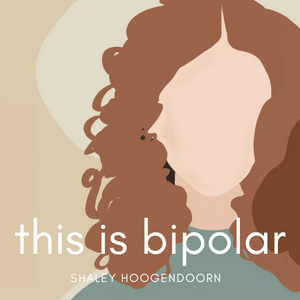
Unfiltered & authentic - a real-life glimpse of bipolar disorder. Join mental health advocate, Shaley Hoogendoorn as she passionately share her bipolar journey and holds space for the stories others. It is her greatest hope that these raw and real stories will give insight, shatter stigma, and offer hope. This is bipolar...
Podcast websiteListen to this is bipolar, Sex.Life and many other podcasts from around the world with the radio.net app
Get the free radio.net app
- Stations and podcasts to bookmark
- Stream via Wi-Fi or Bluetooth
- Supports Carplay & Android Auto
- Many other app features
Get the free radio.net app
- Stations and podcasts to bookmark
- Stream via Wi-Fi or Bluetooth
- Supports Carplay & Android Auto
- Many other app features

this is bipolar
Scan code,
download the app,
start listening.
download the app,
start listening.
 New Zealand